Unwanted and unloved – but here are 10 reasons to watch the Commonwealth Games
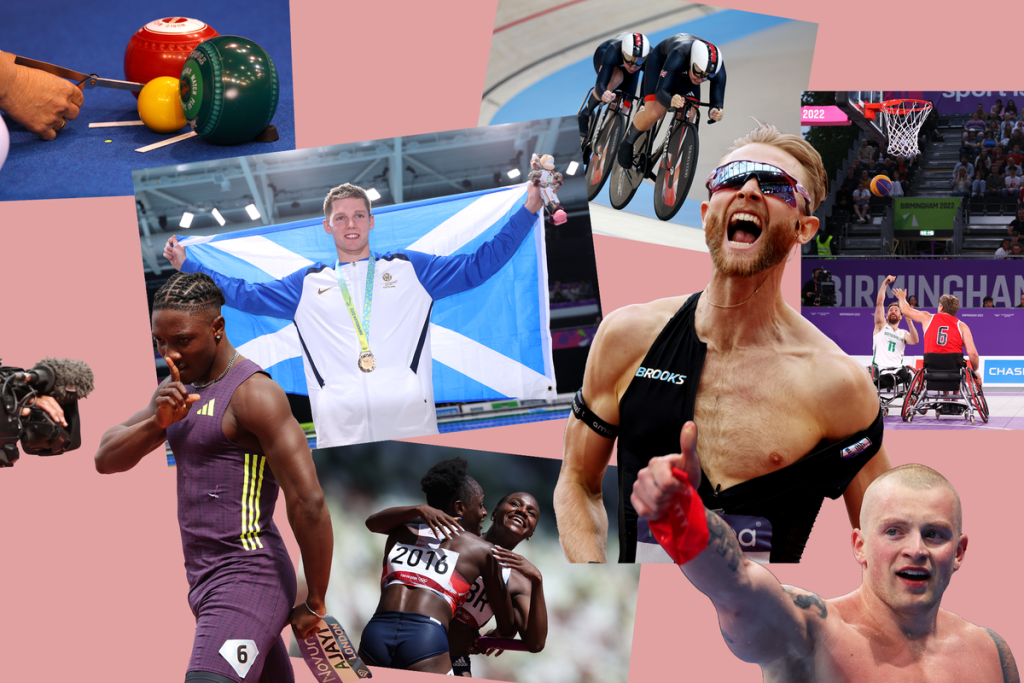
The Commonwealth Games might be the only sporting event for which the most-Googled terms are asking what they are and why they exist. One of the top stories on BBC Sport at the time of writing was simply headlined: “What are the Commonwealth Games?”
It’s a good question. They are an anachronistic idea, vaguely defined, thinly justified, a relic of our imperial past, like a mildly offensive heirloom quadrennially hauled down from the attic, modern sport’s unwelcome inheritance from another age.
So yes, the so-called Friendly Games are clearly a little unloved, given the battle to find a willing host. They were tossed aside by Melbourne before a stripped-back version was salvaged by Glasgow, a rescue Games.
They are not fully respected, given not all the stars will show up over the next 10 days. Keely Hodgkinson is prioritising other events. Canadian sensation Summer McIntosh is focused on the Pan Pacific Swimming Championships, preferring to compete against serious American rivals rather than a bunch of island nations.
The Games might even be hard to find, given they are behind a paywall on TNT Sports in the UK, with only highlights on Channel 5.
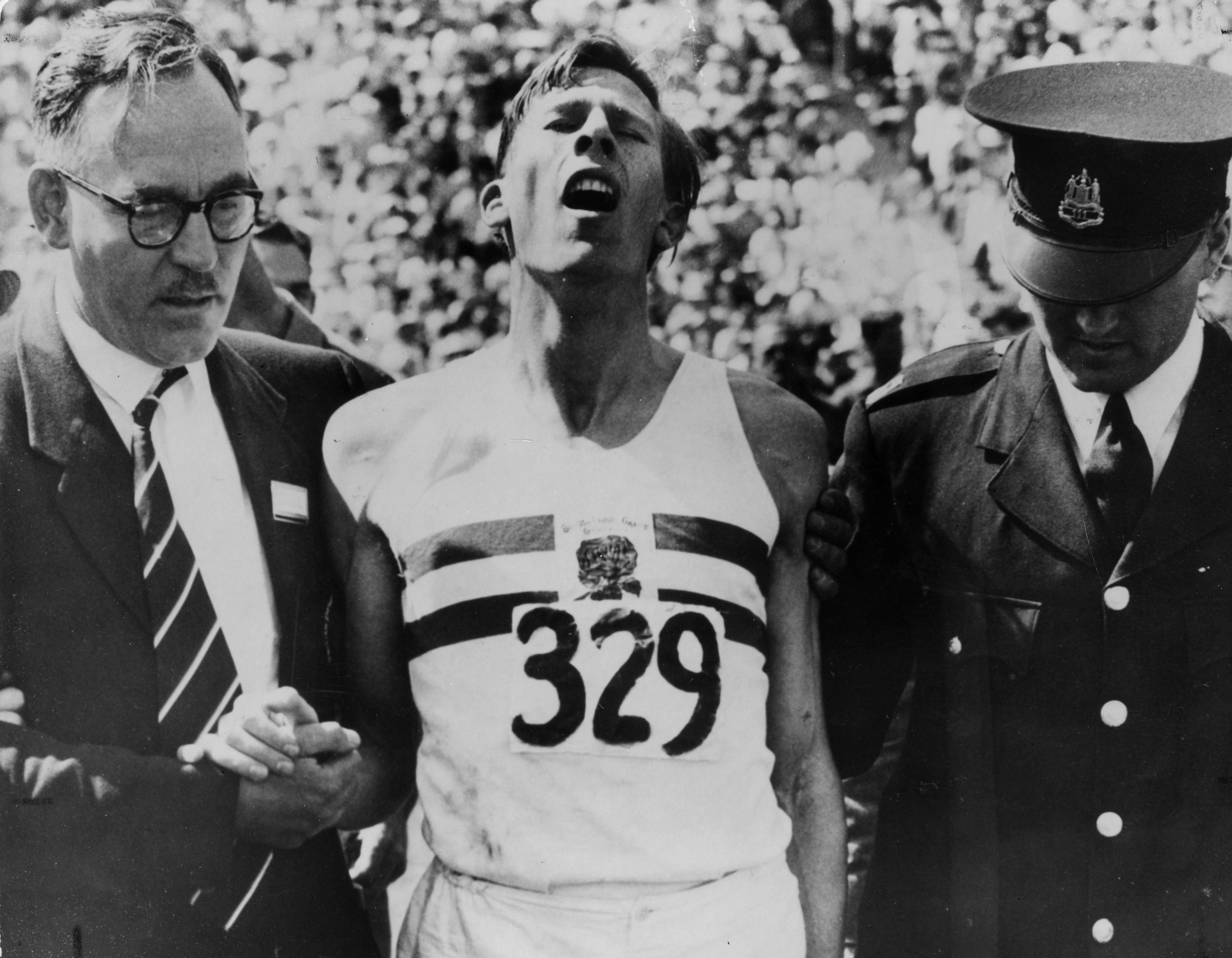
But dig under the surface and there is history here. The Games were the scene of the “Miracle Mile”, an epic contest between Roger Bannister and John Landy when both broke the four-minute barrier; they were the stage on which a 15-year-old Ian Thorpe announced himself to the world, where Adam Peaty broke new ground, where Eilish McColgan made history rhyme 30 years after her mum won the same race.
And if the weight of history doesn’t imbue the modern Commonwealth Games in quite the same way, then perhaps there is something easy and compelling about sport with relatively low stakes, sport that has little commercial pretence, naked sport that’s all the more human for it. There will be no political interference here, no dynamic pricing strategy, no advertising masquerading as essential hydration. Thanks to the Boston Tea Party, there will be no Americans either.
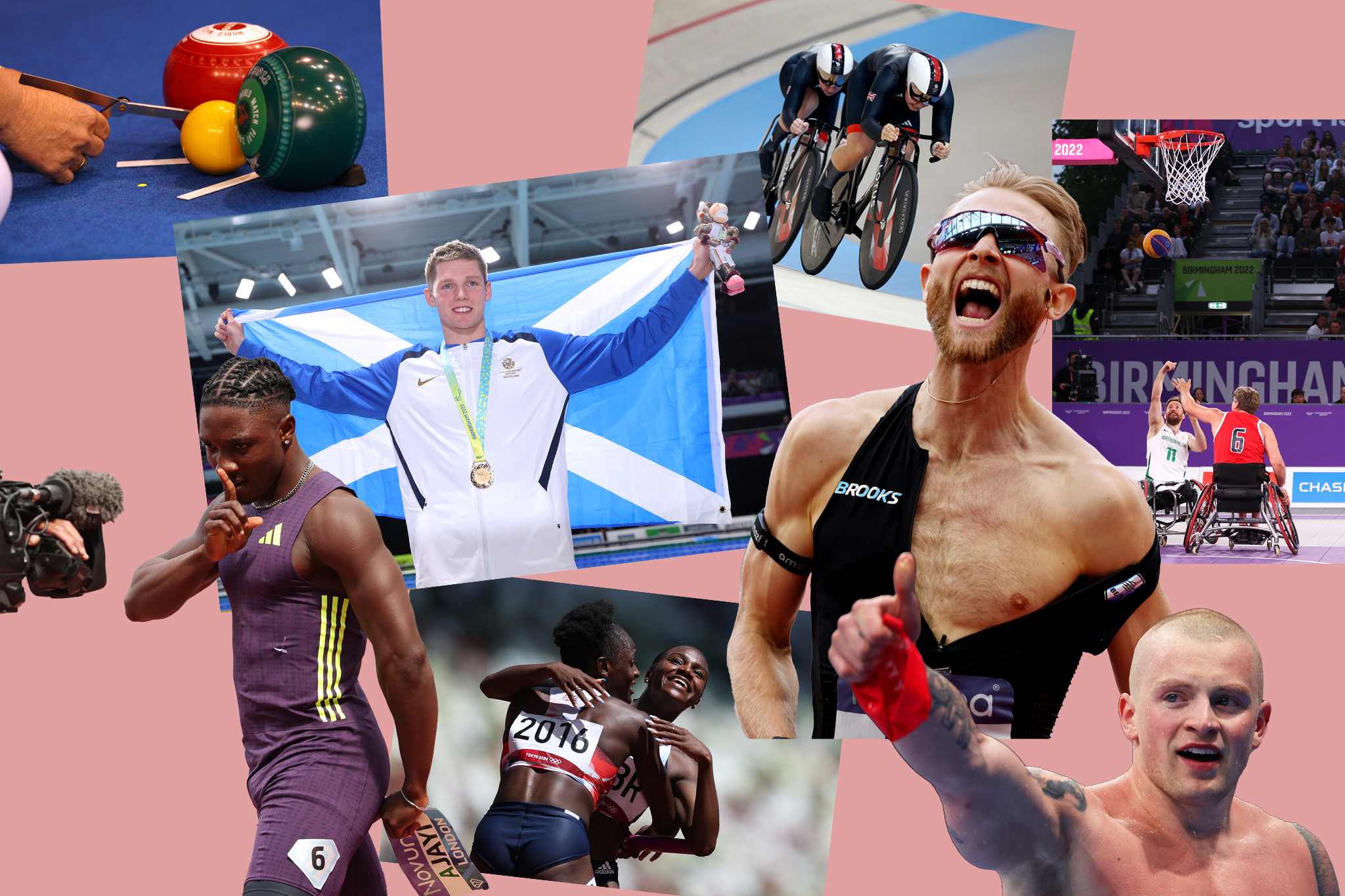
The Commonwealth Games’ days may be numbered, like county cricket or League Cup semi-final second legs, but perhaps that’s one reason to settle in and watch this jumble of sport. You don’t know what you have until it’s gone, and quite frankly, we will probably never get lawn bowls at the Olympics.
Here are 10 reasons to embrace the Games this summer.
The Commonwealth Mile
It is a event unique to the Commonwealth Games: a mile run around the track, which replaces the 1500m this year.
The Mile is back on the schedule after 60 years away, last being run at the 1966 Games in Kingston, Jamaica, before athletics went metric. It is partly a celebration of the Games’ heritage and also a nod to the famous Miracle Mile race between Bannister and Landy.
World Athletics president Seb Coe – a mile record holder in his day – pushed for the change, saying the imperial distance holds a cultural significance in many Commonwealth countries and the race itself carries a certain mystique and prestige. It is the “quintessential Commonwealth athletics event”, Coe said.
It just so happens that Scotland’s home hero Josh Kerr broke the long-standing mile record last week, and Kerr – one of the faces of these Glasgow Games – will be back in action to try and go even quicker than his stunning mark of 3min 42.66sec. He will be up against fellow Scot and former 1500m world champion Jake Wightman.
Scotland
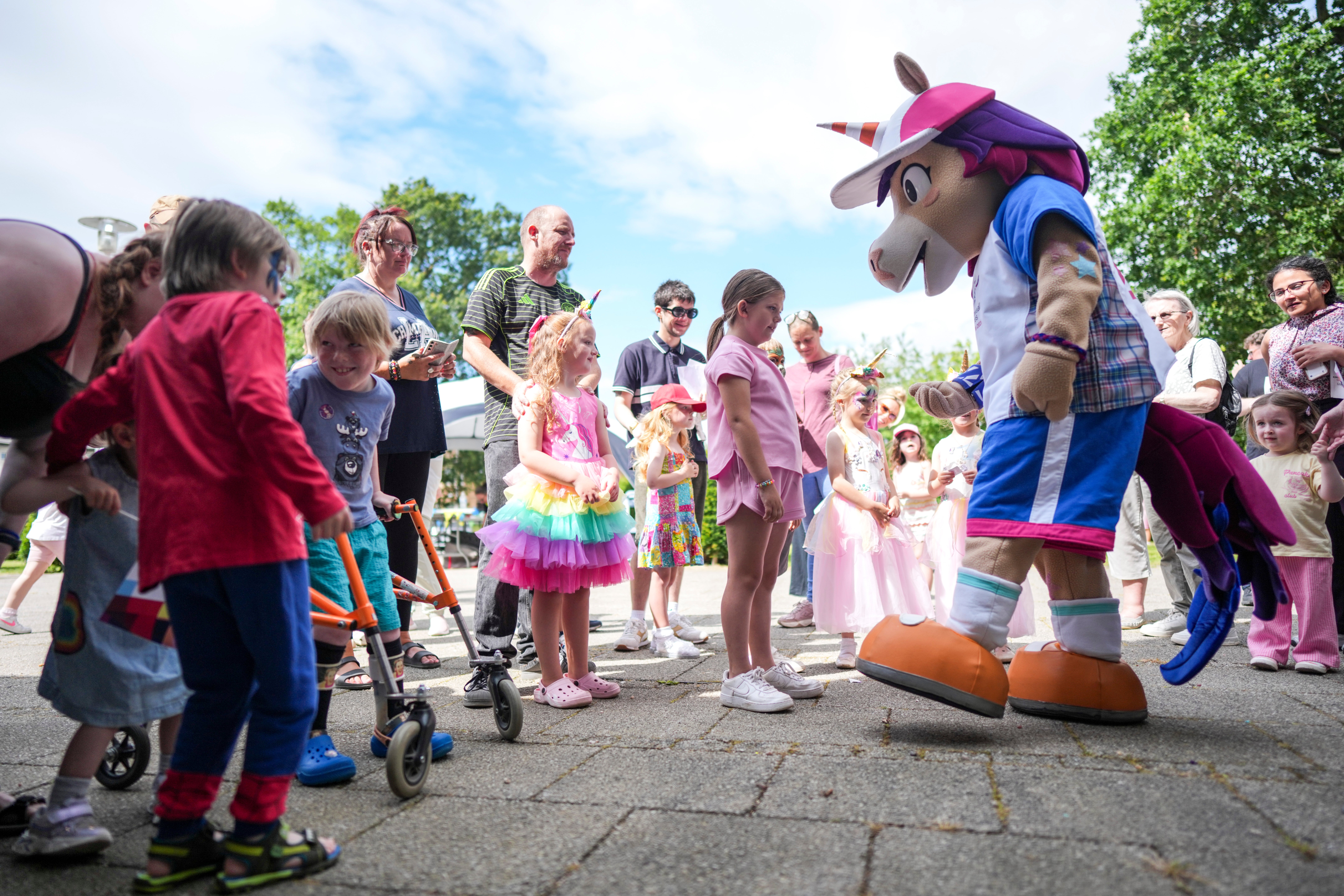
Scotland won the unofficial fans’ World Cup in North America this summer with their non-stop partying in Boston and Miami, and while the Commonwealth Games will be a quieter affair, local fans are expected to turn out in force to support their athletes and make a buzz inside the venues.
Don’t expect renditions of “Yes Sir, I Can Boogie”, but we’ll hear “Flower of Scotland” whenever a home athlete wins gold, which will be a regular occurrence: the Scots expect to finish near the top of the medal table, up there with Australia, England, Canada and India.
Incidentally, Finnie the unicorn, the Games’ mascot, has a traffic cone for a horn.
Kanyinsola Ajayi
Ajayi could be the next great sprinter in men’s athletics, and he is expected to show exactly why there is so much excitement when he goes for 100m gold in Glasgow over the coming days.
The Nigerian 21-year-old was eliminated in the 100m semi-finals at the Paris Olympics two years ago, and finished sixth in the World Championship final last September.
Ajayi has since risen to the top with two hugely impressive Diamond League victories in recent weeks, running 9.84sec in both Prefontaine and London, clinching the latter with a cheeky stare across the finish line at world champion Oblique Seville beside him. Seville will be in Glasgow to gain revenge in their brewing rivalry, but Ajayi has proven he has the speed to back up the bravado.
Gentle nationalism
If you ignore the strong smell of colonialism that lingers around these Games, then you can find a kind of warm patriotism that comes to the fore here. One of the unique parts of the Commonwealth Games is that they offer athletes the chance to represent their piece of the UK – and each offers a better national anthem than “God Save the King” (England adopted “Jerusalem” in 2010).
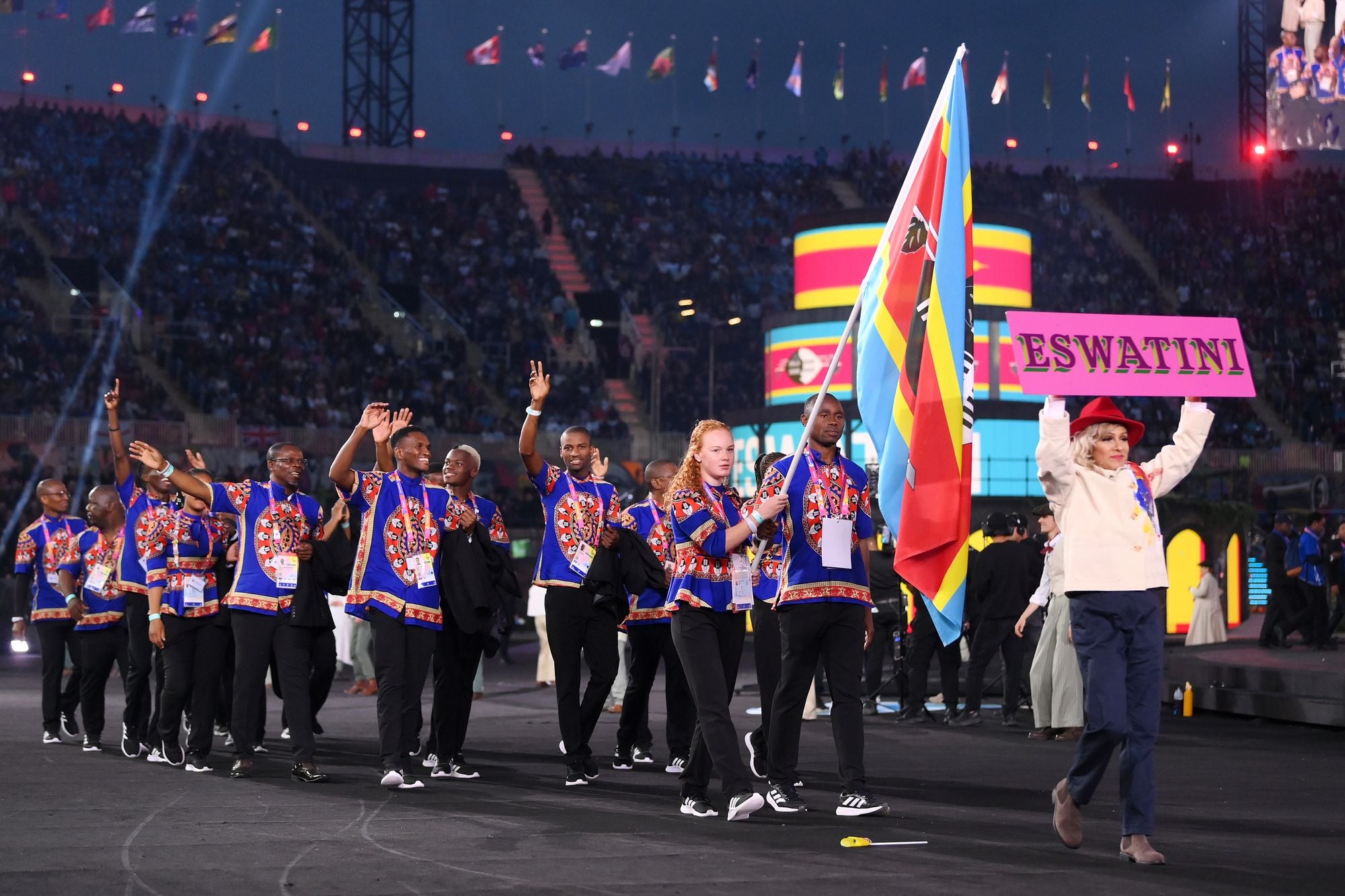
Commonwealth athletes talk of relishing the unique platform for their relatively small sporting communities to march under their own flag and punch above their weight on an international stage. The African nation of Eswatini, for example, has never won a medal at the Olympics but has enjoyed three moments of national pride at the Commonwealth Games over the years. We are still waiting for the Pacific island nation of Tokelau (population: 2,691) to send a competitor.
Bowls
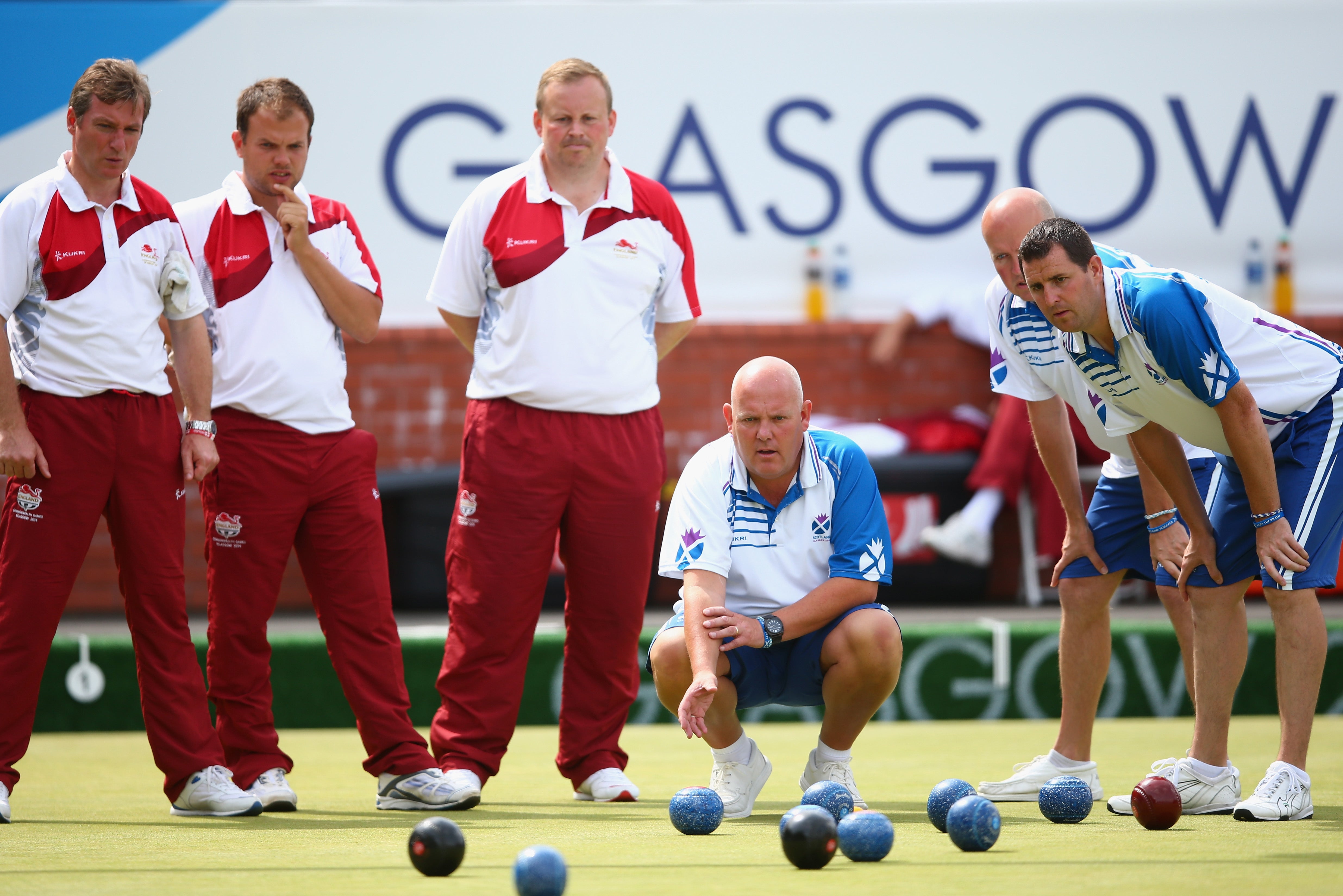
A staple of the Commonwealth Games schedule is lawn bowls, a quaint game that has a similar effect to curling during the Winter Olympics when, for a week or so every four years, the UK becomes a nation of aficionados. This year the event is being staged indoors rather than on grass for logistical reasons, so it’s just bowls.
Look out for the legendary Alex ‘Tattie’ Marshall, Scotland’s most decorated Commonwealth Games athlete, competing in his sixth here. He gained fame for an enthusiastic celebration when beating England in 2014. Marshall’s 23-year-old niece, Beth Riva, will also be in action on the bowling floor.
Duncan Scott
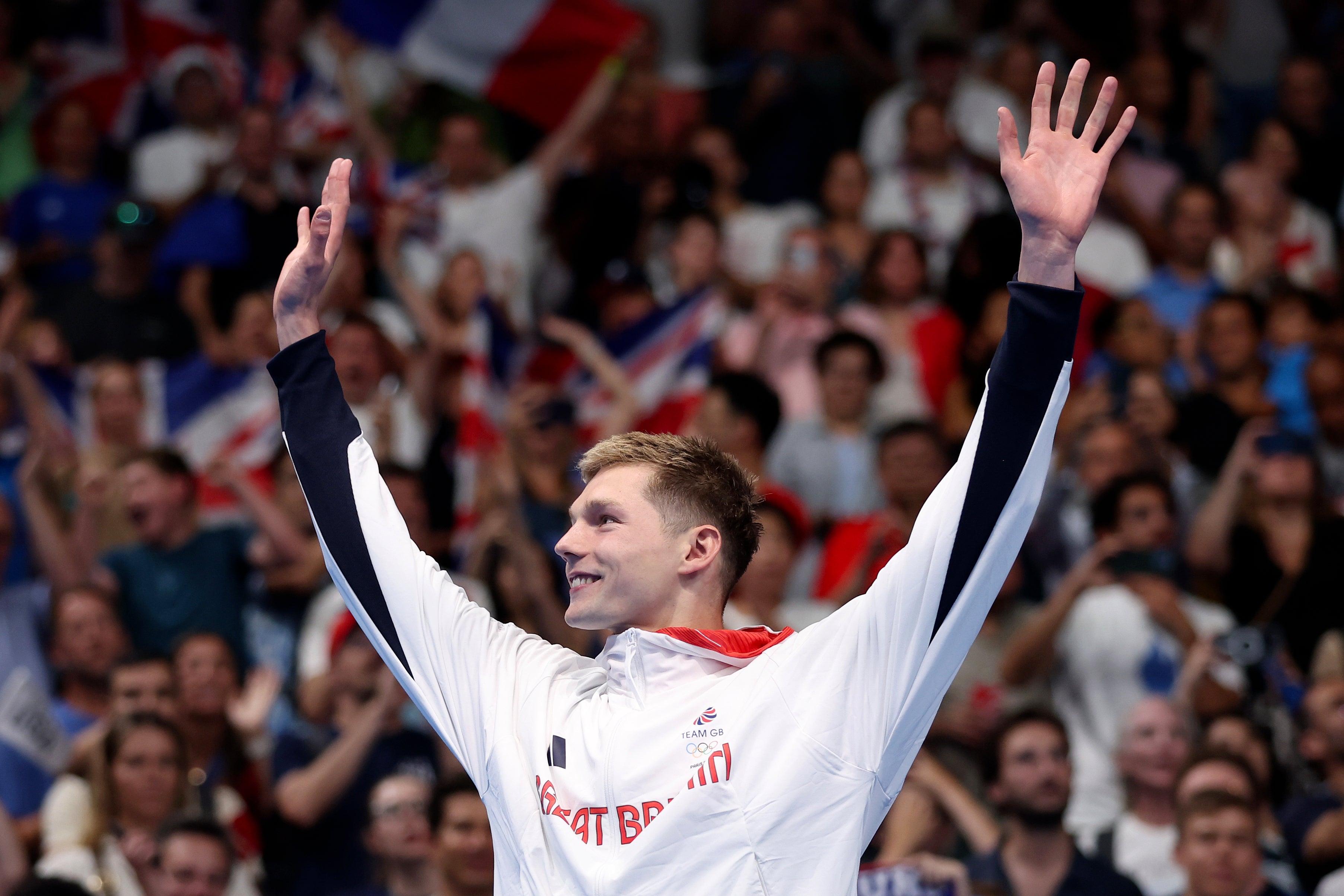
One of the faces of the Games will no doubt be Scott, a Scot, and a hugely popular swimmer who has been an Olympic, world, European and Commonwealth champion, and an essential part of Britain’s relay success over the past decade. His career has been one of passionate highs and frustrating near-misses: all four of his individual Olympic medals are silver.
Scott, who was born in Glasgow, is expected to go for glory in freestyle, medley and butterfly events, and he will get the decibels rising around the pool every time he competes.
Para-sport
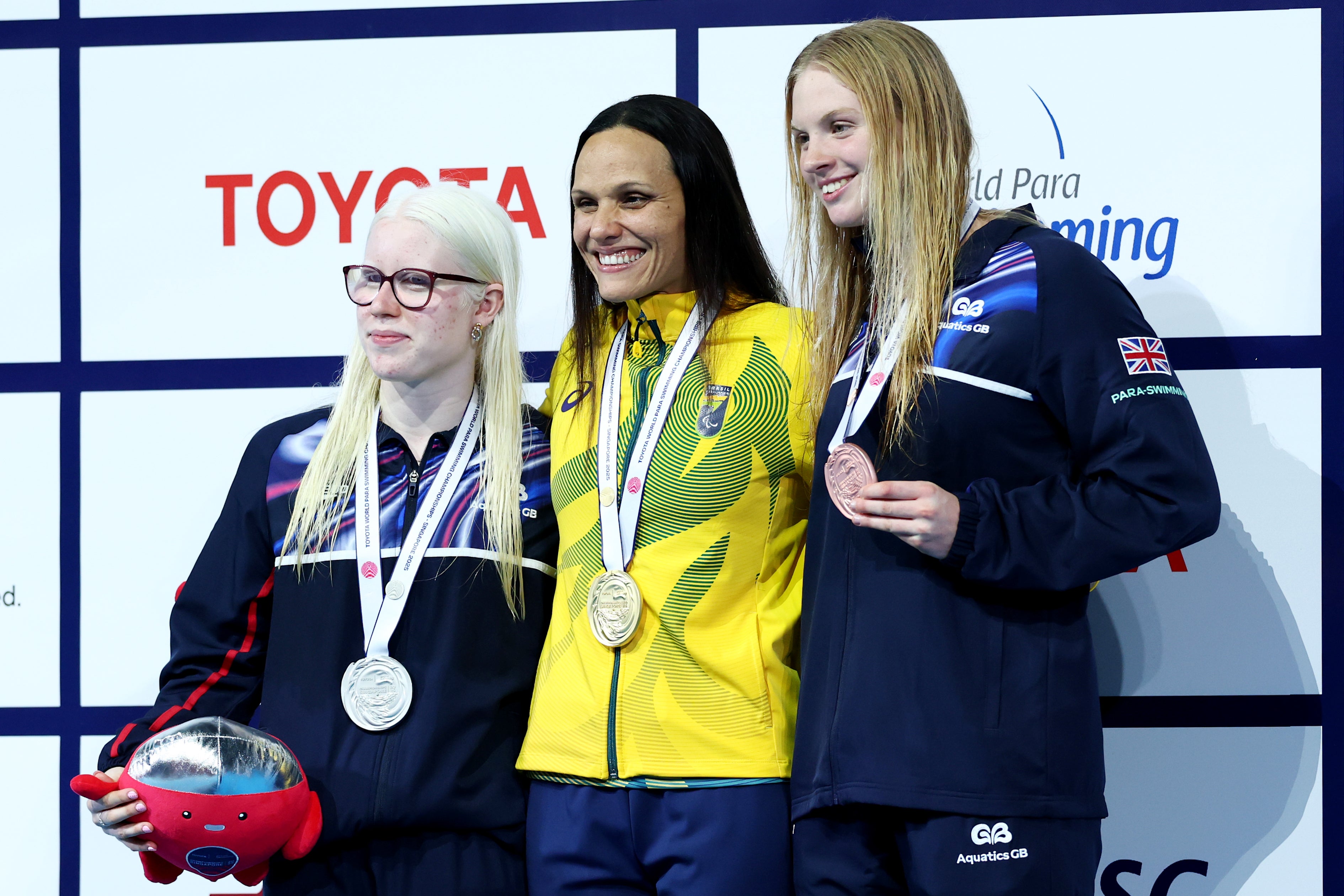
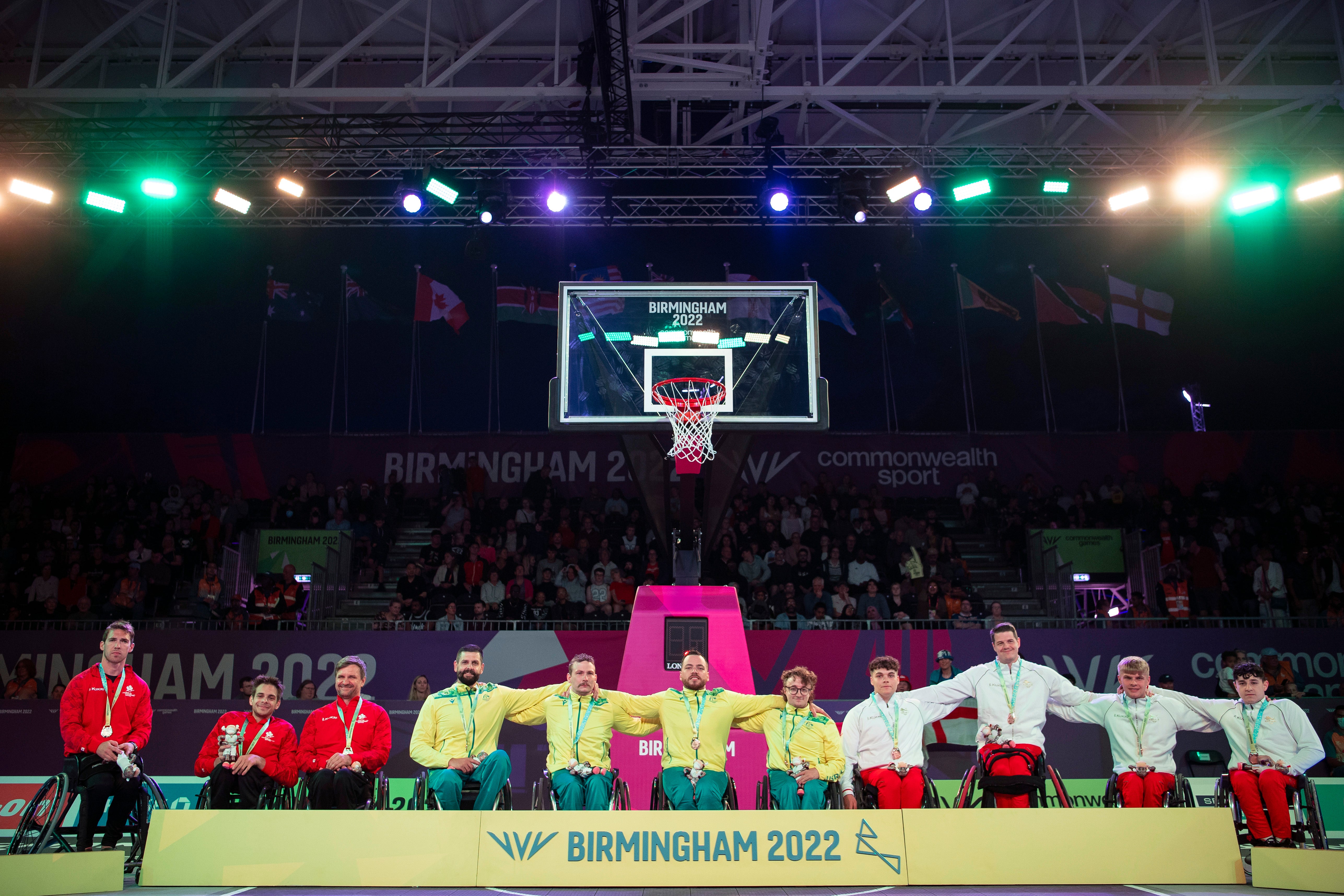
The Commonwealth Games folds its para-events in with the rest of the action, and that makes for a more inclusive event that provides a greater showcase for some of the stars on show. There will be plenty to enjoy this summer, including athletics, bowls, powerlifting, swimming, track cycling and wheelchair basketball.
The latter is always entertaining, played in the more fast-paced, loud 3v3 format rather than the five-a-side Paralympic format. England are aiming to go better than their bronze medals in the men’s and women’s events four years ago, but to do so they will have to overcome either Australia or Canada, who contested both finals – Australia won the men’s, Canada won the women’s.
A breaststroke duel
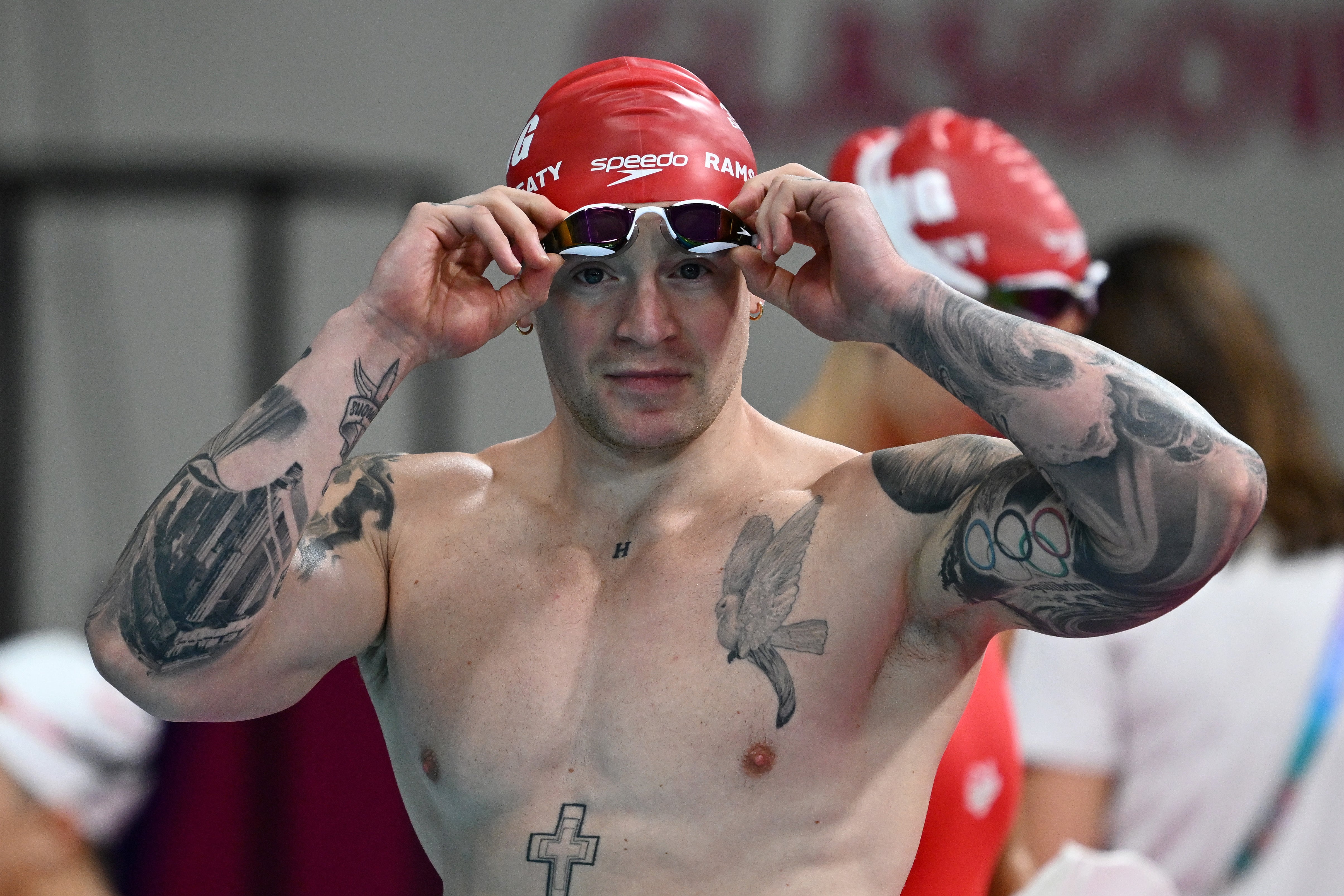
One of the big storylines in the pool will be men’s breaststroke. The greatest of all time, now Adam Ramsay-Peaty after his recent wedding with Gordon Ramsay’s daughter Holly, announced himself on the big stage at the 2014 Commonwealths in Glasgow, and the 31-year-old is back where it started as he chases his ultimate goal of reclaiming his Olympic 100m title in Los Angeles in 2028.
But Ramsay-Peaty faces competition from the teenage prodigy breaking the veteran’s youth records: Jersey’s Filip Kowacki. The 18-year-old Kowacki is one of Britain’s brightest prospects for LA in a couple of years. Here, Kowacki will try to deliver Jersey’s first Commonwealth medal since 1990 by taking down his idol.
Velodrome speed
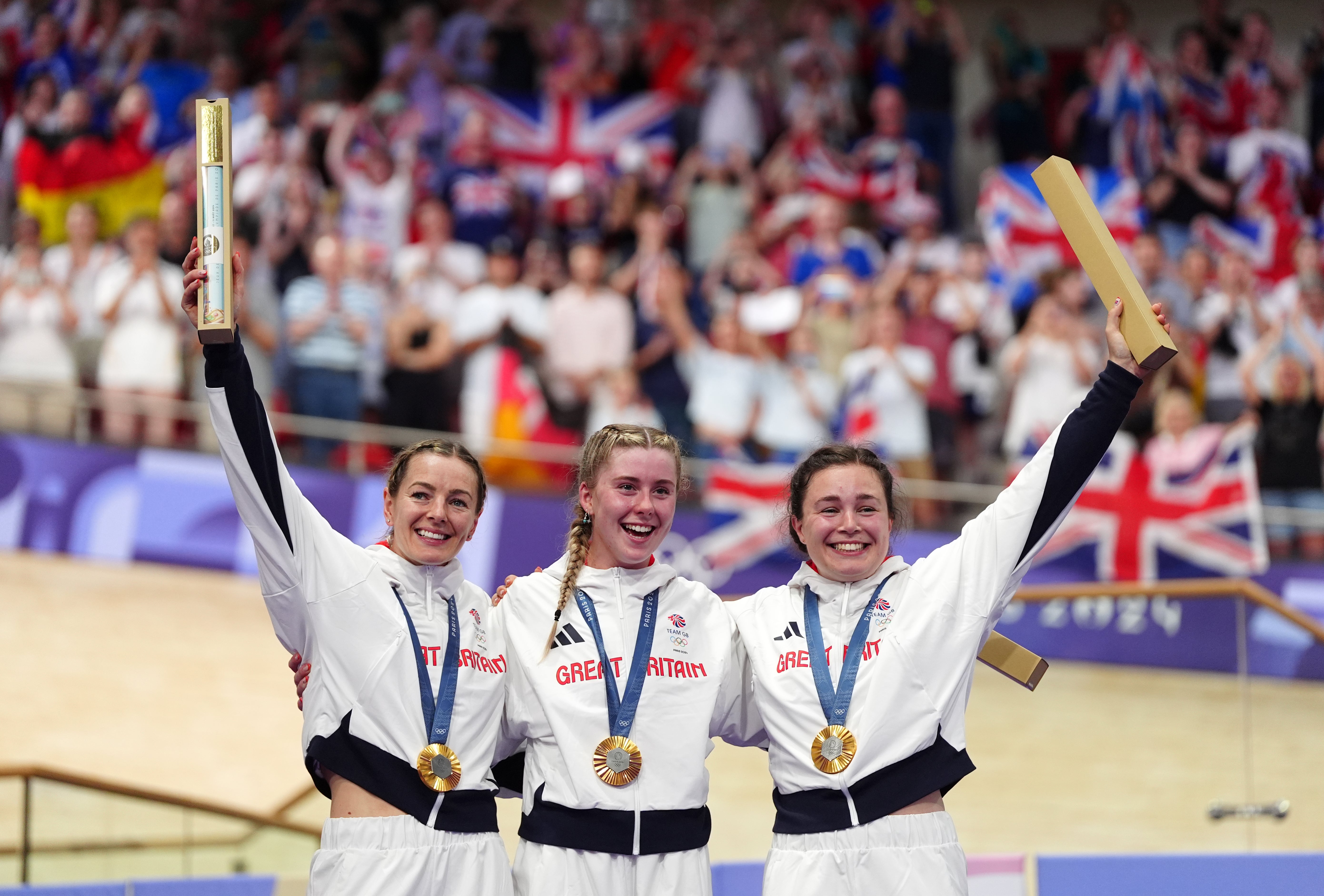
There will be a whole raft of entertainment on offer in the Sir Chris Hoy velodrome over the coming days, including the exploits of Emma Finucane, one of Wales’ great hopes at these Games after winning three medals in Paris including Olympic gold as part of GB’s sprint team. There will be interest in her partner too, Matt Richardson, who caused a stir in the cycling world when he swapped allegiance from Australia to England.
Rising stars
The Commonwealth Games always proves to be a stage for young talent to come to the fore, and this summer will be no different. Some of the stars of LA ‘28 will be gaining valuable experience in Glasgow and will show their talent at a major multi-sport event for the first time.
There is a deep pool of rising stars to watch, but look out for England’s diminutive boxer Ruby White, 19, a four-time European champion who has been tipped for a medal; and the Carroll sisters, who both have visual impairment and will be competing against one another in the para-swimming competition. Astrid, 17, will represent Scotland while Ursula, 14, will swim for England.