Polymatt’s Avcoat Recreation of Orion’s Skip-Entry Crackup Showcases a Heat Shield That Works by Failing
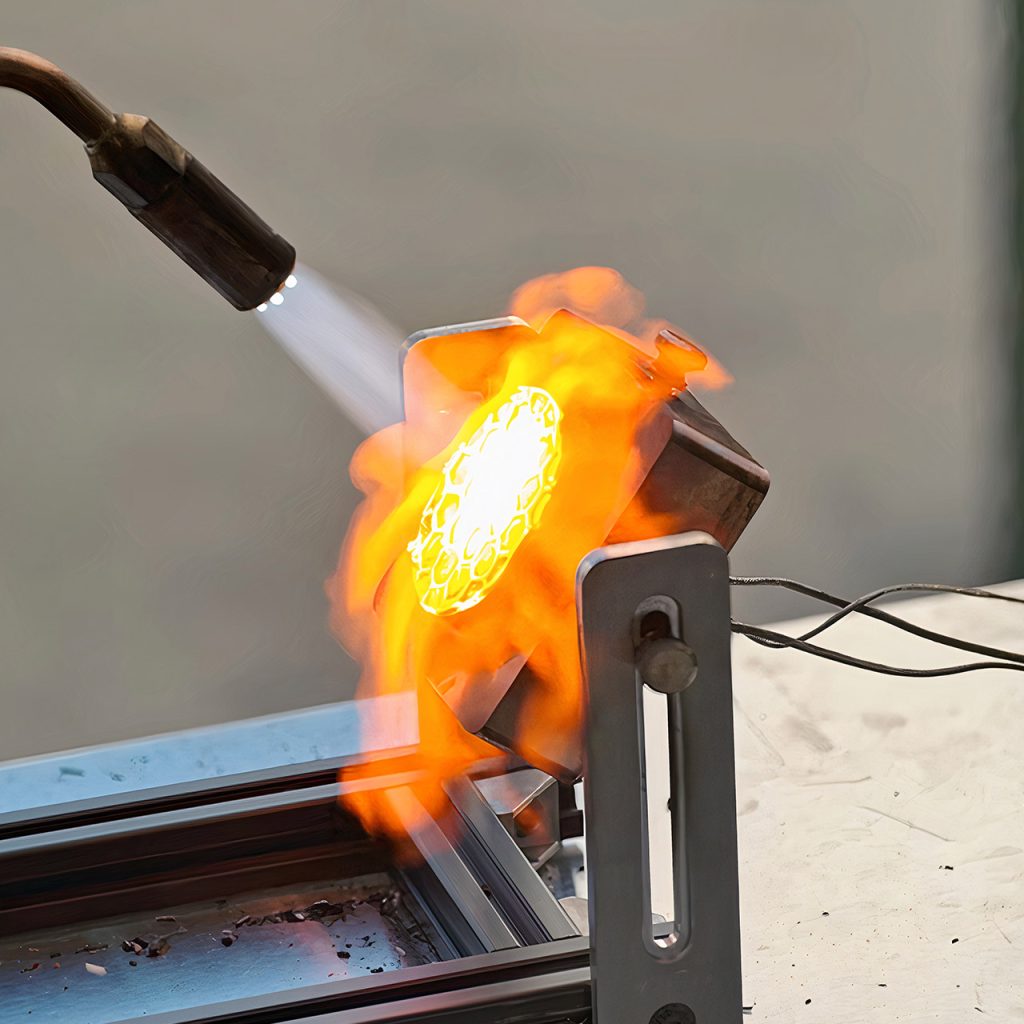
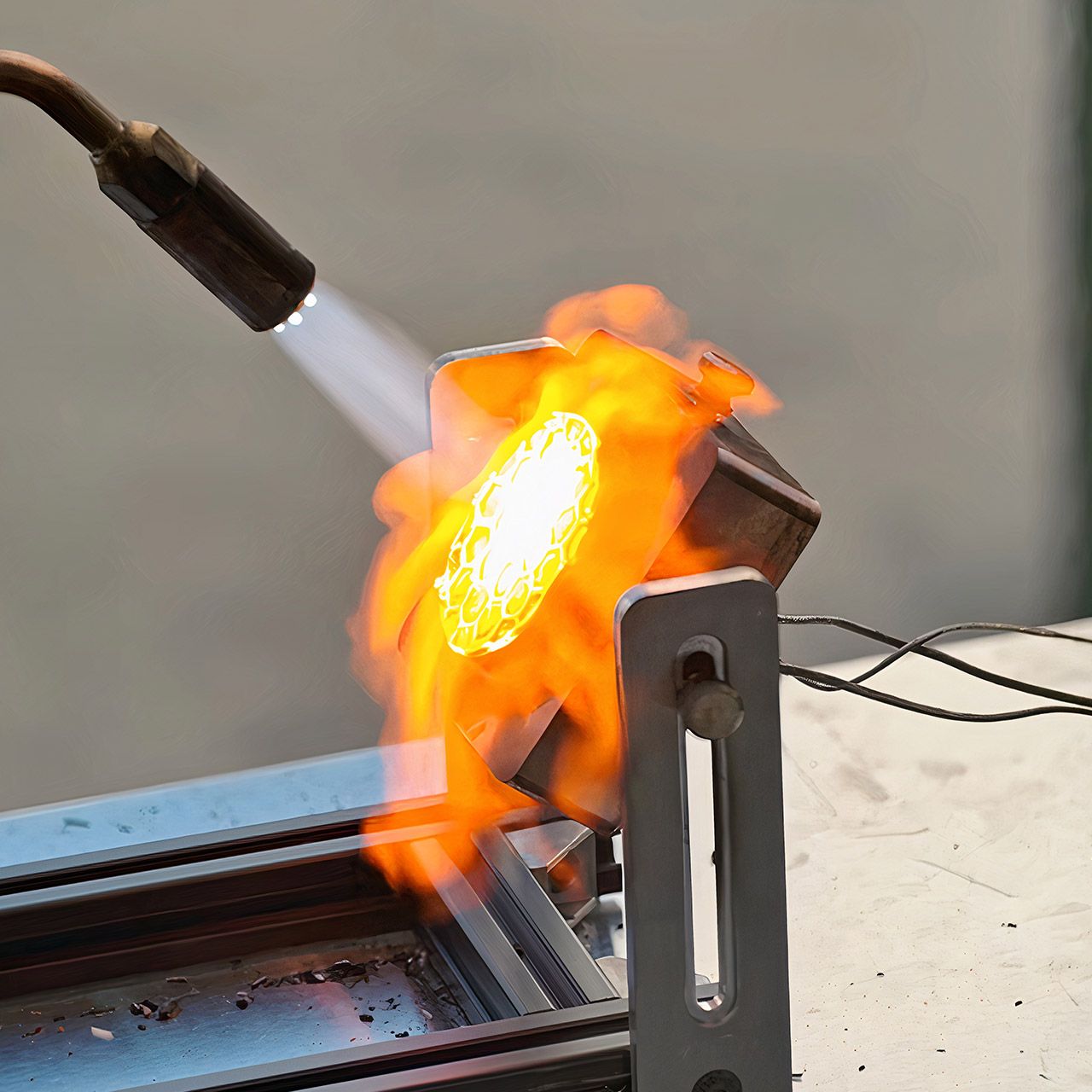
Chunks of Orion’s Avcoat came off Artemis I after splashdown, and the scare was real enough that a crewed flight sat in the hangar while investigators spent two years on the cause. Reentry heat itself was not the surprise. Skip entry was. Orion dipped, lifted, then came back in so the peak load would be gentler. That quieter stretch of heating left the outer char less open than a hard, continuous burn. Pyrolysis gases had nowhere to go, pressure rose inside the char, and pieces of the shield broke free. Ground tests that only hammered the material with a short, fierce pulse never showed it.
Polymatt placed the laptop-shell repairs on hold and set out to reproduce the problem on a bench. He decided to attempt making some honeycomb pucks, about 20 mm thick, printed in glass-filled Rigid 10K resin, as a dummy alternative for the actual fiberglass matrix that NASA coats with Avcoat. He created a homemade version of a published recipe using novolac epoxy, milled glass, and phenolic microballoons. Because there was no industrial mixer in the shop, he kneaded the paste like it was dough until the fillers were gone and the air pockets remained. Before the test coupons could cure, three K-type thermocouples were inserted at 5 mm, 12 mm, and 20 mm from the back. The witness pucks were later broken up to check for voids.

LEGO Icons Hubble Space Telescope 11382
- EXPLORE THE HUBBLE SPACE TELESCOPE – Celebrate one of humanity’s greatest scientific feats while enjoying a relaxing building experience with the…
- REPLICA SPACE MODEL – Recreate the legendary space-based telescope with posable solar arrays and antennas, an opening aperture door and a detailed…
- AUTHENTIC DETAILS – Remove the exterior panels to reveal a detailed instrument bay, which features gyroscopes alongside primary and secondary…
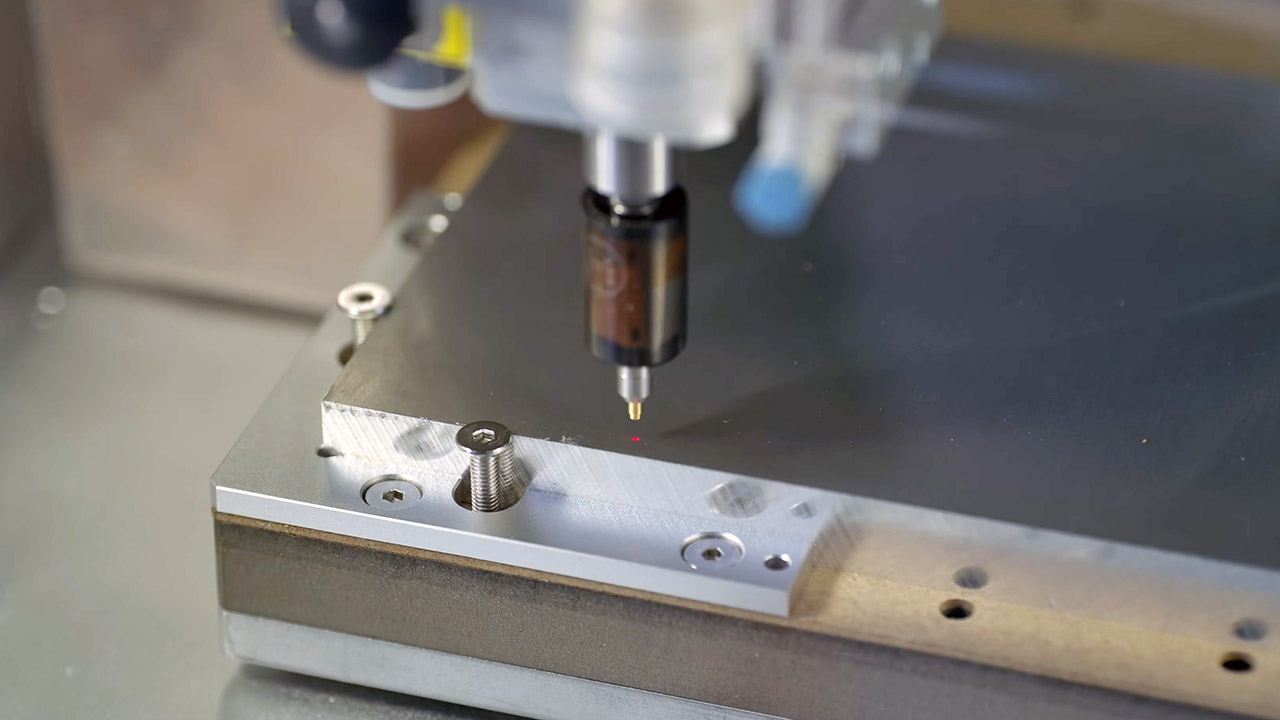
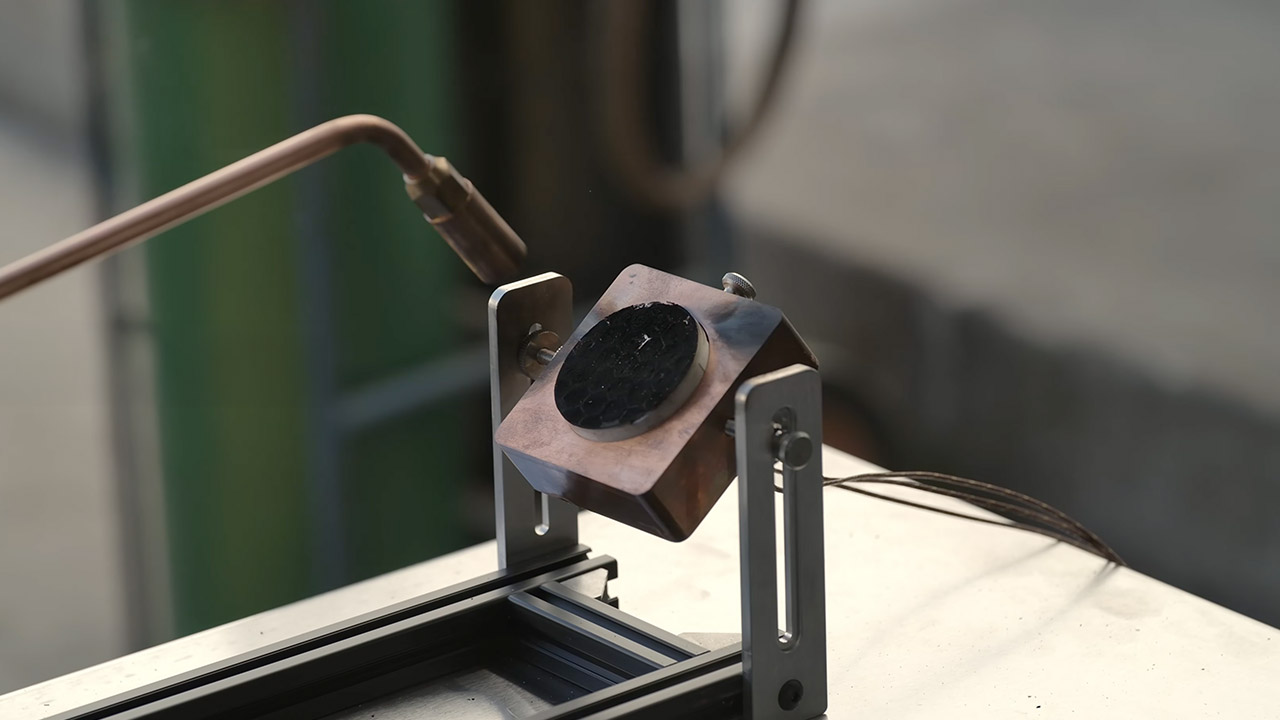
To hold the test coupons, a copper block was machined using a desktop CNC. Copper was a smart choice since it draws heat away rather than bouncing it back into the sample. The block sat on an aluminum frame with uprights that could be adjusted with thumb screws to vary height and pitch. A torch on a pivoting base produced the flame, which was approximately 2,500 C, slightly lower than the 3,000 C plasma Orion saw, but close enough to provide the test coupons with a char coating and a pyrolysis zone to analyze. Two ESP32 boards and a slew of MAX31856 amplifiers were hot on the thermocouples, capturing the data. One circuit also powered a 4.7-inch e-ink screen, allowing the numbers to be seen even under bright shop lights. A pressure switch allowed him to choose between a continuous 2-minute burn and a skip profile of one minute on, one minute off, and one minute on.
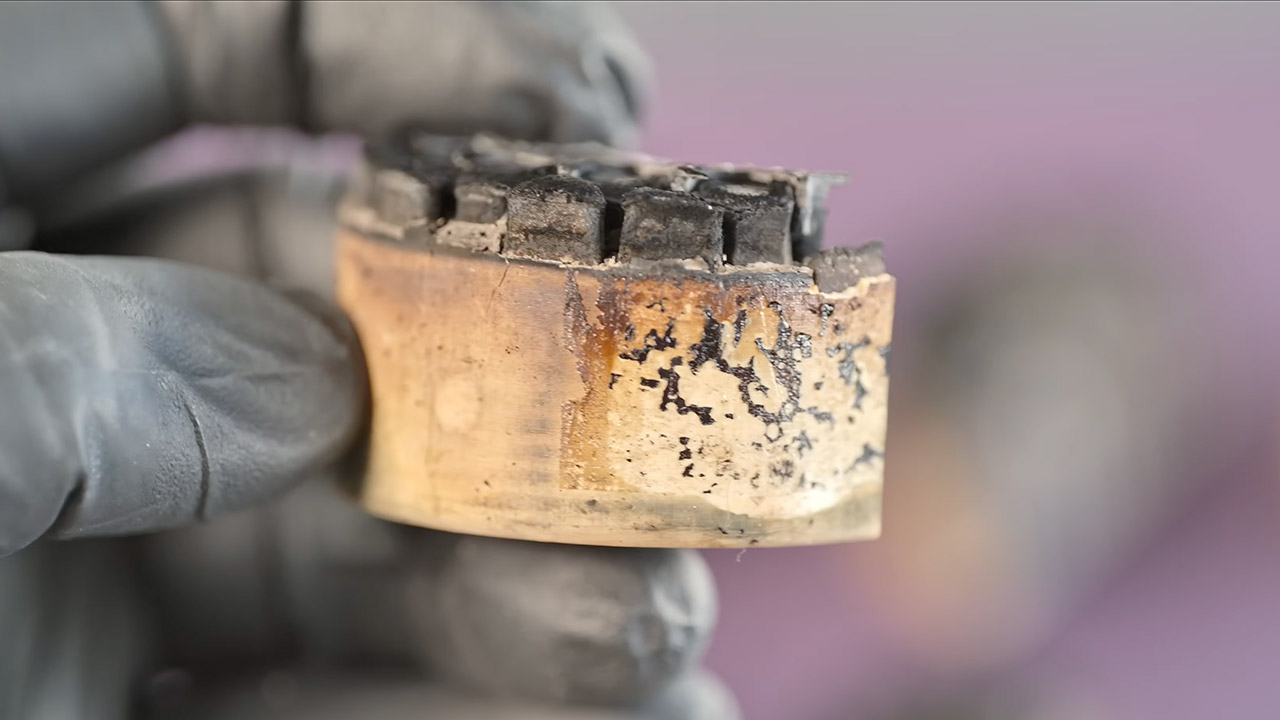
Going for a constant heat kept the test coupons intact. A cut face on one of them revealed the textbook stack of char, a pyrolysis band, and still-virgin material beneath, but this all changed with the skip profile, which had the opposite effect. During the silent minute, the char sealed, gasses accumulated, and the honeycomb pucks fractured as NASA described. Giving it a lower heat for a longer length of time caused more damage than a hotter, shorter blast. Cross-sections of a 30-second burn revealed that the layers remained sharply focused, whereas a two-minute burn muddled the entire virgin zone because the coupon was too thin and the heat seeped in too deeply. Looking at the early temperature readings, it appeared that the sensors were just dead, but this turned out to be a remarkable example of how well an old mix can still insulate.
NASA’s solution to the problem for later missions was not some novel chemical, but rather increasing the heat and allowing it to cook for a little longer so that the char remained porous enough for the gasses to escape. A new, more open Avcoat blend is also in the plans for future vehicles.
[Source]
Polymatt’s Avcoat Recreation of Orion’s Skip-Entry Crackup Showcases a Heat Shield That Works by Failing
#Polymatts #Avcoat #Recreation #Orions #SkipEntry #Crackup #Showcases #Heat #Shield #Works #Failing