Kenya has a doping crisis – so why has it been awarded the World Athletics Championships?
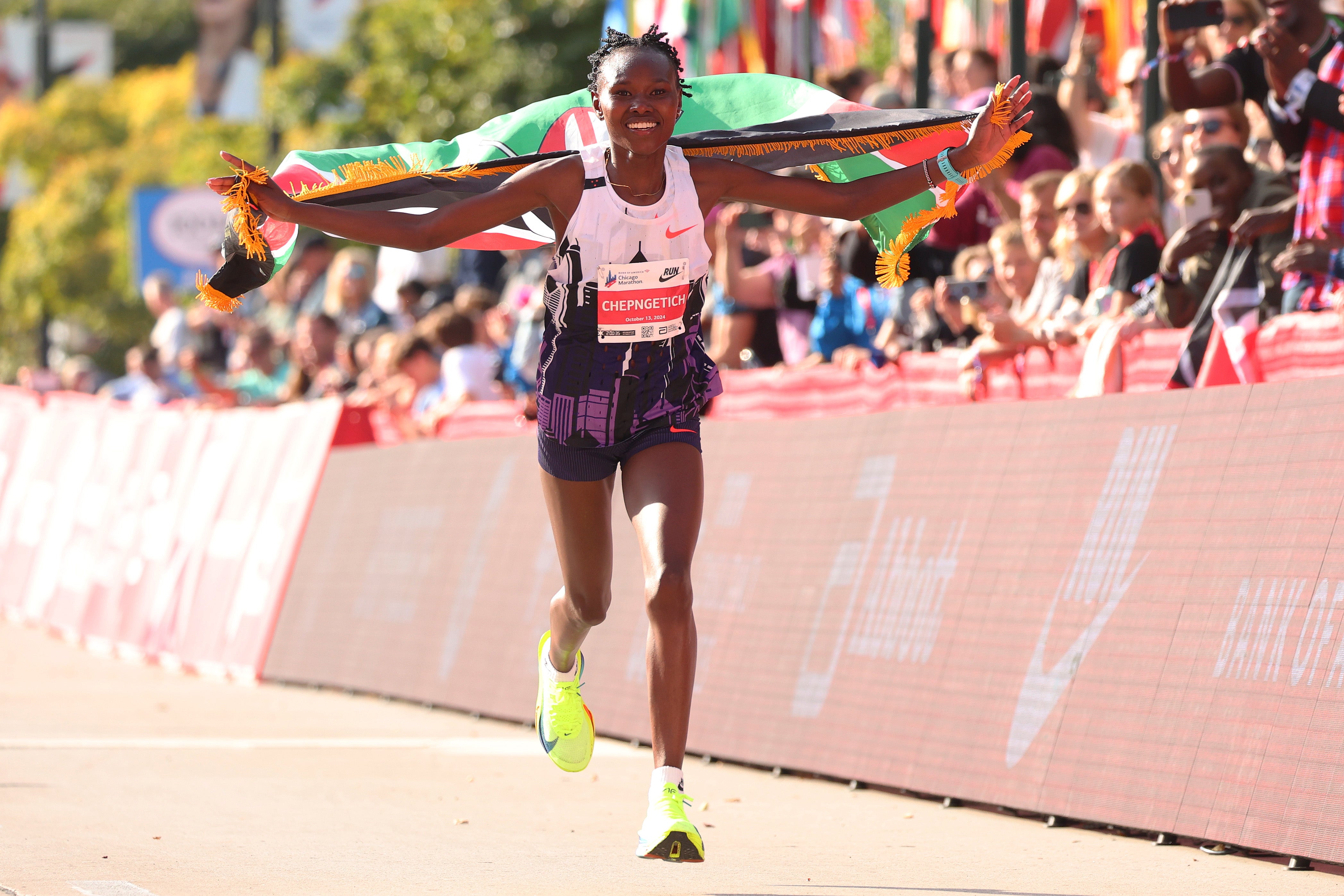
There are currently 148 Kenyan athletes serving doping bans, second in number only to India, according to the Athletics Integrity Unit (AIU). Some of their excuses have been breathtaking. Ruth Chepngetich, who broke the marathon world record by a staggering one minute and 57 seconds in Chicago two years ago, said she must have been contaminated when taking her housemaid’s medication after feeling hot. Emmaculate Anyango blamed mysterious hospital injections after fainting. Eglay Nalyanya and Betty Lampus both submitted fake medical records signed by different imaginary doctors at the same hospital.
Wilson Kipsang was a personal favourite. The former marathon world record holder told the AIU that he missed a fourth drug test because he had been held up by an accident on the road, caused by a landslide in heavy rainfall near the city of Nakuru. Kipsang submitted a photo of an upturned truck by way of explanation. But investigators found that rainfall around Nakuru leading up to the day in question had been unremarkable and unlikely to cause a landslide. They also discovered that the photo Kipsang claimed to have taken that day was actually of a road traffic accident that happened three months later.
Perhaps the most elaborate was Lawrence Cherono, a two-time major marathon winner and one of the fastest men to ever run 26.2 miles. Cherono initially blamed a doctor for injecting him with an unknown substance, then pivoted to blaming his “jealous” training partners for a dark plot to trap him. Finally, he landed on a third explanation: his wife had accidentally given him the wrong tablets. Cherono submitted forged medical documents with a handwritten prescription and a fake photograph, and it took the AIU two years to prove he was lying.
At which point, as absurd as these stories are – and there are many more – it becomes a little bleak. The AIU continues to pour time and money into investigating endemic doping in Kenya. Only last week, marathon runner Caren Chelagat was banned for four years after testing positive for the banned substance norandrosterone. Clean athletes are repeatedly suffering from rampant cheating, losing both earnings and career-defining results.
Dig beneath the surface of the feeble excuses and there are patterns here: the fabricated records requiring medical knowledge, the elaborate cover-ups, the coaches and managers linked to the same guilty athletes. They point to the influence of organised crime groups, preying on athletes who are desperate to make life-changing sums of money and who quickly become hooked on high performance. Though perhaps not very well-organised crime, given so many athletes are getting caught in the AIU’s testing net.
The issues in Kenyan athletics run deeper than doping alone. World Athletics continues to investigate a number of athletes over allegations of age cheating. Then there are the cases of harassment and violence against female athletes in the country, most horrifyingly in the murders of Agnes Tirop, Damaris Muthee Mutua and Rebecca Cheptegei. A recent study of Kenyan women in sports found that 69 per cent of respondents had experienced or knew someone who had experienced sexual and gender-based violence.
So against that backdrop, this week’s decision to hand the 2029 World Athletics Championships to Nairobi is not a great look for the sport. Nairobi impressed World Athletics chiefs with an emotional pitch built around being the first African nation to host the prestigious event, and certainly it should have been staged on the continent before now. Nairobi’s bid also played on the fact that 2029 will be the final edition to include the marathon. Kenyan great Sabastian Sawe, the current men’s world record holder in the marathon and first man to break two hours in an official race, actively encourages drug testing and could well win the men’s race on home soil.

London, which spent £45m on its failed bid, and Rome were overlooked, while Munich will stage the following World Championships in 2031. But before then, the sport’s biggest event is heading to a distance-running hotbed in a country rife with doping, a plague that still rages despite efforts by World Athletics, Athletics Kenya and the Anti-Doping Agency of Kenya.
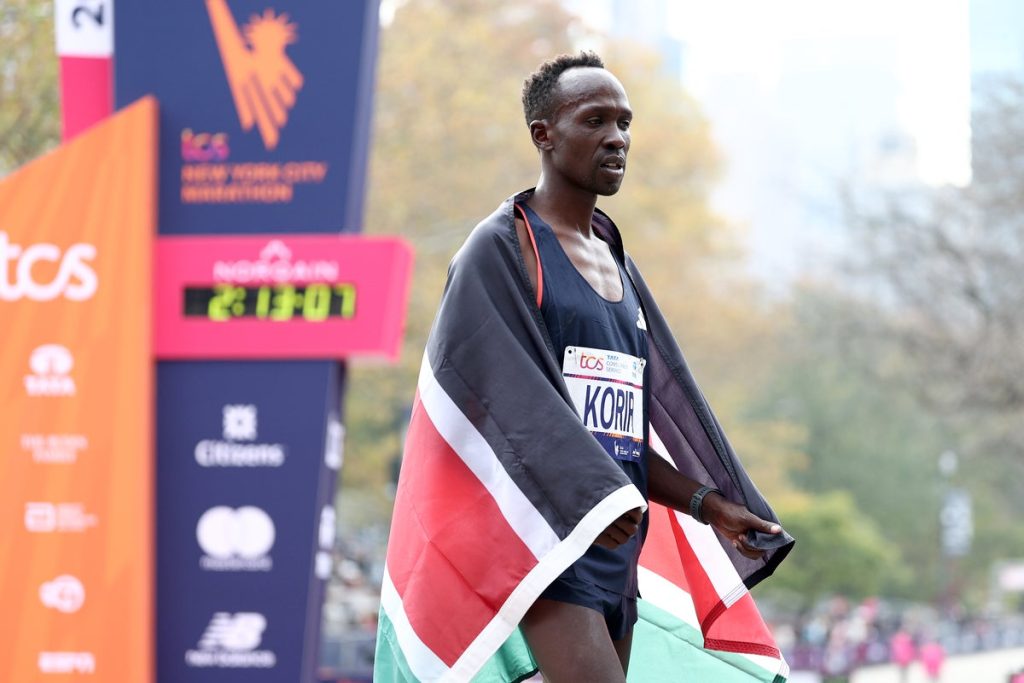
Naturally, the increased scrutiny on Kenya, which was labelled a category A high-risk country by the AIU in 2018, has weeded out positive results, which suggests the anti-doping system is working. But the optics are still the same. Once major marathon champions like Albert Korir and Diana Kipyokei failed tests, then every impressive Kenyan time, every exciting rising star, was treated with suspicion.
Kenyan athletes will be more motivated than ever to reach the top of the sport over the next three years with an African championships on the horizon, which could lead more athletes astray. Let’s not pretend the cheats have all been caught, or that they ever will be. “Intentional dopers at elite level are evading detection,” admitted AIU chair David Howman last year. No doubt some who escape the testers will be competing at their home Worlds in 2029.