The clear priorities England must tackle after turbulent summer

Want to bookmark your favourite articles and stories to read or reference later? Start your Independent Membership today.
Already a member?
Log in
At the end of a chaotic couple of months, there was one last piece of Brendon McCullum understatement to part with as the curtain came down. “It’s been eventful,” England’s white-ball coach remarked of a strange summer that may be remembered more for the wrong reasons than the right ones.
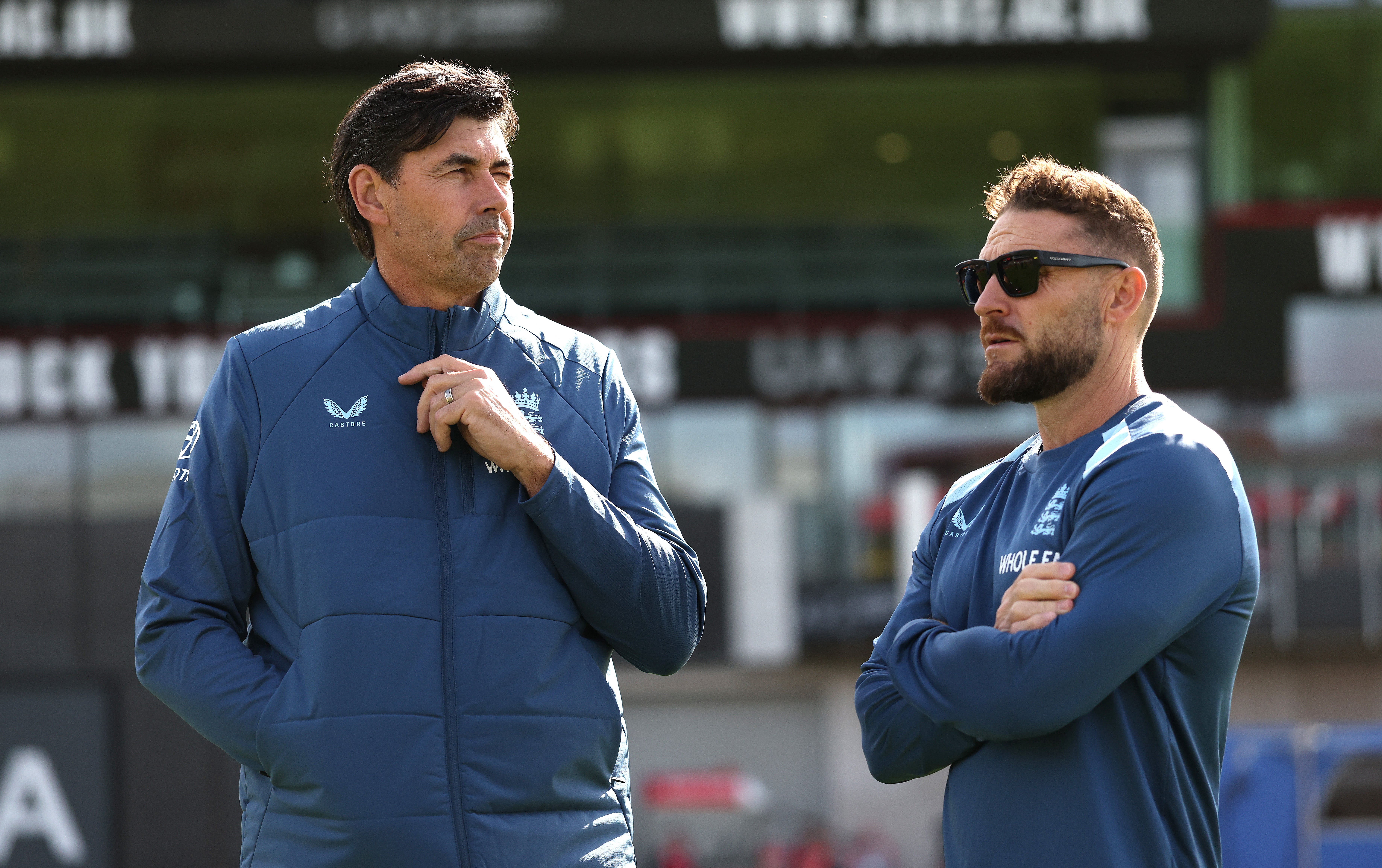
But McCullum’s next comment required slightly more scrutiny. “I genuinely feel right now, at the end of the summer, English cricket is certainly in a really good place,” he opined, obviously with a vested interest as an individual who began the summer as their men’s all-format supremo and closed it adjusting to life working again alongside good chum Stephen Fleming. Could it really be said that out of the tumult that characterised so much of the cricketing year, England have emerged better and brighter than before? Certainly, that argument can be made.
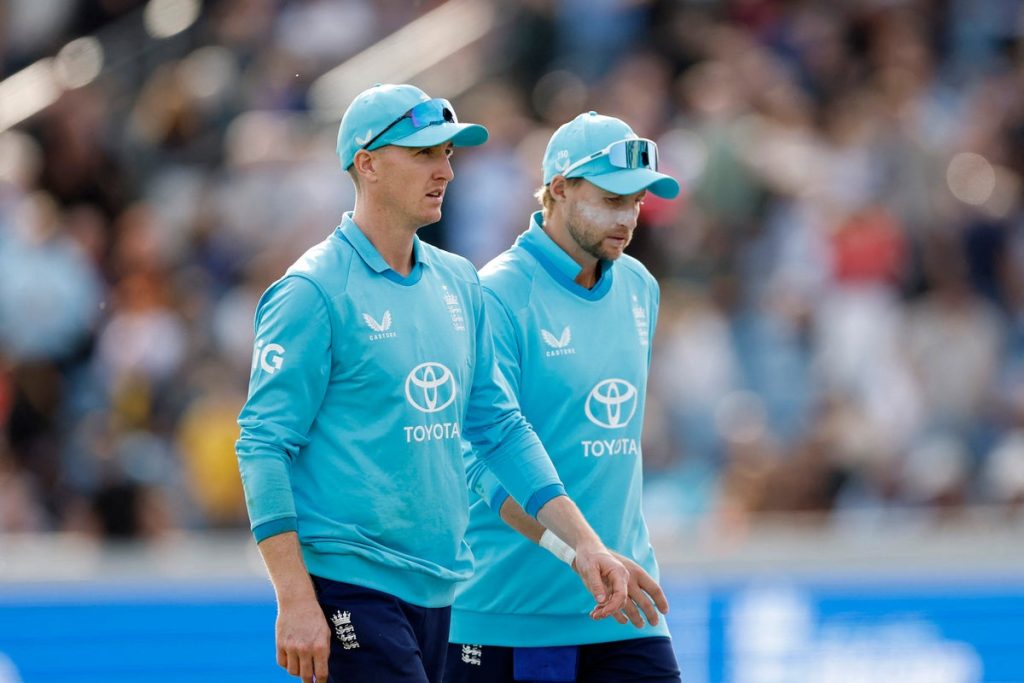
In terms of pure accounting, the overall win-loss record is encouraging: in red-ball cricket, played six, lost two; in coloured clothing, a rise to No 1 in the world in the T20 format and two strong series wins in 50-over cricket represent signs of real progress. In McCullum and Harry Brook, and Fleming and Joe Root, England appear to have two distinct sets of leaders with their own defined identities but immense comfort working with one another – while they may reflect that Pakistan and Sri Lanka, latterly, were not perhaps top-class tourists, there is at least a foundation from which to rebuild after England rather burned the house down in the Tests against New Zealand.
As reflected upon before, the England and Wales Cricket Board (ECB) erred in backing McCullum and Ben Stokes so strongly after the Ashes, squandering time and a Test series when all could see a fresh start was required. Rob Key and co. would argue – with some justification – that making a change earlier would have meant missing out on Stephen Fleming, inadvertently an ideal fit for the curious circumstances under which he will assume duties as Test head coach. To come out with a relatively positive overall record and sense of optimism about all three sides given how things appeared to veer off the rails either side of the retirement of Stokes will leave the hierarchy relatively pleased.
The all-rounder’s departure meant the side losing another of its big beasts that have characterised the last decade; only Root and Jos Buttler, who will miss the tour of Pakistan next month as he recovers from his hamstring injury, remain. It is encouraging, then, that others have begun to assume and enjoy fresh prominence. Brook has proved a shrewd leader in white-ball cricket and has looked a class apart at times with the bat, while the careful management of Jofra Archer has paid dividends in an injury-free and impactful summer. In he, Ollie Robinson, Josh Tongue, Gus Atkinson and Sonny Baker, there is a fast-bowling stable of variety and venom – though tougher tests on less friendly pitches in red-ball cricket await.
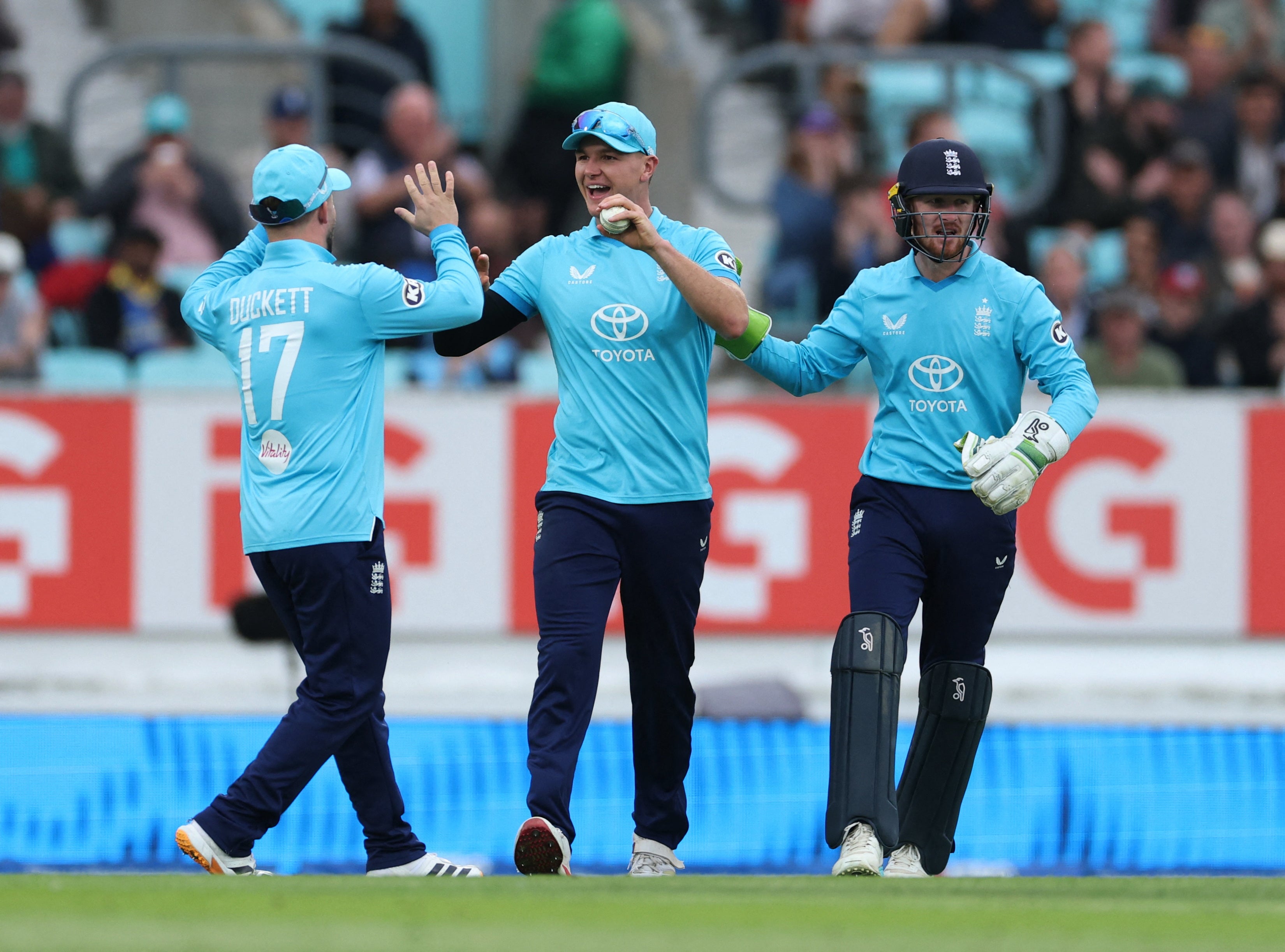
A refreshing of central contracts is due in the coming days, which, as ever, will be instructive. Emilio Gay is thought likely to receive a first deal, which would indicate the likelihood of touring South Africa even with his place far from certain. Jordan Cox, by contrast, feels to have seized his chance to become an all-format regular. “I thought that was quite a Jos Buttler innings,” said McCullum of the Essex batter’s 76 in the third ODI against Sri Lanka. “He’s done really well domestically for a number of years and he’s been unlucky with injuries when he’s been on the cusp previously. He’s deserved it. He’s very well liked in our dressing room and he seems to be one of those guys who is good at whatever he does, which can be incredibly annoying.”
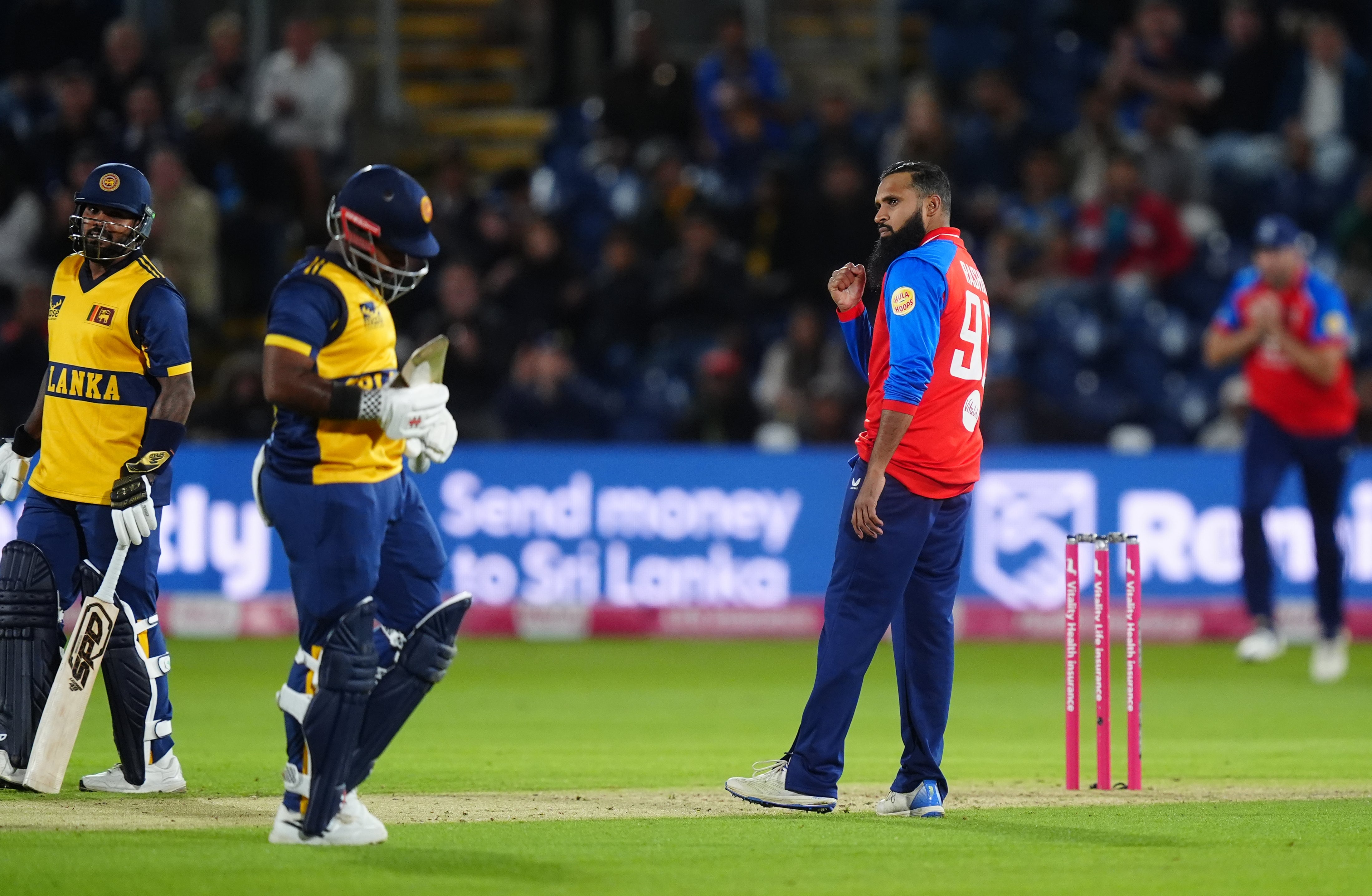
Dan Lawrence, too, seems to have swelled in stature within the environment as another adaptable, attacking cricketer. His place as lead spinner in the Test team remains a bit of a bodge but England are not replete with proven alternative options. It has been a tough week or so for Rehan Ahmed in the absence of an injured Adil Rashid, with the leggie left out at the Oval after two middling ODI outings with ball and bat. Rashid will be 39 come next year’s World Cup and remains as important as ever; Liam Dawson is two years his junior and now free to whittle away with his white-ball wiles having given up red-ball cricket. To see South Africa bowl 30 overs of finger-spin in their second ODI win over Australia in Johannesburg showed that balance will be necessary come the tournament in just over a year’s time.
Having found a winning formula, the Test team are less likely to tinker with their four seam spearheads when they arrive in the nation rather sooner. They will surely take an alternative spin option – Shoaib Bashir may be feeling vulnerable about his central contract – in December with half an eye on Tests in Bangladesh two months later. It is a curious itinerary ahead for Fleming to plot through – after that short sojourn comes one shorter still for the 150th Anniversary Test at the MCG, before Bangladesh visit for a one-off encounter at Lord’s. That should at least leave his side well prepared for the Ashes; to hear McCullum demand an expanded programme of warm-up games ahead of the World Cup suggested at least one lesson had been learned from the missteps of the reverse encounter Down Under. England remain a work in progress but there is at least work and progress of which to speak.