NASA’s Curiosity Rover Catches Morning Light on the Wind Carved Cliffs of Mars
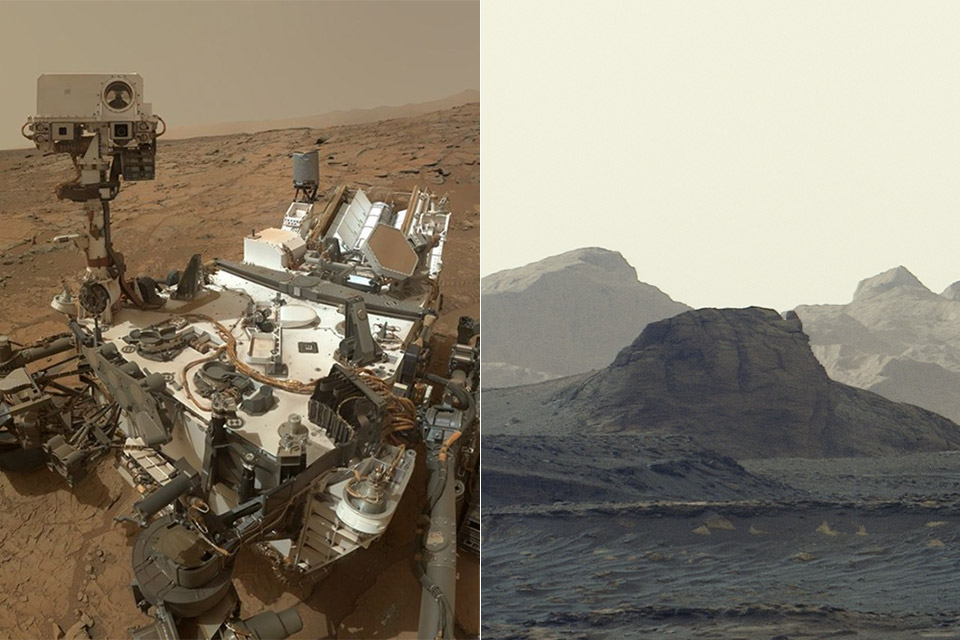
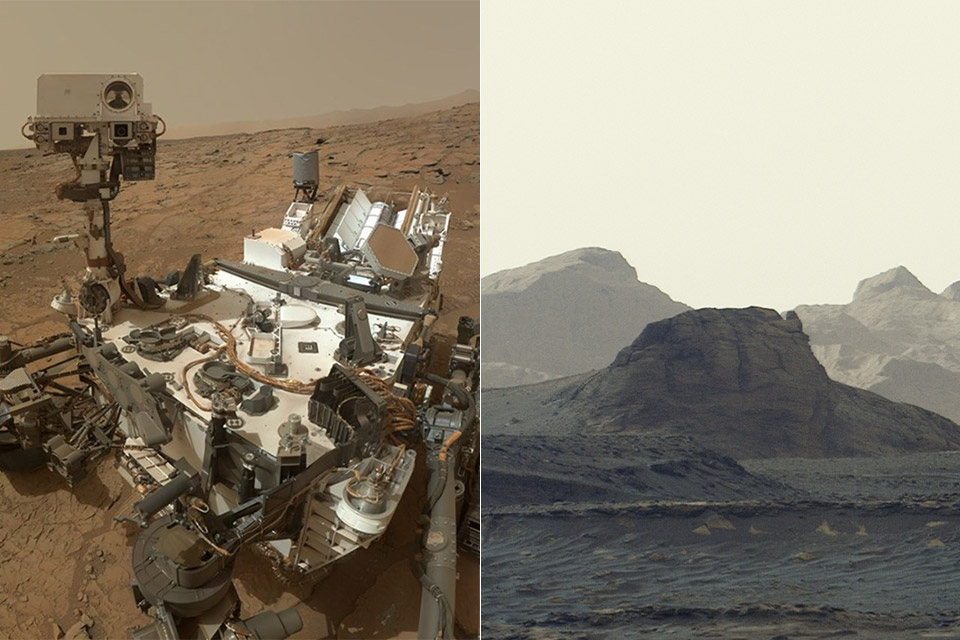
NASA’s Curiosity rover took the frame on August 11, 2026, at 8:30 in the morning local time on Mars, about an hour after sunrise on sol 4,982. Six shots from the mast camera were stitched into one panorama after the files reached Earth. Mission staff left the usual white balance off, so the morning tint stayed in the file instead of being pushed toward the rusty palette most rover pictures carry.
Morning light on Mars looks very different from the stony red deserts shown in films such as Total Recall. In actuality, dust in the thin atmosphere does the trick, scattering shorter wavelengths forward and giving the foreground a cool, bluish color as the sun rises. In this view, the chilly light washes across the terrain in front of the rover, while the first direct light highlights a line of cliffs on the horizon. Daytime photos from the same camera are normally much warmer; however, this one is different because it freezes frames at the same instant they were taken.

LEGO Technic NASA Mars Rover Perseverance Building Toys – STEM Model Kit for Boys & Girls, Ages 10+ Years…
- Feed a passion for science and technology – Kids can learn more about the challenges of space exploration with this LEGO Technic NASA Mars Rover…
- Conduct a test flight – This advanced building kit for kids ages 10 and up includes a buildable toy version of NASA’s Ingenuity helicopter, which…
- AR brings the mission to life – The accompanying augmented reality app experience lets kids dive into the details of the rover and its mission
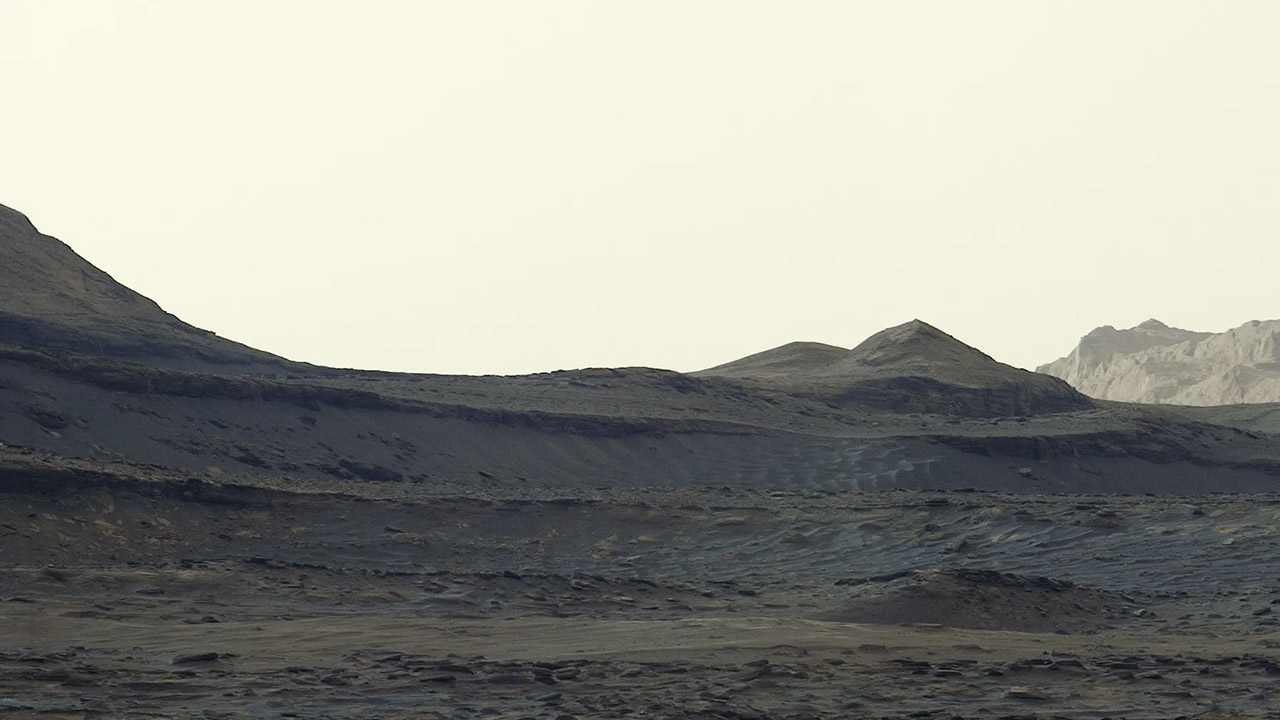
Those cliffs are yardangs, which are long, steep ridges of bedrock sculpted out by the wind over ages. They are on the northwestern slope of Mount Sharp (a fairly magnificent 3 mile mountain), which Curiosity has been slowly but steadily climbing since 2014. One of the rock strata they belong to now runs for around 10 miles across this area of the mountain, which is not surprising given that scientists have noticed something unusual. For starters, the color does not match the surrounding rock, the layers slope off at an odd angle, and the entire thing appears to have been slapped on. Some hypotheses suggest that it is ash from ancient eruptions that was left behind after a change in climate took away the earlier rock and created a gap in the climatic record that the rover has been tracing as it climbs.
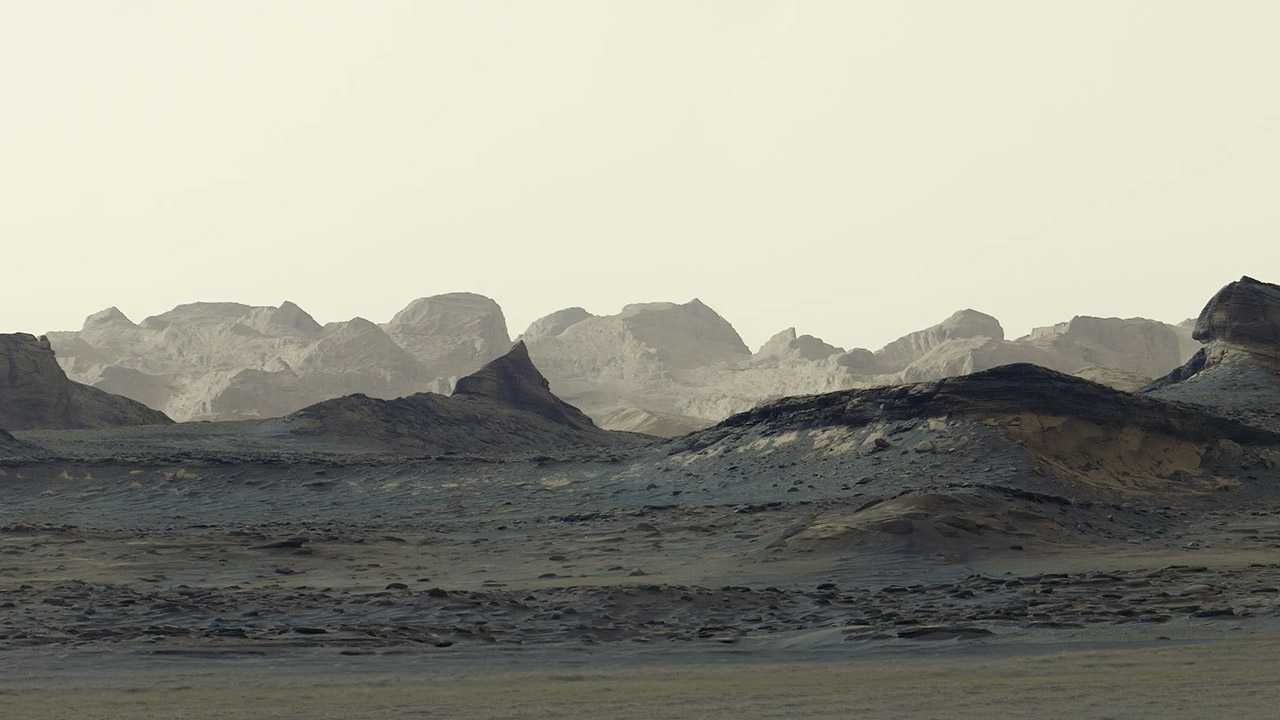
Mount Sharp is essentially a collection of old lake beds and stream deposits from when Gale Crater was still rather wet. Later, the water evaporated, and the salt left behind mixed with the rock, and the wind continued to work as it chipped away the surface layer. Curiosity is already well into its fifth extended mission and is rummaging through some of the mineral-rich layers that tell the narrative of the long, sluggish drying process. Unfortunately, the rover cannot yet reach the base of the yardang layer, but it will do so by 2027, when it will be in an ideal position to collect a sample of the rock and determine whether the ash theory is correct.
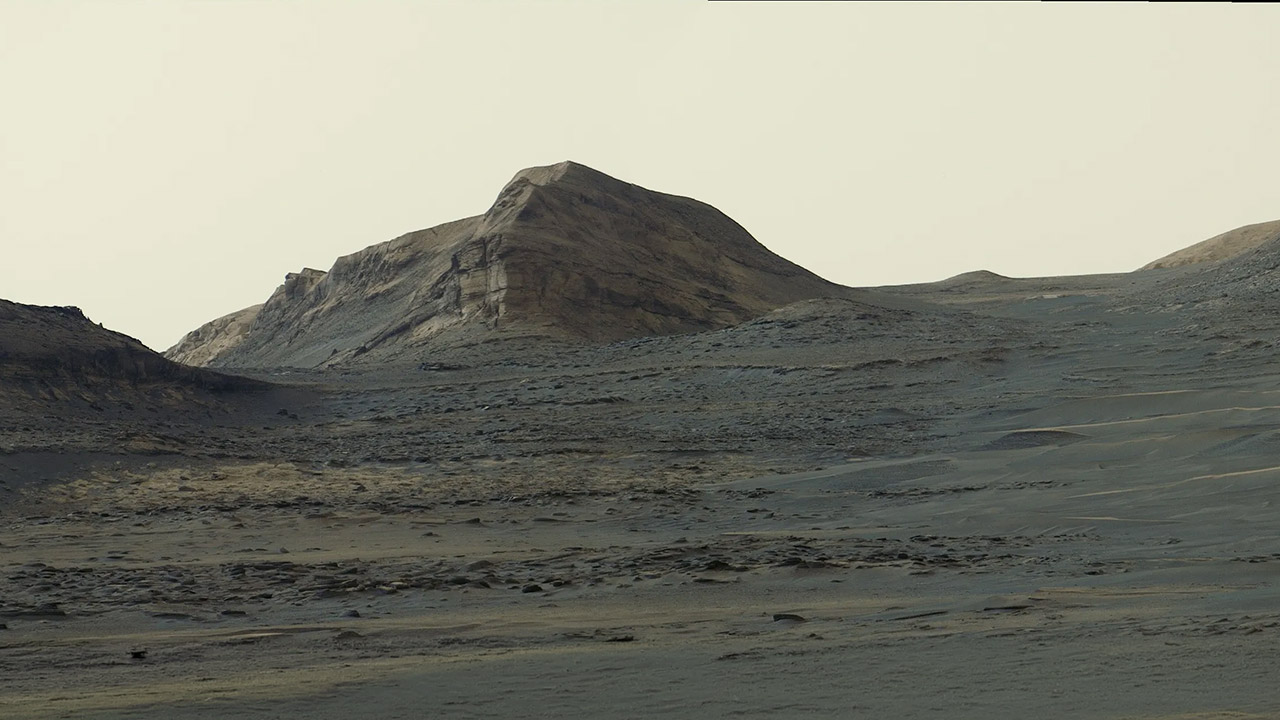
For the time being, this panorama is the best look the team has of what they’ve been working toward for years, and it’s credited to NASA, JPL-Caltech, and Malin Space Science Systems. As it happens, Curiosity has already surpassed 5000 sols and is still going strong. The dawn frame captures a perfect shot of a ridge that the rover still needs to reach, and guess what? The sky is far more interesting in real life than all those Hollywood special effects.
NASA’s Curiosity Rover Catches Morning Light on the Wind Carved Cliffs of Mars
#NASAs #Curiosity #Rover #Catches #Morning #Light #Wind #Carved #Cliffs #Mars