Bricked Prusa MK3S+ 3D Printer Becomes a Machine That Prints Soft Liquids in Support Gel
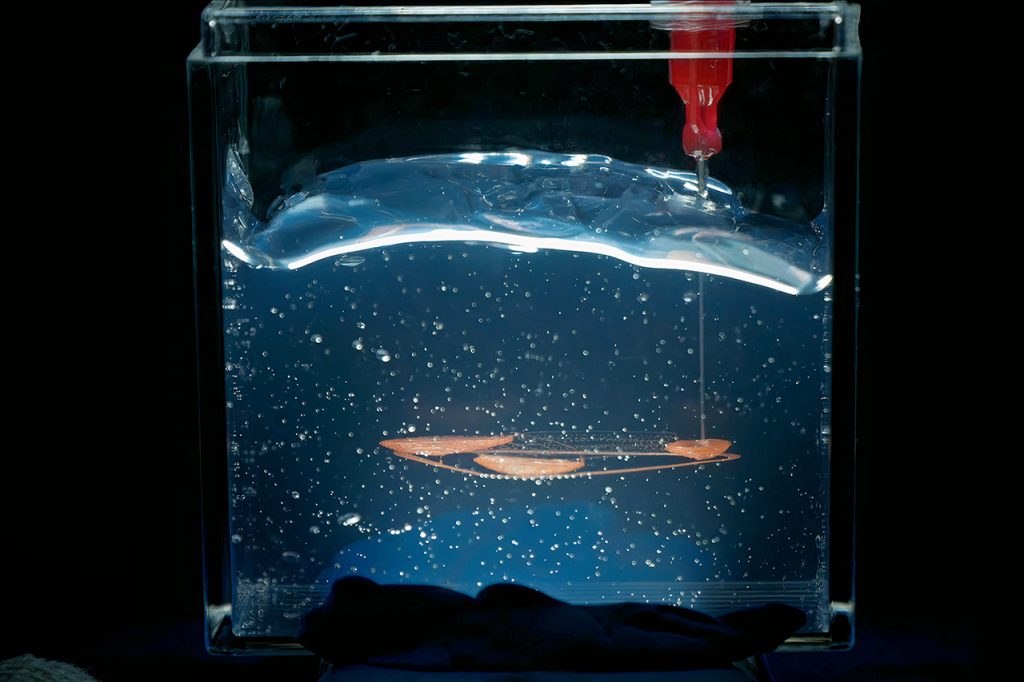
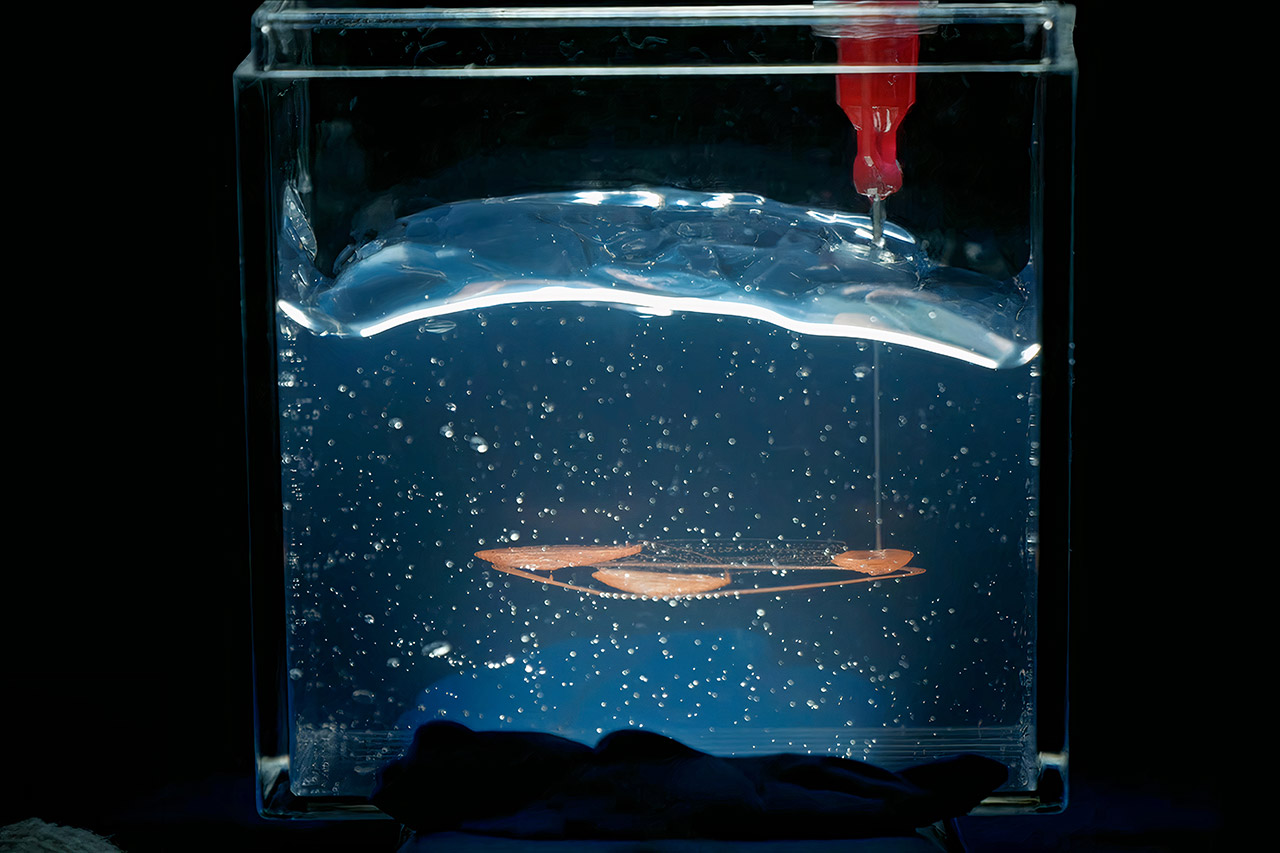
Riley picked up an old Prusa MK3S+ 3D printer whose hot-end had already failed in an explosive blow-out. Most owners would scrap the machine or hunt for a replacement nozzle and heater block. He saw an opportunity to remove the entire filament path and install something else in its place. The motion system, frame, and stepper motors still worked. Only the part that melts plastic was gone, which left an open mounting point for a different kind of extruder.
The Allstruder, an open-source syringe pump created with printed parts, a linear rail, a leadscrew, and a NEMA stepper, replaces the standard extruder. It can take any regular plastic or glass syringe, from a fraction of a milliliter to 100 milliliters, and then pushes the plunger at a controlled rate. Riley installed the Allstruder where the previous extruder used to be, then replaced the motherboard with a brand new Duet 3 Mini 5+ board running RepRapFirmware. That Duet provides him with a web interface to keep track of things, as well as some more stepper channels in case he ever has to add a second syringe. The wiring and enclosure were configured almost exactly as shown in one of CNC Kitchen’s articles on how to perform a Duet conversion on a Prusa frame. After a few weeks of messing with the machine and calibrating it, the printer stopped pushing out hot plastic and began pumping out syringes instead.

Bambu Lab A1 mini 3D Printer + LED Lamp Kit, Ready-to-Use for Beginners
- A1 mini + LED Lamp Kit for Creative Light Projects: Bring your ideas to life with the included LED Lamp Kit. Simply print compatible lamp models and…
- The Perfect 3D Printer for Beginners: A1 mini 3D Printer is designed to make 3D printing easy from day one with automatic calibration, simple setup…
- Experience the Bambu Lab Ecosystem: Access MakerWorld’s huge library of ready-to-print models, manage prints through the Bambu Handy app, and enjoy…
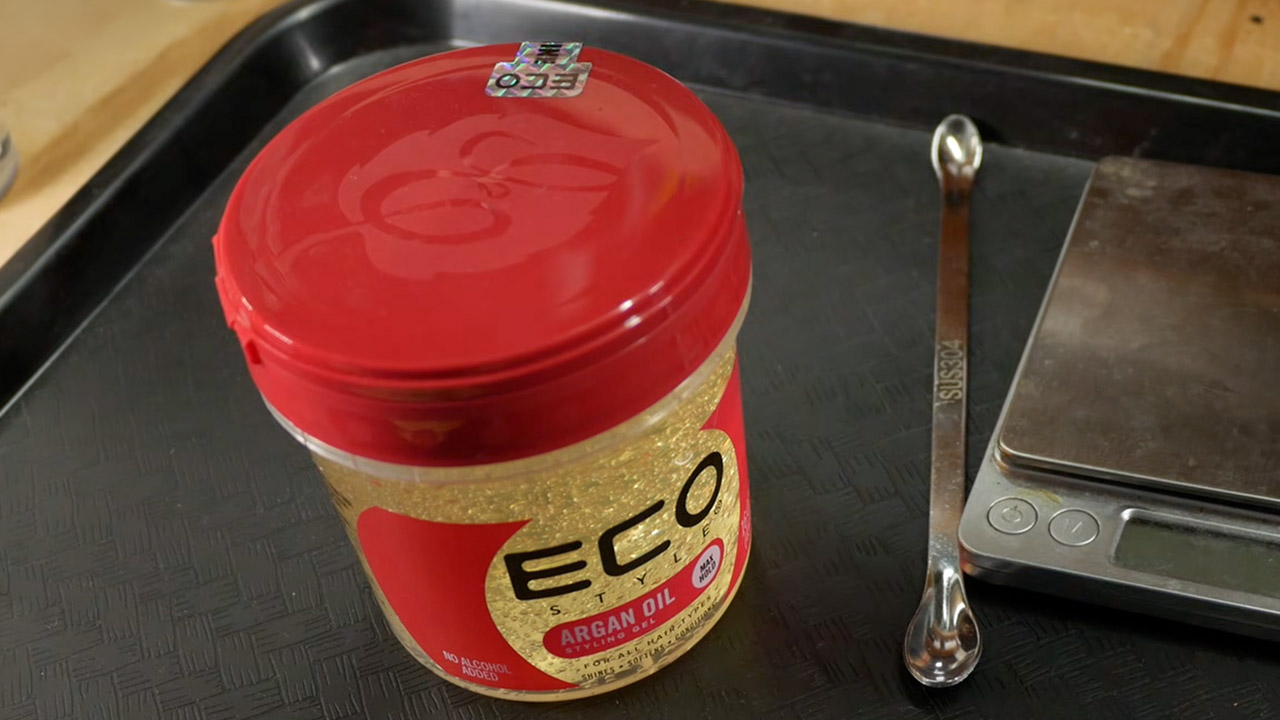
Standard Fused-Filament printing is based on the plastic stiffening up quickly as it meets the air or the layer behind it. Liquids do not work in this way because, when they exit the needle, they spread out, slump, or collapse under their own weight. Embedded Printing tackles this difficulty by depositing the liquid into a supporting bath that functions as a soft solid until something passes through it. Riley utilized standard drugstore hair gel, specifically Carbopol-based, and centrifuged the mixture to remove the bubbles, which served as his bath. When the needle passes through, the gel gives slightly before flowing back around the deposited line and holding it in place until the contents begin to solidify. This means that no temporary plastic supports are required because the gel serves as a temporary mold.
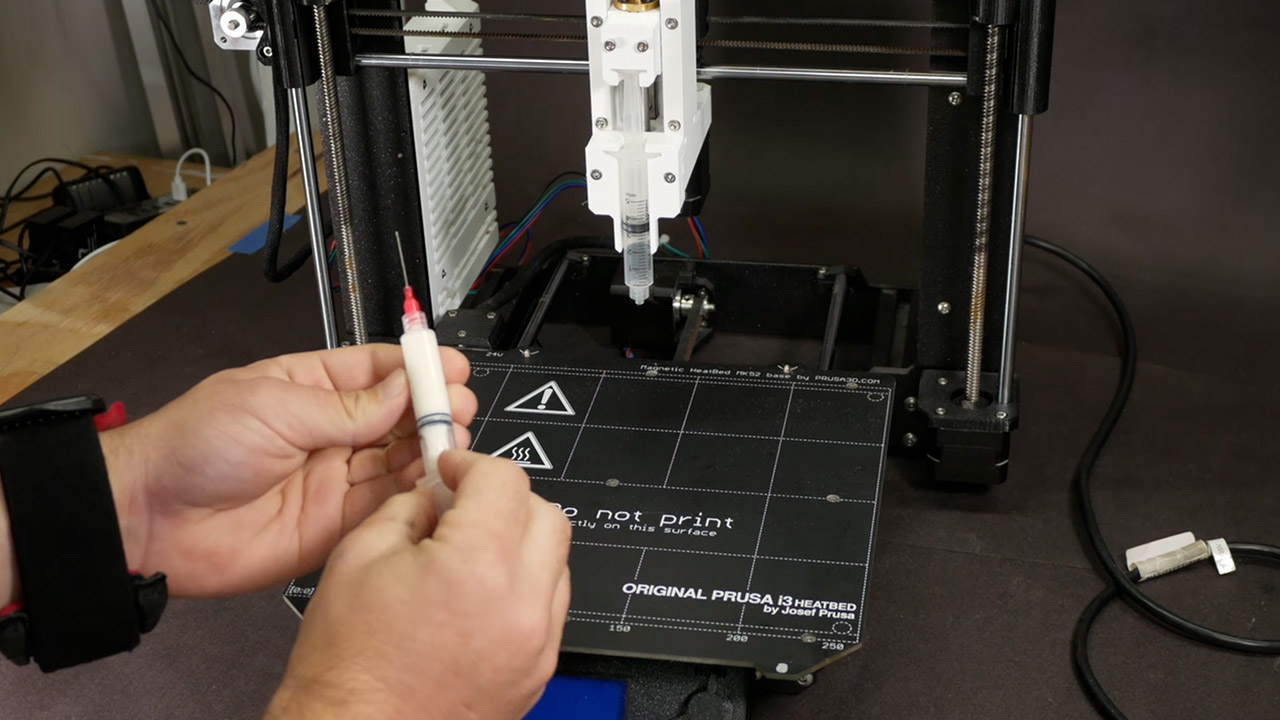
He began with cream cheese, which is an excellent option because it extrudes cleanly and retains its shape long enough to get the axs running and the syringe calibrated properly. The first few passes appeared rough, with air bubbles and poor contact on the bed, but the machine nonetheless moved the needle through the gel and laid down a continuous line. Next came a two-part epoxy. Once mixed, it only has about 40 minutes to work in before becoming too stiff to push through; hair gel and epoxy simply did not mix, as the gel’s additives appeared to interfere with the epoxy’s cure, and the short working time meant that you could only print a small amount at a time before it became too stiff to work with. That was swiftly abandoned, however.
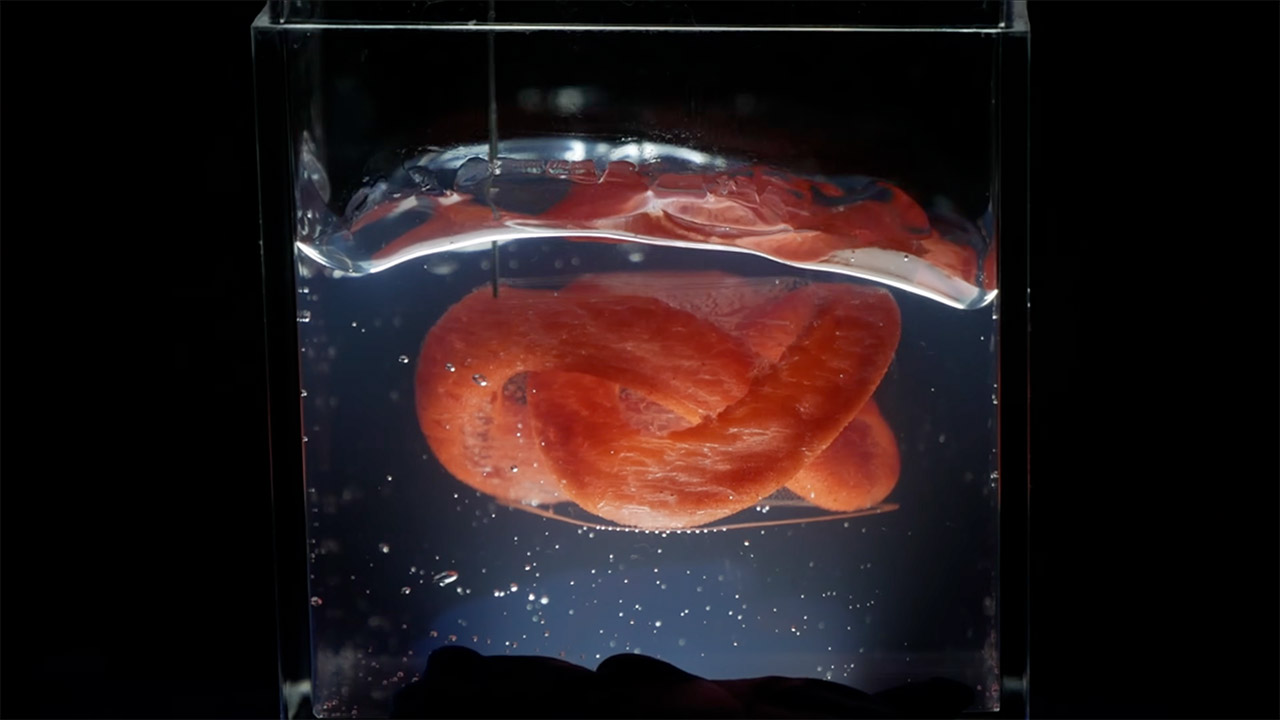
Silicone, on the other hand, proved to be far more promising. Riley put some Sylgard 184 in a syringe, switched to a larger needle for better flow, and printed a trifold torus. Inside the gel, the figure appeared to hang in thin air, supported by the surrounding medium on all sides. When the print was finished and the torus emerged from the gel, it was somewhat recognizable, despite the fact that the edges were all uneven and the cure was still incomplete many days later. It turns out that the hair gel’s chemicals interfered with the silicone’s ability to fully crosslink, leaving the portion feeling softer and goopier than a cast sample. Still, the geometry created without collapsing, which is what is most important.
[Source]
Bricked Prusa MK3S+ 3D Printer Becomes a Machine That Prints Soft Liquids in Support Gel
#Bricked #Prusa #MK3S #Printer #Machine #Prints #Soft #Liquids #Support #Gel