Andy Burnham to meet swimmer Archie Goodburn after emotional plea on BBC Breakfast

Want to bookmark your favourite articles and stories to read or reference later? Start your Independent Membership today.
Already a member?
Log in
Scottish swimmer Archie Goodburn has described his upcoming meeting with prime minister Andy Burnham as a “unique opportunity for change”.
The 25-year-old athlete, who was diagnosed with an oligodendroglioma at age 22, will meet with Mr Burnham following an emotional appeal calling for greater action on brain tumours.
Goodburn noted his advocacy work has “opened doors to have conversations at the highest level of government about the injustices faced by the brain tumour community”.
He previously highlighted how international trials are not taking place in the UK, calling the situation “unfair and unjust” while urging Mr Burnham to appoint a national brain cancer lead.
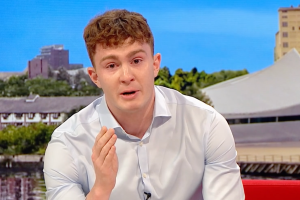
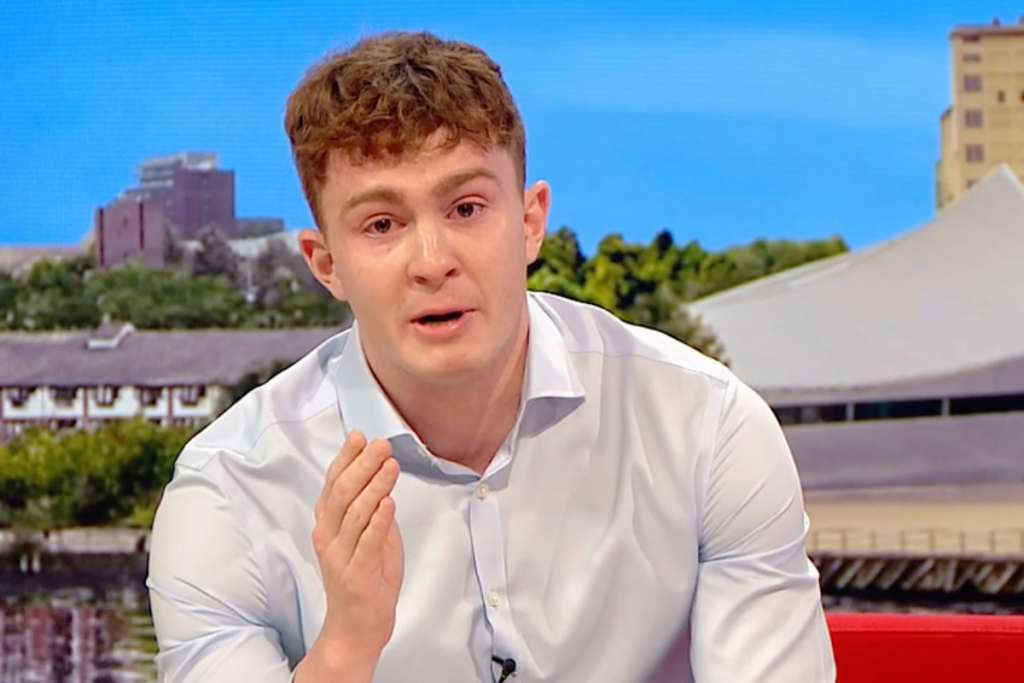
Speaking in tears during a BBC Breakfast appearance, Goodburn said: “Please invest and make the difference. I’m on my knees begging for not just my own life but those who are affected and the families all around the country.
“This has to change, it has been going on for too long and the suffering is unbearable.”
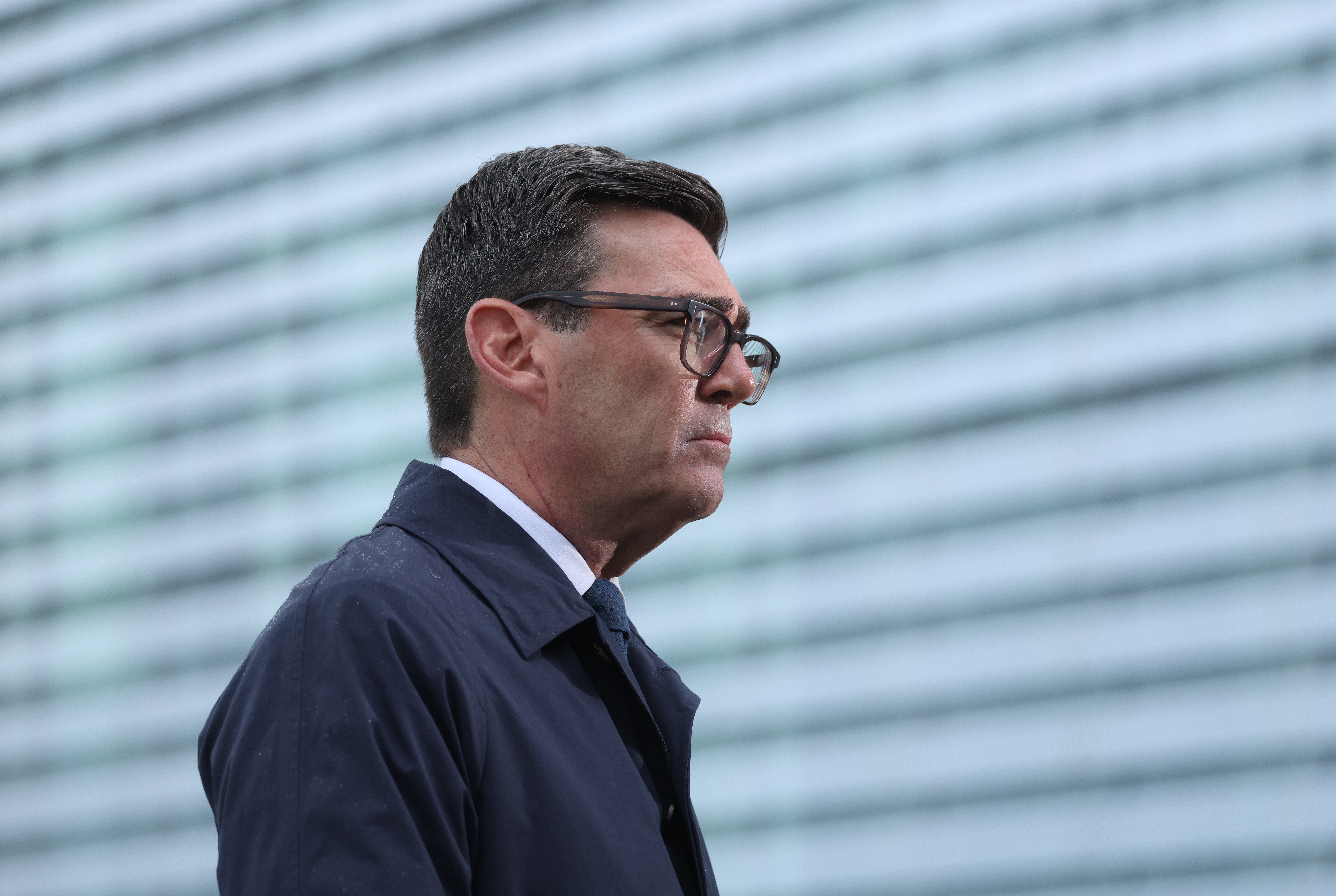
Mr Burnham responded by inviting Goodburn to meet him, with the discussion expected to take place on Wednesday.
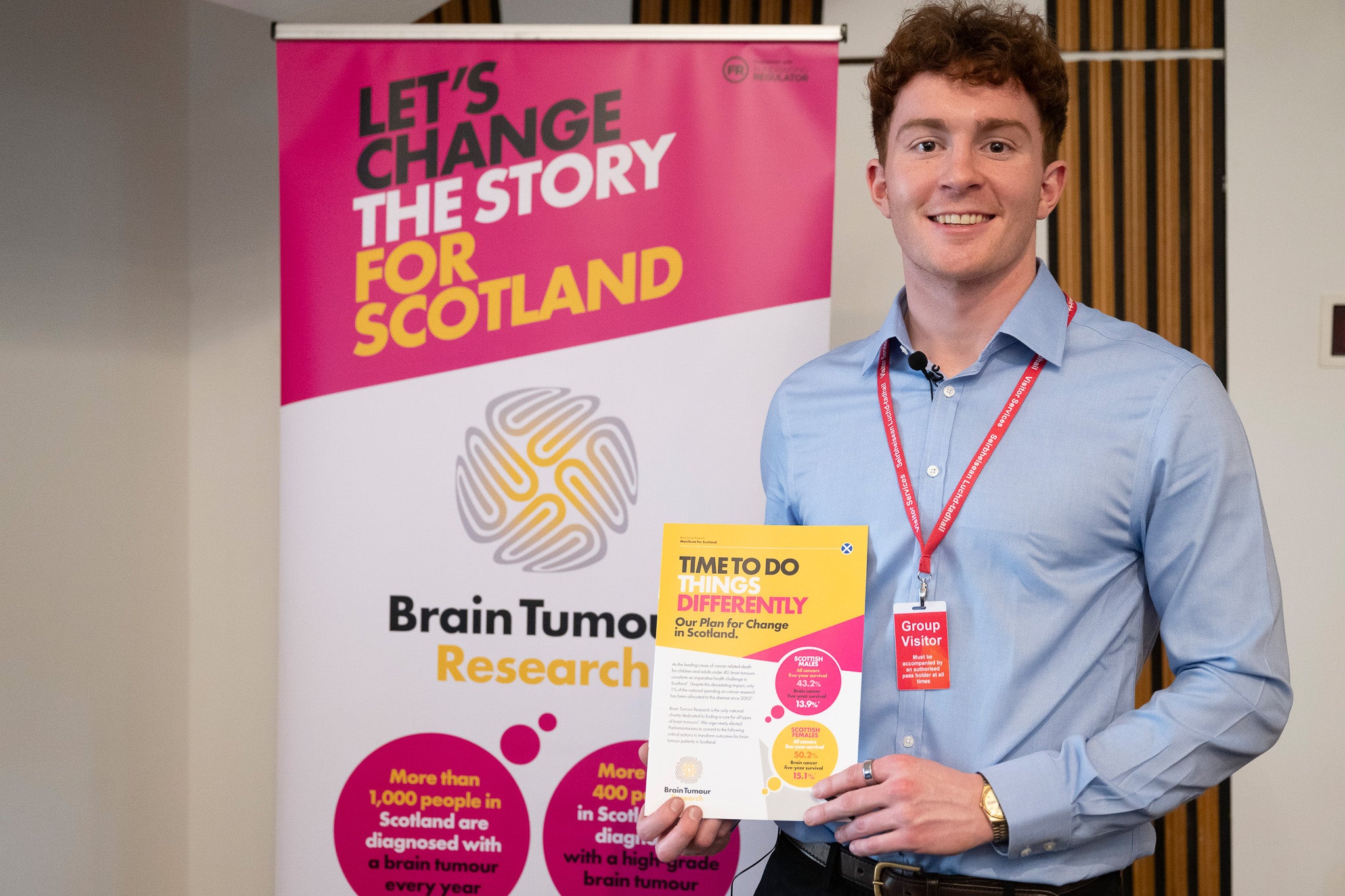
Ahead of the meeting, Goodburn described his journey to diagnosis to the charity Brain Tumour Research.
He first suffered a seizure in December 2023 after a training session in the pool.
The swimmer was rushed to A&E but discharged and told it was likely a migraine or epilepsy.
As his seizures were increasing in frequency he made repeated visits to the doctors but said he “clearly wasn’t hitting the right ‘buzz words’ to describe my symptoms and trigger an MRI scan”.
It was only when he was in training for the 2024 Olympic try-outs that he “bit the bullet” and paid for a private MRI scan.
The scan revealed he had a grade 2 oligodendroglioma – a rare type of brain tumour which develop from glial cells called oligodendrocytes.
“I just couldn’t believe I had cancer, it made no sense,” he told the charity.
“But I have since learnt that brain tumours are indiscriminate and that for many types, we just don’t know why some people get them.”
He said that he was put on a “watch and wait” care pathway as current treatments – chemotherapy and radiotherapy – would have “too many devastating side-effects”.
“Being told you have incurable cancer and have 10 to 12 years to live is devastating. Being told you have incurable cancer and have 10 to 12 years to live and there’s nothing you can do about it is even more of a blow,” he said.
Goodburn went on to study brain tumours as part of his masters degree and tracked down a treatment which has been shown to slow tumour growth.
A medic at the Royal Marsden in London got him the treatment, called vorasidenib, through a so-called managed access programme.
He started taking the drug in summer 2025 and has described it as “transformational”.
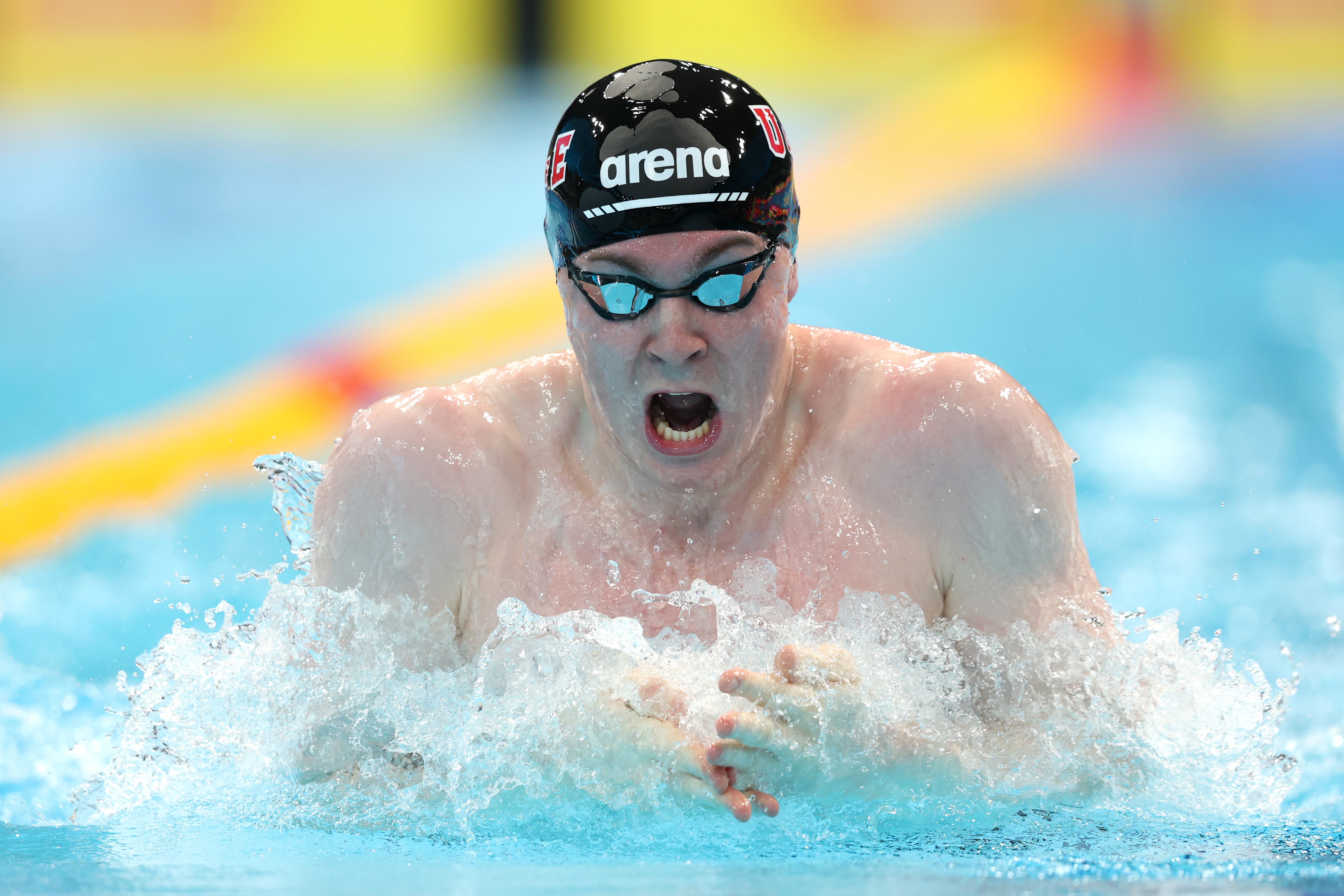
He has since graduated with first class honours from the University of Edinburgh and swam in the 50m breaststroke final of the Commonwealth Games.
But he went on: “If vorasidenib fails then currently there is no ‘plan B’ or ‘next line’ of treatment in this country.
“I could deal with it better if I knew that across the world people stood the same chance, but that isn’t true – patients with my tumour type in the US have access to other drugs such as safusidenib and ivosidenib.”
He told Brain Tumour Research: “As a man in his 20s, how do I sit down and map out what that decade should look like? I feel a sense of hope that there will be a breakthrough in the time where I can still benefit, that I can move from treatment to treatment and stay one step ahead.
“If I can play a part in changing the landscape of brain tumour treatments and research then hopefully these treatments will come along and sustain me and others.”
Goodburn told the charity: “I am hopeful for my meeting with the prime minister. The brain tumour community has united behind me and I know that this is a unique opportunity for change.
“I have spoken to so many people and every voice has a value no matter what someone’s prognosis – we all have the same message in different ways.
“We cannot accept the status quo in the system, we cannot be risk-averse. People are dying.
“My advocacy has opened doors to have conversations at the highest level of Government about the injustices faced by the brain tumour community and campaign for change for myself and for them.
“But I hope I can also inspire people on an individual level.
“Not everyone’s goals include chasing swimming titles, but I hope that I can give patients the courage to push for their own bit of happiness, whatever that looks like, while living with the enormous reality of this devastating disease. That’s what gets me out of bed in the morning.”
Experts have said the meeting between the prime minister and Goodburn marks a “pivotal opportunity to change prospects for brain tumour patients”.
An open letter, organised by the charity Brain Tumour Research and signed by leading doctors and scientists in the sector, states: “The Prime Minister’s forthcoming meeting with Archie Goodburn is a pivotal opportunity to change the prospects for brain tumour patients through a renewed government commitment on research, innovation and faster access to effective treatments.”
They also said there needs to be a “step change” in funding from government.
Analysis from Brain Tumour Research found that three-quarters (74 per cent) of research funding into brain tumours comes from the charity sector, compared to just 26 per cent from government.
Each year around 12,500 people are diagnosed with a brain tumour each year in the UK.