Jensen Huang Held a Tiny Computer Board in 2009 and Declared the Future of Computing
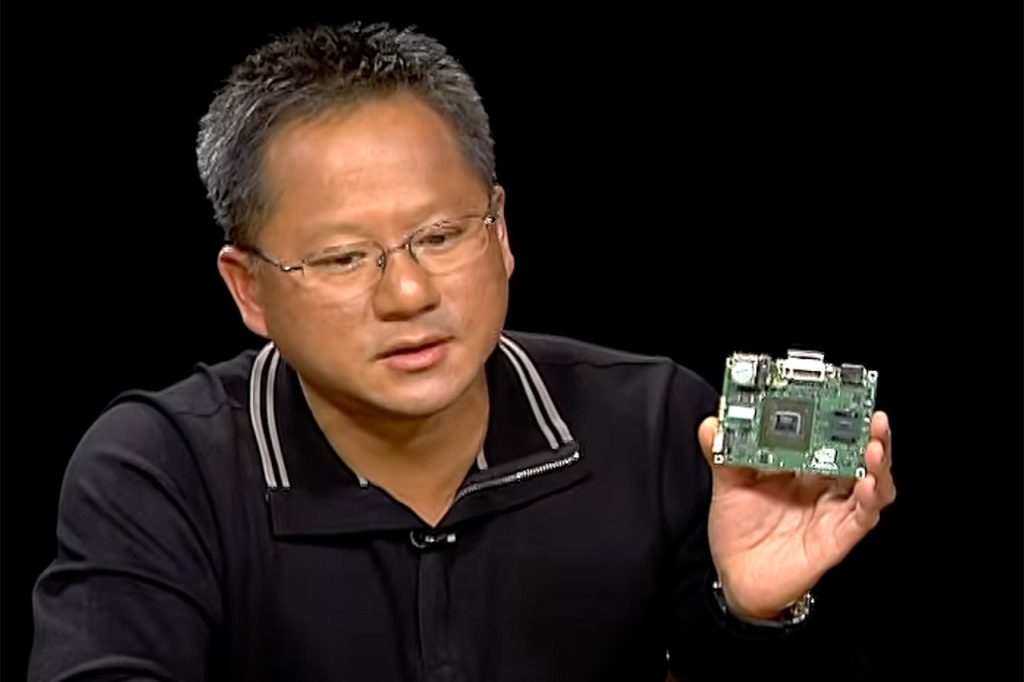
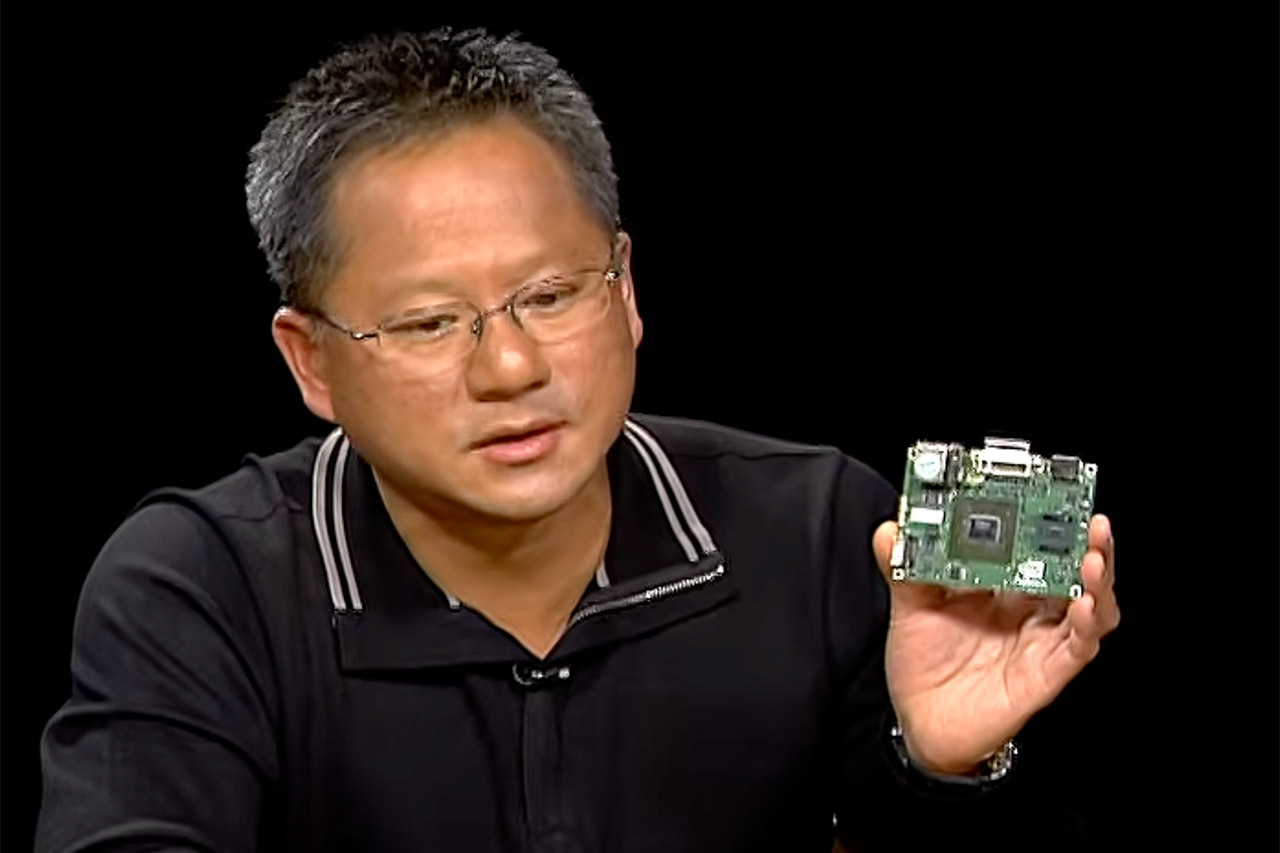
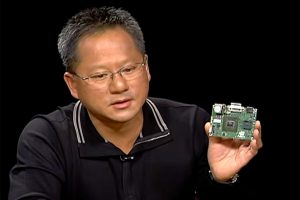
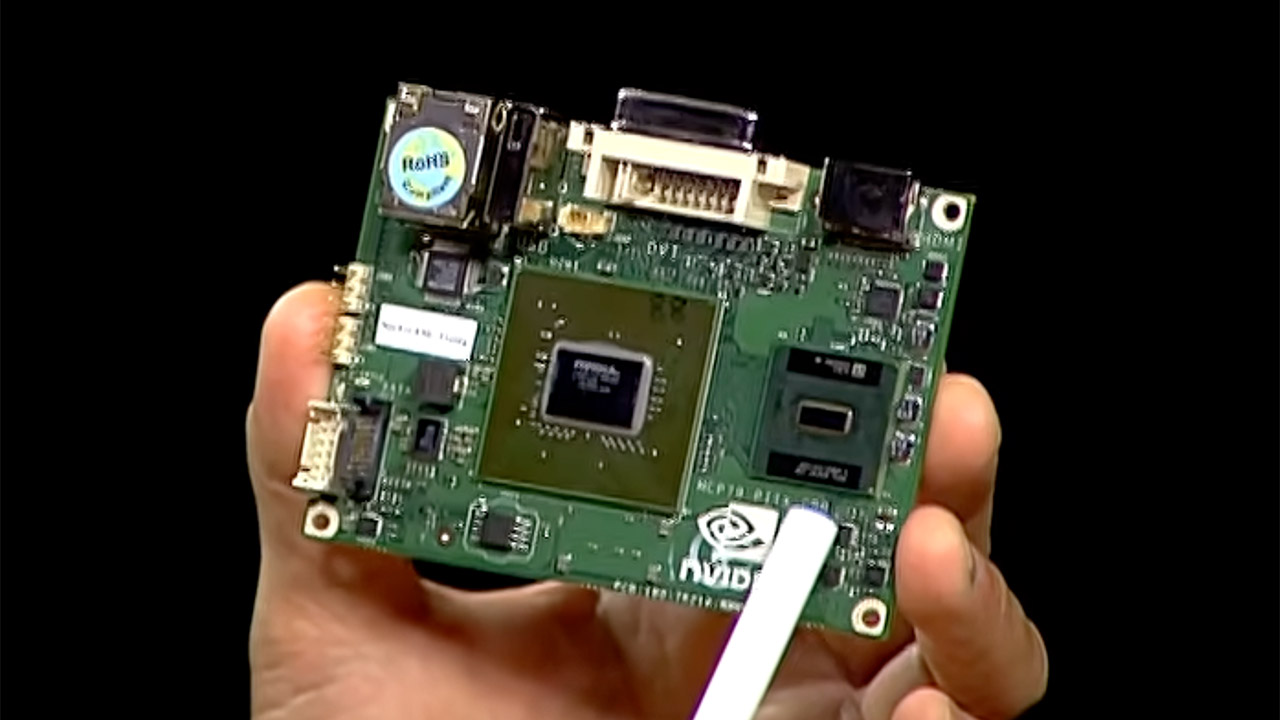
In February 2009, with markets still shaken by the financial crisis, NVIDIA co-founder and CEO Jensen Huang sat across from Charlie Rose and held up a circuit board no larger than a credit card. Two chips occupied it: an Intel Atom processor and an NVIDIA GPU containing sixteen smaller processors that delivered fifty-four gigaflops, fifty-four times the performance of the fastest supercomputer when NVIDIA was founded in 1993. Huang pointed to the board and said this is where the computer industry is going.
That small assembly already ran Windows Vista, high-definition video, and three-dimensional graphics while using very little power. Huang used it to emphasize a more significant change in how people used computers. For years, robots could do a good job with text and numbers, which is what traditional central processors do, but people were increasingly searching for genuine visual experiences, places they could enter and explore, and means to share those settings with others. NVIDIA’s GPU enabled all of this.

ASUS ROG Strix G16 (2025) Gaming Laptop, 16” FHD+ 16:10 165Hz/3ms, NVIDIA® GeForce RTX…
- HIGH-LEVEL PERFORMANCE – Unleash power with Windows 11 Home, an Intel Core i7 Processor 14650HX, and an NVIDIA GeForce RTX 5060 Laptop GPU powered…
- FAST MEMORY AND STORAGE – Multitask seamlessly with 16GB of DDR5-5600MHz memory and store all your game library on 1TB of PCIe Gen 4 SSD.
- DYNAMIC DISPLAY AND SMOOTH VISUALS – Immerse yourself in stunning visuals with the smooth 165Hz FHD+ display for gaming, creation, and…
Gaming only accounted for 20-30% of the company’s revenue. The rest reached medical imaging that lets doctors examine CT scans layer by layer for tumors and reduce false positives, energy firms that render hundreds of gigabytes of seismic data on large screens to locate oil reserves, next-generation automotive navigation such as systems for Audi, and military aircraft like the F-22 Raptor that uses multiple GPUs so pilots can detect threats faster.
Huang described the GPU as a device built to perform several calculations at the same time. Programmers can use the CUDA architecture for a variety of arithmetic tasks, including risk analysis, which can run 50 to 200 times quicker than a cluster of regular processors, as well as daily products such as Adobe Photoshop and Premiere. In fact, many universities, including Oxford, Harvard, and Berkeley, were already teaching the basics. A single GPU can complete a 60-hour operation in a matter of hours, making previously unthinkable real-time jobs much more practical. He predicted that as users became accustomed to the speed gains, parallel processing will alter the way software is written.
Huang was rather measured when it came to Intel. Intel saw that graphics processing was becoming increasingly crucial and invested in its own Larrabee technology. The tension, he explained, was all about who controls what happens next to the PC as it evolves from a typewriter or calculator to a medium for all these other things, such as photos, virtual environments, and various forms of art. However, NVIDIA does not produce microprocessors, and Intel does not produce GPUs. It was comparable to Microsoft and Google, two different companies striving for relevance as computing advances and evolves. The GPU will not destroy the CPU. Without the CPU there is no computer. We should stand on the shoulders of giants and take the industry further.
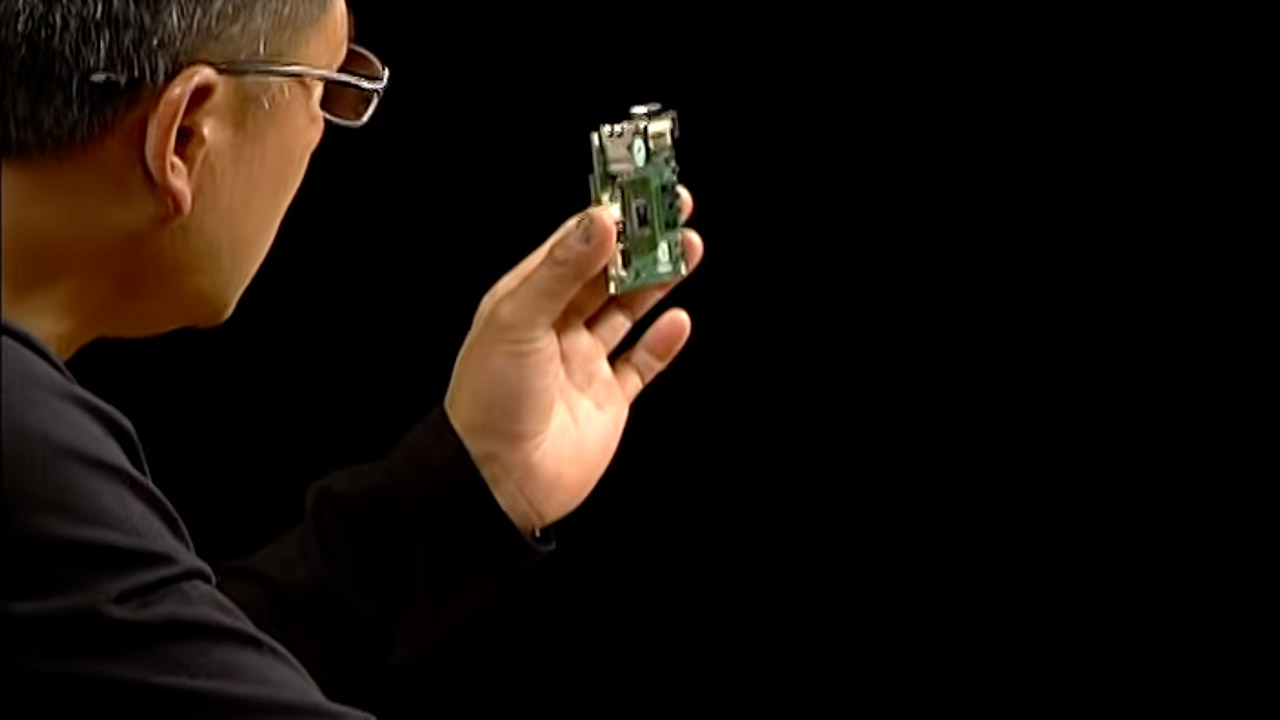
Even though NVIDIA was struggling during the recession, Huang decided to spend more on R&D that year than the previous year. He knew that visual computing was only getting started, and the task was too essential to slow down. He emphasized the possibilities, such as a car windshield that functions as a computer screen, supplementing real eyesight with created images. The small board he held already demonstrated how a low-power CPU and GPU combination could provide rich experiences in a small package. As it turned out, all of the observations he made a few years ago corresponded very closely to the transition in computing that put graphics processors at the heart of all AI research. Huang’s primary focus was on remaining relevant and tackling the most difficult challenges, rather than attempting to equal Intel’s size at the time, when NVIDIA’s market value was around $5 billion and Intel’s was nearly $80 billion.
Jensen Huang Held a Tiny Computer Board in 2009 and Declared the Future of Computing
#Jensen #Huang #Held #Tiny #Computer #Board #Declared #Future #Computing