Innovative 20-Legged Argus Robot Rolls Without a Compass
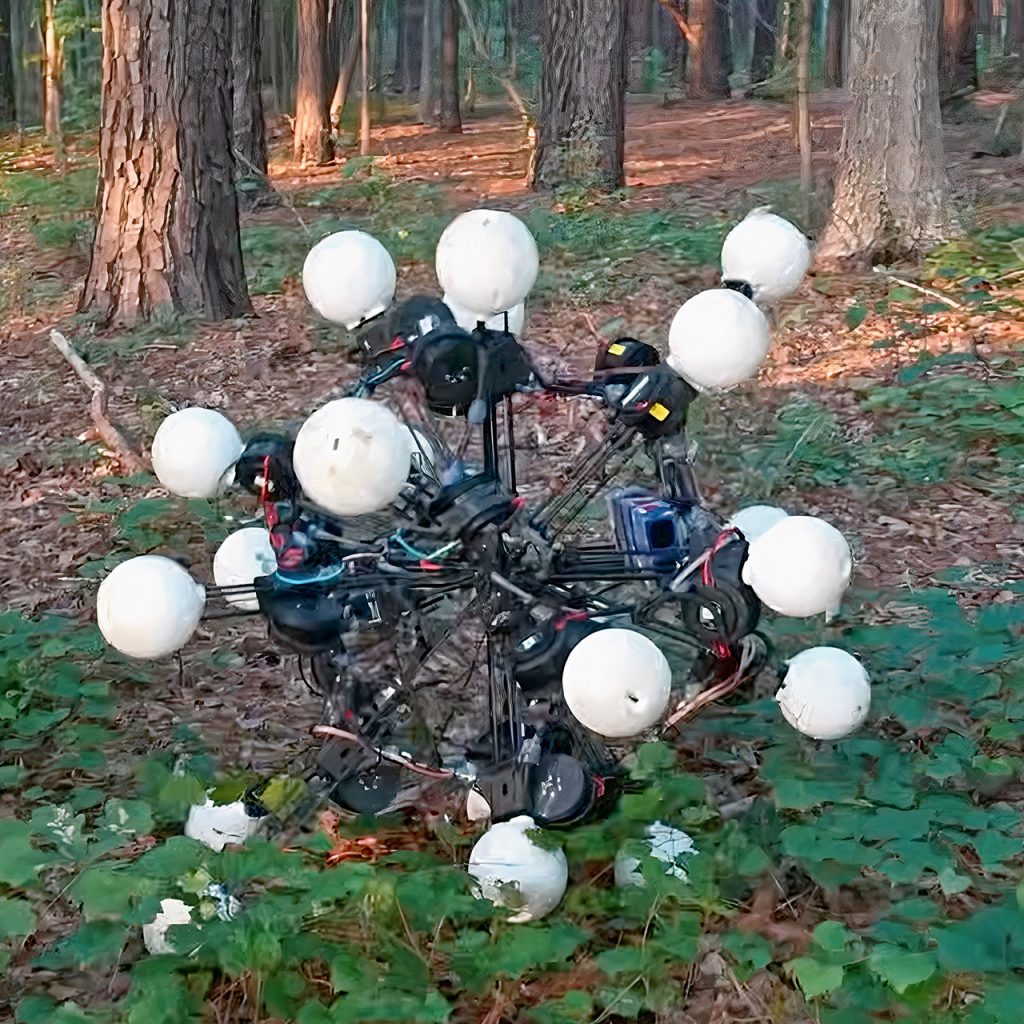

Engineers at Duke University built a family of robots around one steady goal. They wanted machines that could act with the same strength and quickness no matter which way the body pointed. The clearest working example carries twenty legs that reach outward from a central core. Each leg shortens or lengthens through a cable-driven mechanism. The legs sit in a pattern based on a twelve-sided geometric form, so they spread evenly around the machine. White rounded caps sit at the outer ends of many legs, and small depth cameras look outward from the tips. The finished shape looks rounded and bristling, not unlike a sea urchin resting on the ground.
This rather even distribution of legs makes all the difference, since the robot can change speed or direction with surprising ease in any direction, rather than favoring one or two major lines of movement and needing to determine which side is stronger. Argus just determines where it wants to travel next and directs the force to the appropriate location, while its entire structure remains balanced and upright for whatever happens. Flat floor tests at home revealed smooth navigation and quick recovery after a bump or tumble. Even if one, two, or three legs stop operating, the others simply adjust and the machine continues to roll as long as you maintain your footing. They tested it on a variety of terrain, including sand that gives way underfoot, grass that gets the lower portions tangled up, forest floors packed with leaves and roots, and even concrete areas. The contraption has some give, so it can simply power through obstructions and bounce off, something most other machines would require a reset for.
Unitree R1 Humanoid Robot (Red, R1 Air)
- Three models, one lightweight platform R1 Air (20 DOF, monocular camera), R1 (26 DOF, binocular camera, head+waist joints), and R1 Edu (26 DOF…
- Easy setup – no coding required for basic use Unbox, power on, and start. Manual teaching feature: physically pose the robot, and it replays the…
- More DOF = more expressive movement 26‑DOF models (R1 / R1 Edu) add head and waist articulation for smoother dance and running. For safety reasons…
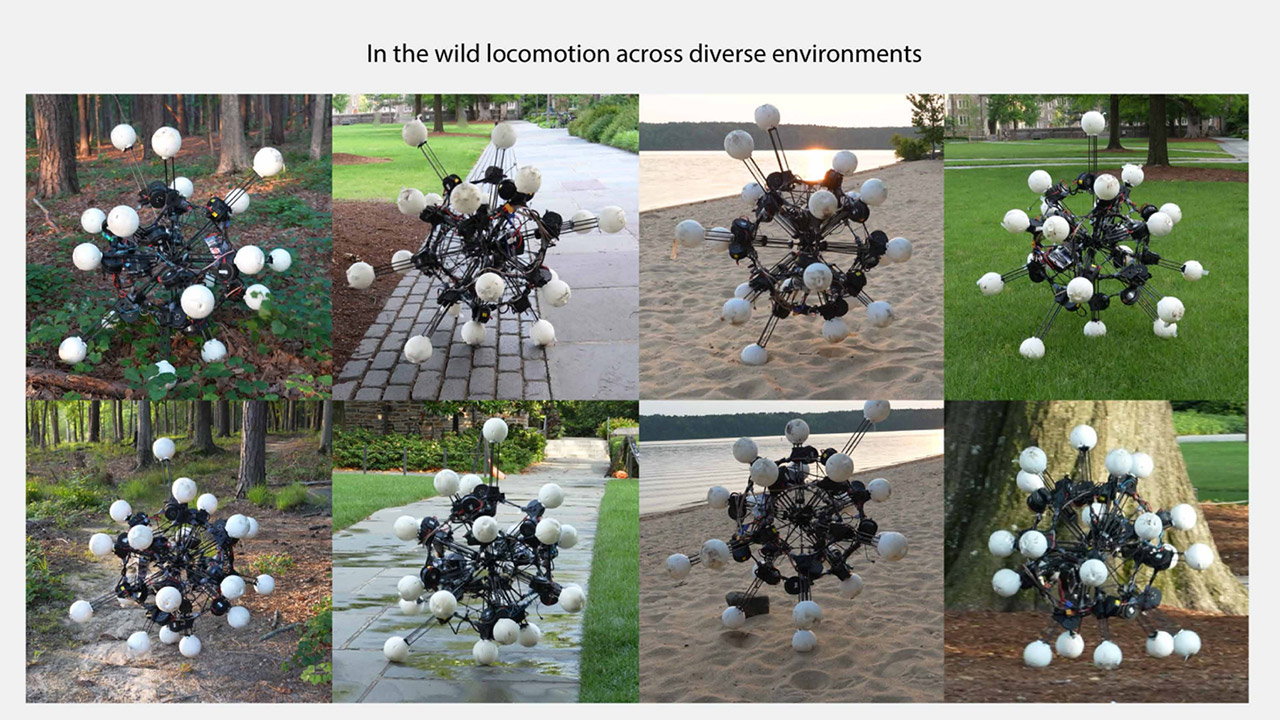
Cameras installed on the legs operate even while the robot moves. They’re giving information about the space surrounding it from all angles at once, so it has a fairly full image. In one set of experiments, they had the robot approach a large box, keep it in sight, then just roll past, with no hesitation or readjusting required. The same researchers attempted to run this ‘balanced approach’ under simulated low-gravity circumstances. During those tests, the robot pressed certain legs against two walls to keep itself stable, then used others to give it some weight and climb higher. Throughout those rough-terrain outings, it would frequently receive a big bump or shove, but the robot was OK; no need for an outside hand to sort it out.
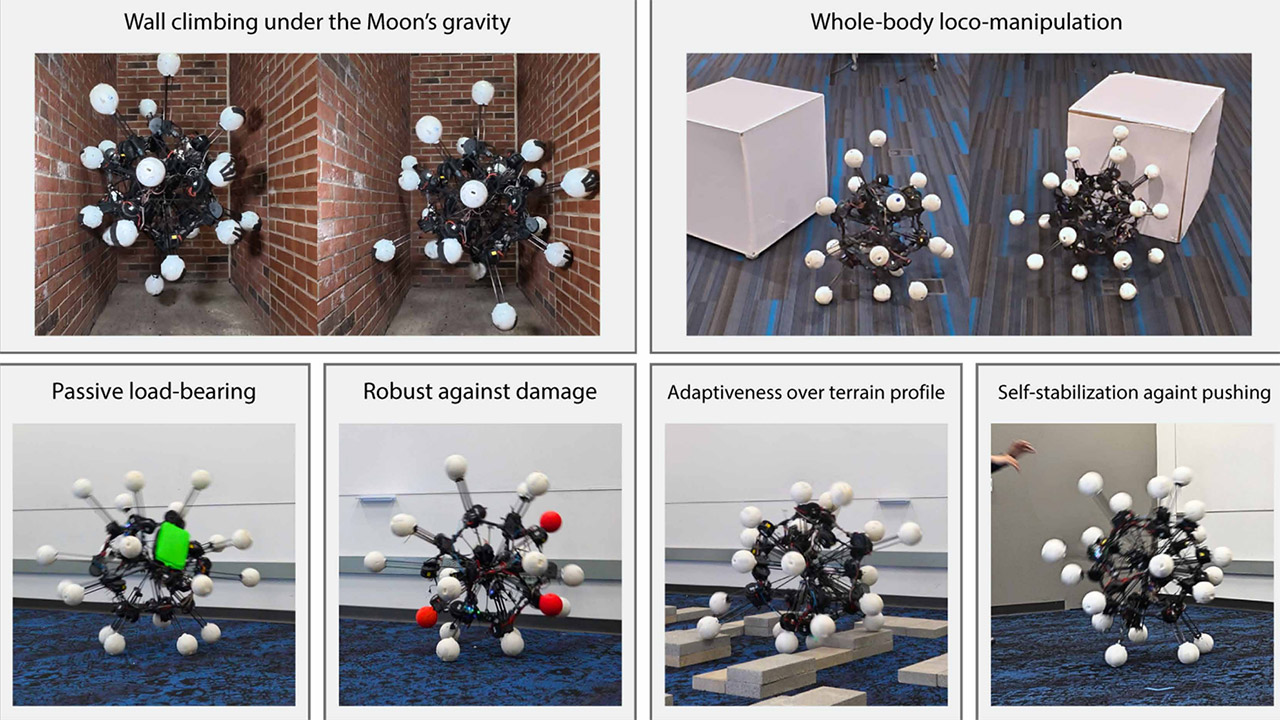
Before settling on the 20-leg variant, the researchers ran over a thousand alternative leg combinations through computer models. They were looking for a layout that would evenly distribute acceleration forces in all directions. The actual machine they created came quite near to that objective while being practical and easy to power.
[Source]
Innovative 20-Legged Argus Robot Rolls Without a Compass
#Innovative #20Legged #Argus #Robot #Rolls #Compass