How Starship V3 Turned Supersonic Exhaust Into Sky Ripples (Shock Waves) You Can Actually See
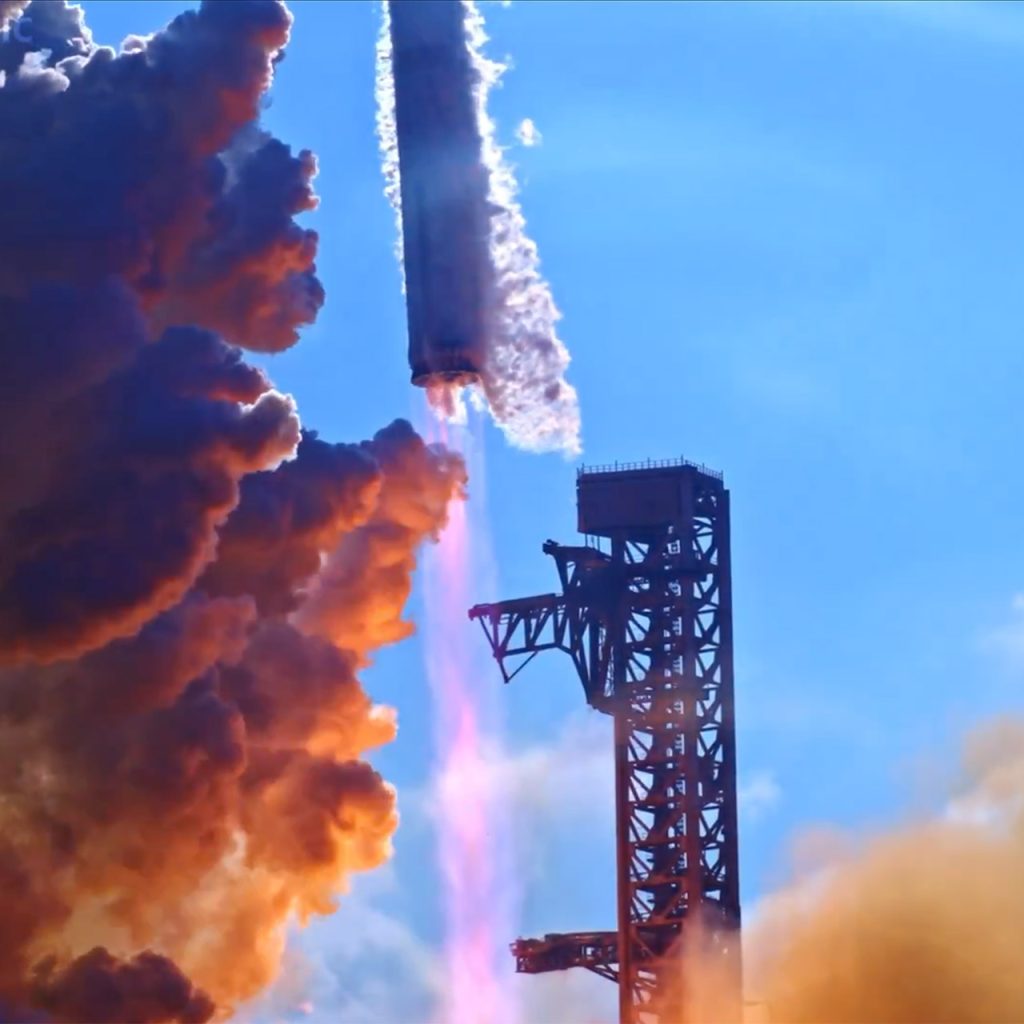
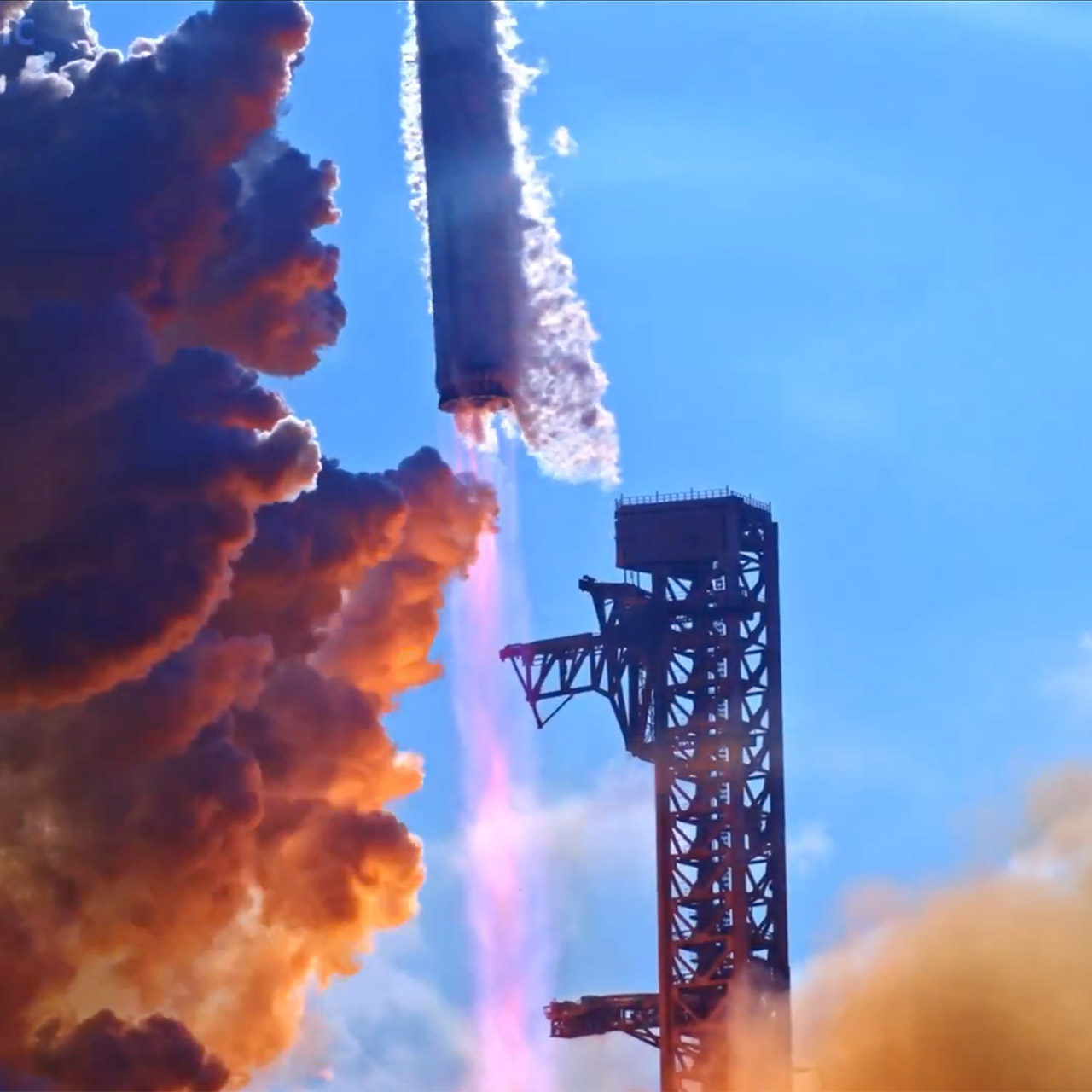
Cameras positioned on the dunes just outside the new launch pad at Starbase captured something striking during the first flight of the upgraded vehicle on May 22. In normal playback SpaceX’s Starship V3 rocket rises on a column of fire and smoke. At 120 frames per second the same moment stretches into a slow, clear sequence where arcs of disturbance expand through the smoke, race outward across open ground, and keep moving into the air above.
The arcs you see are created by the booster engines releasing exhaust gases at blistering speeds much beyond the speed of sound. That’s where things get interesting, because when that very rapid stream of hot exhaust contacts the pad’s still air and solid structures, it forms an instant shockwave, a barrier in which all of the air pressure, temperature, and flow speed change extremely quickly. The shockwaves extend outward in all directions from the rocket’s base.
It just so happened that morning in South Texas, the air was nice and dam. It was the ideal combination to make the shockwaves visible. In lower pressure zones, air rushes past the shock front, cooling almost instantly. Water vapour cools fast and condenses into little droplets, resulting in a brief, faint mist. This provides a good understanding of how each wave appeared and moved as it developed, reflected, and faded away. You would not have noticed it if there hadn’t been any dampness.
The new V3 has thirty-three Raptor engines, all built on a refined design that provides somewhat more thrust than the previous models. The maiden flight on that behemoth took off from Pad 2, a brand-new facility with its own flame deflector and water system. Even with all of this in place, the exhaust’s raw power is simply too much for the surrounding air to handle quietly. The sheer force of it all created these powerful pressure pulses, which were then shot up into the smoke cloud, altering its density and causing the colors to flicker and shift as the light traveled through all of the different thicknesses.
Other cameras in the sky captured similar ripples traveling over the cloud layers as the rocket climbed. Those same pressure disturbances continued to flow upward and outward, bending sunlight and briefly giving the impression that distant clouds were crossed by rings moving over the lake. These higher waves were created by the rocket’s residual exhaust plume and its rising rate of pushing air out of the way as it climbed.
[Source]
How Starship V3 Turned Supersonic Exhaust Into Sky Ripples (Shock Waves) You Can Actually See
#Starship #Turned #Supersonic #Exhaust #Sky #Ripples #Shock #Waves