Webb Telescope Confirms Black Holes Cloaked in Gas Cocoons Powering the Early Universe’s Strange Red Glow
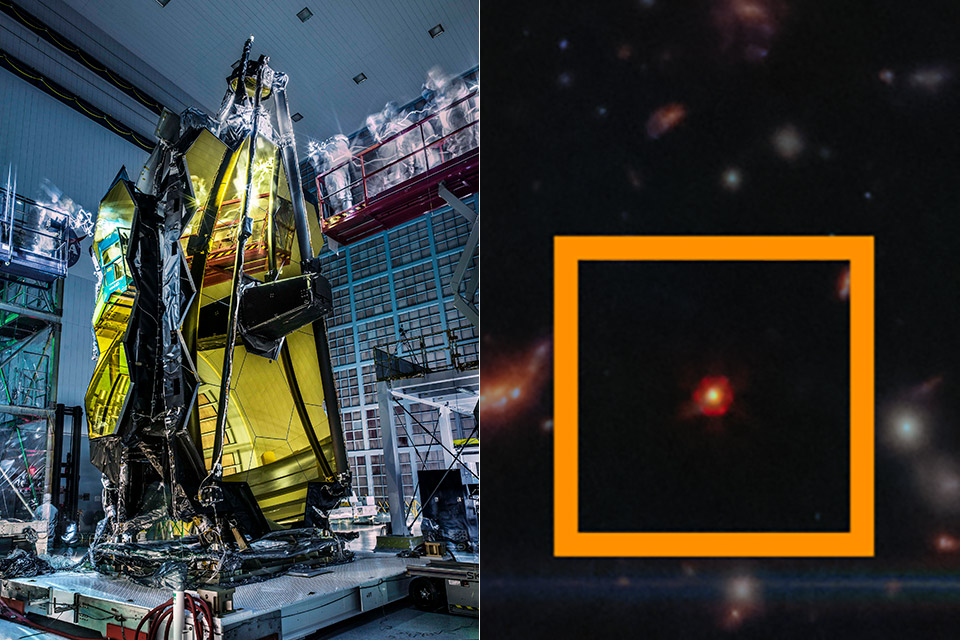
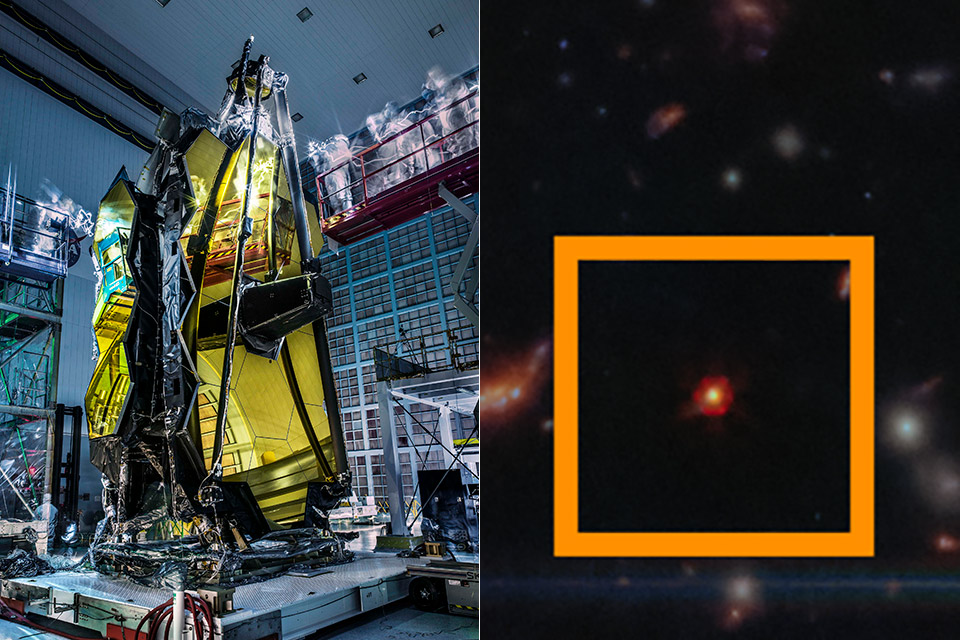
Astronomers aimed NASA’s James Webb Space Telescope at a distant galaxy cluster called Abell S1063 with one goal in mind. They wanted to hunt for some of the very first stars that ever formed. What the telescope delivered instead turned out far more revealing. Tucked behind the cluster sat a faint red object known as GLIMPSE-17775. Gravity from the foreground cluster acted like a natural magnifying glass, stretching a 30-hour observation into the effective power of an 80-hour exposure. The result gave researchers the deepest spectrum ever captured of one of these mysterious little red dots.
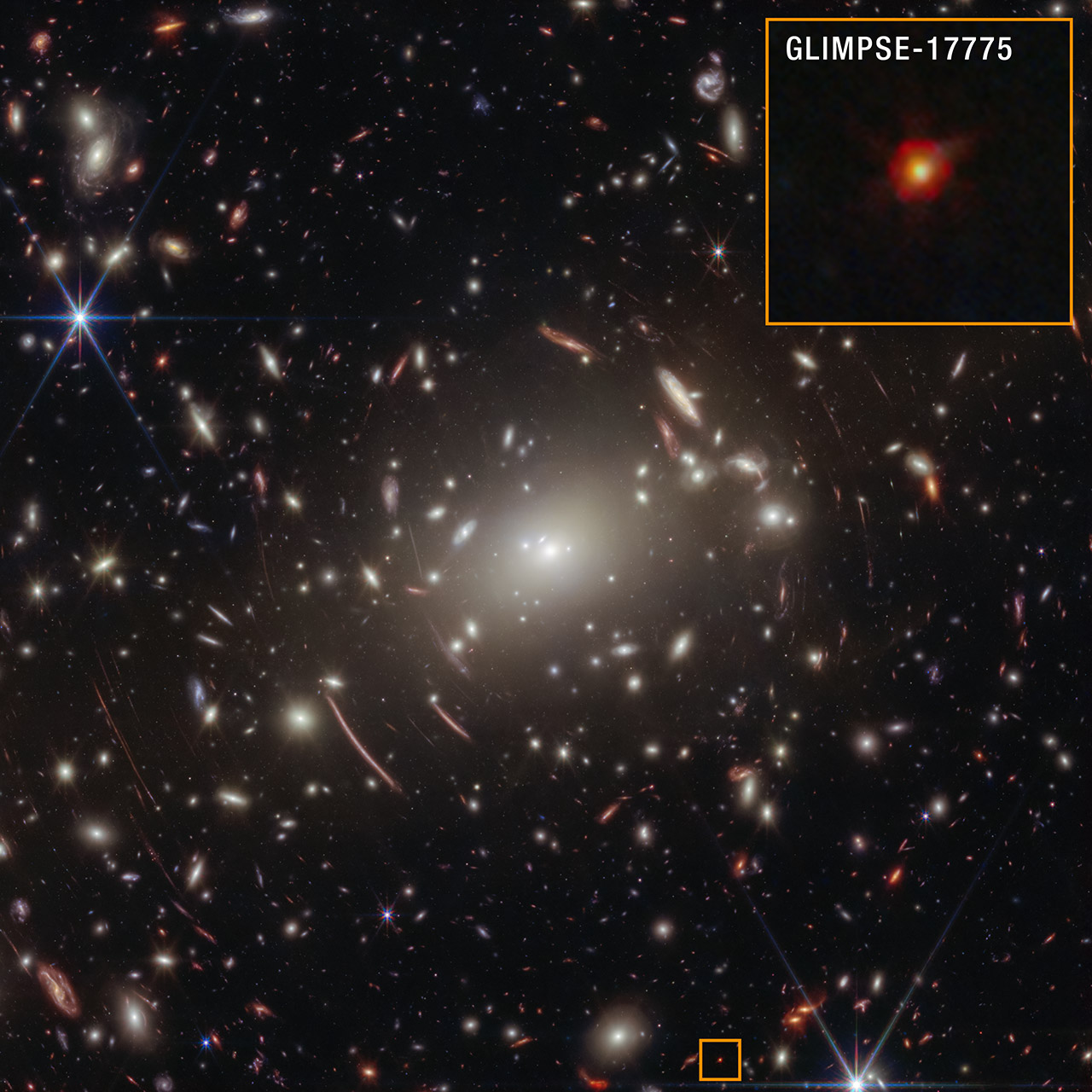
Hundreds of unassuming little red dots kept appearing in Webb’s panoramic views of the emerging universe. They blazed brightly in infrared light but were difficult to understand. Their colors and brightness levels simply did not match the ordinary galaxies and stars of the time, unless large, painful changes were made to the rate at which everything was supposed to expand. Then a new spectrum emerged, and everything changed. Over 40 separate lines of light could now be seen, radiating from diverse elements such as hydrogen, oxygen, and helium, as well as a dense thicket of these 16 iron lines, forming a comprehensive fingerprint. The shape of the lines supplied additional insights. They appeared larger than you’d anticipate from simple motion around a central item.

LEGO Icons NASA Artemis Space Launch System – DIY Rocket Model Building Set for Adults, Ages 18+ – Gifts…
- NASA rocket model kit – Launch into a creative project with the LEGO Icons NASA Artemis Space Launch System model building project for adult space…
- What’s in the box? – This creative building set includes everything you need to craft a multistage rocket with 2 solid-fuel boosters, an Orion…
- Features and Functions – This NASA-themed rocket model features retractable launch tower umbilicals, rocket support and crew bridge, detachable…
The extra width is created by light bouncing off unbound electrons in a dense layer of gas. This only happens under certain conditions: a dense, hot cocoon of partially ionized gas creates a light-scattering effect akin to what we’re experiencing. The same gas layer absorbs intense radiation from a central powerhouse, converting it to the redder wavelengths that Webb spotted so easily. If you see helium and oxygen line patterns, you can assume that the core has a high-energy engine. That would be a rapidly accreting supermassive black hole, which is exactly what you need. Gas pouring toward the black hole generates enormous amounts of energy, which is absorbed by the surrounding cocoon before being radiated at longer wavelengths. This also explains why other telescopes only detect a trace of high-energy radiation from these objects.
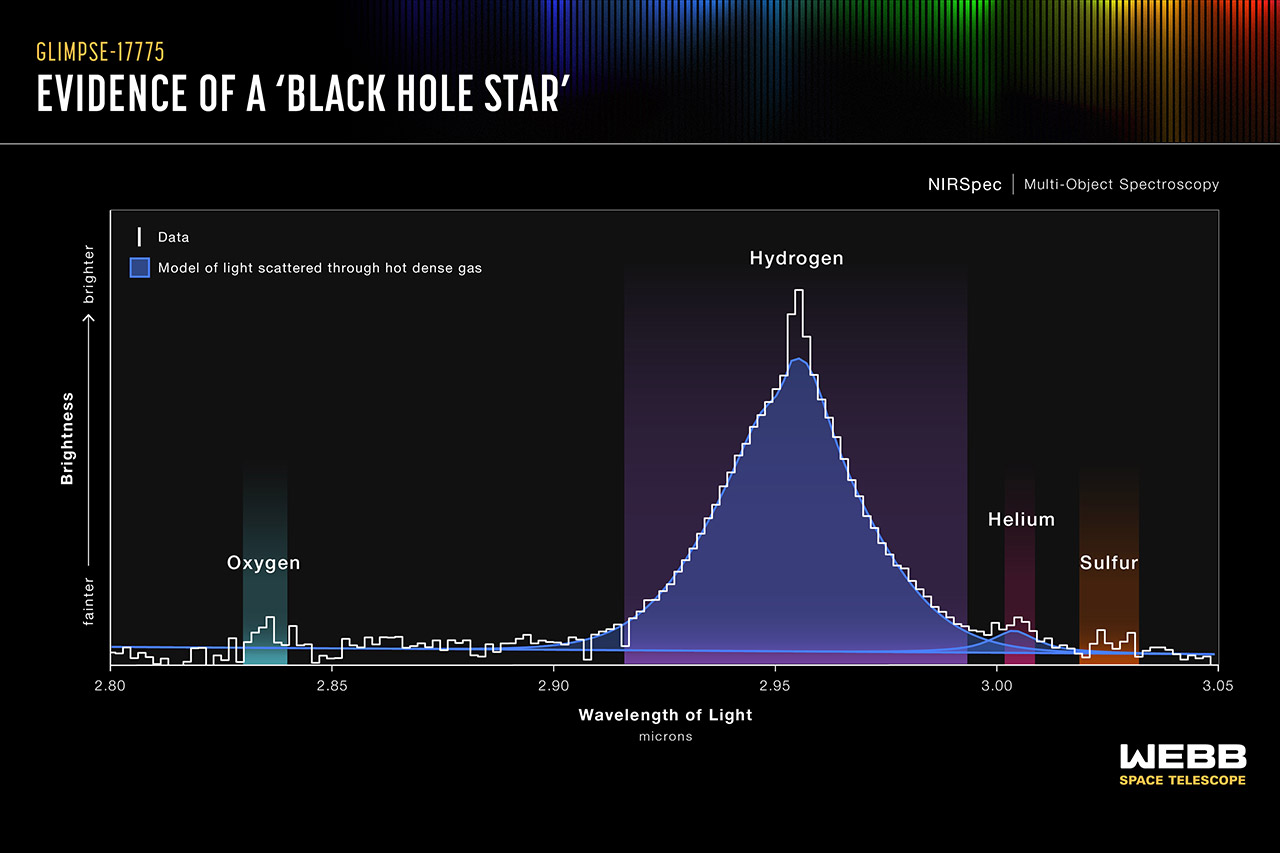
Vasily Kokorev, the lead researcher at the University of Texas at Austin, explained how it all came together. The spectrum had just arrived and looked like a chaotic collection of puzzle pieces. When you measure and match each one, you get one beautiful, unified picture instead of all these competing criteria. This single object possessed all of the major signatures predicted by the black hole star hypothesis. A supermassive black hole is growing within a dense gas shell, affecting all we see. In this case, no arbitrary assumptions about the mass of the black hole or the birth of the galaxy are necessary; the timeline of the early universe remains constant.
Webb Telescope Confirms Black Holes Cloaked in Gas Cocoons Powering the Early Universe’s Strange Red Glow
#Webb #Telescope #Confirms #Black #Holes #Cloaked #Gas #Cocoons #Powering #Early #Universes #Strange #Red #Glow