Jesus’ ‘miracle town’ may have been found in huge archaeology breakthrough
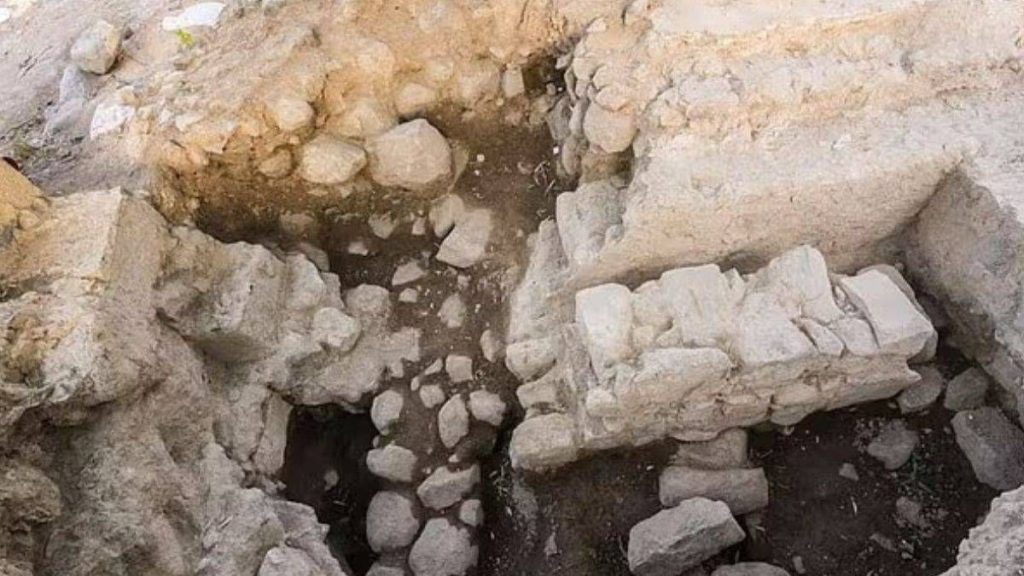
Archaeologists believe they may have uncovered the long-lost biblical settlement of Bethsaida at the Sea of Galilee — a village intimately connected in the New Testament to several of Jesus’ reported miracles

The dig has made an incredible discovery(Image: Museum of the Bible)
Archaeologists digging along the shores of the Sea of Galilee reckon they may have unearthed the long-lost biblical town of Bethsaida, a village closely linked in the New Testament to several reported miracles of Jesus.
The fishing village on the northeastern coast of the Sea of Galilee played a crucial role in Jesus’ ministry, serving as the setting for numerous miracles and healings, including the restoration of sight to a blind man.
The New Testament portrays the site as the birthplace of apostles Peter, Andrew, and Philip.
After years of comprehensive fieldwork, archaeologists have announced a series of finds that seem to connect the site to the biblical town.
These include the remnants of a Byzantine-era church, pieces of a first-century home beneath its foundations, Roman-era fishing gear, and a mosaic inscription mentioning Saint Peter as a significant figure amongst the apostles, reports the Express.
Steven Notley, Academic Director of the El Araj Excavation Project, stated that the evidence has become increasingly convincing, arguing that the discoveries collectively pinpoint El-Araj as Bethsaida, a location long debated amongst scholars.
During a lecture at the Catholic Information Center in Washington DC on May 5, he outlined years of excavation work at El-Araj, a project that commenced in 2016, have now “essentially confirmed” the identification of the site as Bethsaida, the lakeside settlement mentioned repeatedly throughout the New Testament.
Amongst the most extraordinary discoveries is a house wall dating back to the first century, found beneath the apse of a later church structure.
Mr Notley told EWTN News: “So, we have a first-century house wall under the apse. It doesnt have a plaque on it that says ‘Peter slept here,’ but from a perspective of archaeology, it doesnt get much better than that.”
In 2025, a wildfire swept through the area, unexpectedly clearing away thick vegetation and exposing additional stonework, pottery fragments, and buried architectural features. These finds provided further support to the identification of the site.
According to the Gospels, it was the scene of the miraculous Feeding of the 5,000, the walking on water, and a remarkable two-stage healing of a blind man.
While Bethsaida is thought to have been located on the northern shore of the Sea of Galilee, its exact position remains a subject of scholarly debate. Since the 19th century, academics have proposed three main contenders: Messadiye, El-Araj, and et-Tell.
Over time, El-Araj and et-Tell have garnered the most support, although disagreements continue due to differing interpretations of the archaeological evidence.