World Cup captains to take stance against hate speech amid soaring social media abuse
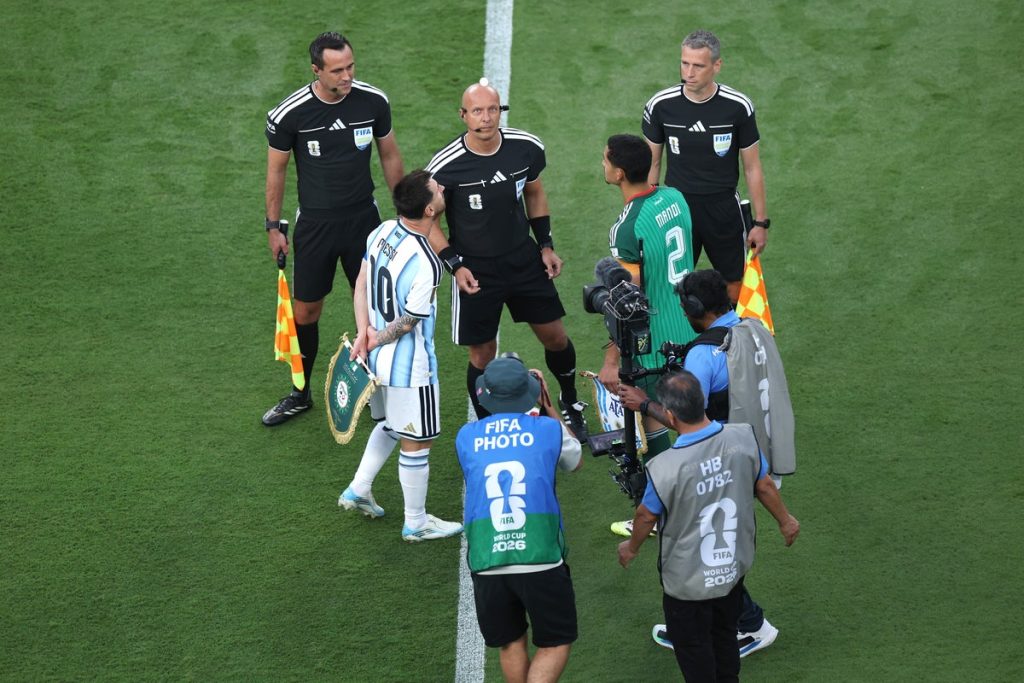
Football captains competing in Thursday’s World Cup fixtures will make a visible stand against discrimination, exchanging special pennants to mark the International Day for Countering Hate Speech.
The initiative comes as Fifa revealed it has blocked hundreds of thousands of abusive posts during the tournament.
The pre-match exchange will take place across all four of the day’s matches: Czech Republic against South Africa, Mexico against South Korea, Switzerland against Bosnia-Herzegovina, and Canada against Qatar.
Organisers confirmed the pennants will bear the slogan “We Play Together. We Stand Against Hate,” written in English on one side and the teams’ native languages on the reverse.
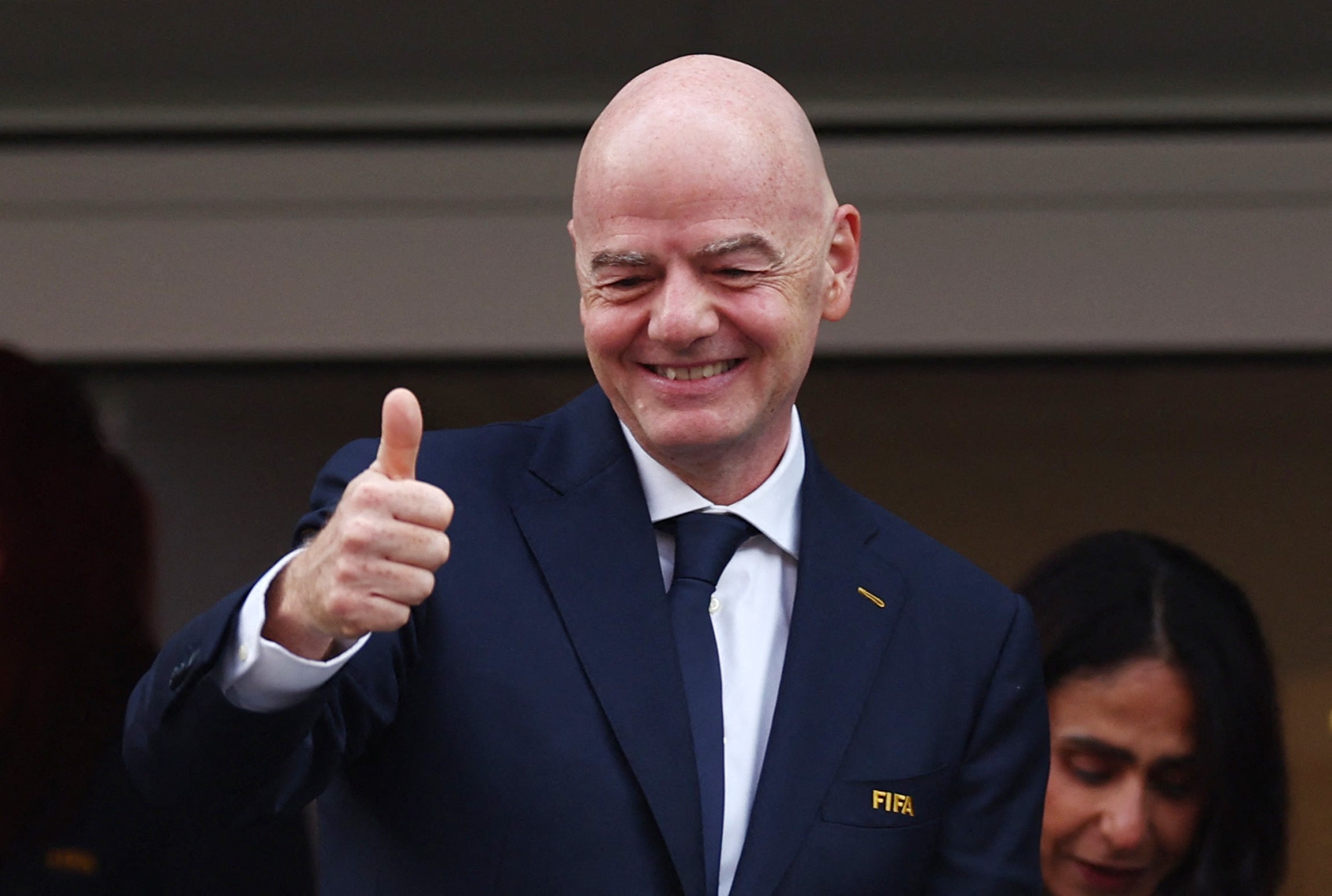
This move underscores football’s world governing body’s ongoing battle against escalating online abuse.
Fifa reported that its automated social media protection service, first launched ahead of the 2022 World Cup in Qatar, has now removed more than 30 million abusive posts and comments in total.
Since 11 June, the service has deleted 388,000 harmful posts at the current 2026 tournament, already surpassing the 287,000 removals recorded across the entirety of the 2022 event.
Officials added that further anti-discrimination campaigns and stadium activations are scheduled to run throughout Thursday’s match schedule.
Fifa’s initiative comes after the governing body has faced criticism at this summer’s tournament over ticket prices and newly-implemented hydration breaks during every game.
There have been hundreds of empty seats spotted at several matches, including the game between South Korea and Czech Republic on the opening day of the World Cup.
Fifa responded by claiming some fans had opted to watch the game from the concourse instead, as they defended their attendance figures.
Meanwhile, loud boos were heard during England’s clash with Croatia on Wednesday when the referee signalled for hydration breaks in each half.
The breaks have proved highly contentious, with some critics arguing they severely disrupt the natural flow of the game, while others perceive their introduction as a cynical manoeuvre to divide matches into four quarters, thereby creating more lucrative advertising opportunities for broadcasters.
England supporters had previously taken to social media to declare their intention to protest, and the anticipated boos erupted from both sets of fans the moment referee Clement Turpin signalled the break in the 22nd minute, and again midway through the second half.