Neuralink Threads Its Way Straight Through the Brain’s Armor
Neuralink has taken a clear step toward simpler brain implant surgery. In May a team at University Health Network’s Toronto Western Hospital carried out the company’s first transdural procedure on a clinical trial participant. Within an hour of the operation the person began moving a computer cursor using only thoughts. Recovery followed the expected path with no surprises.
The dura mater is a thick, protective membrane that wraps around the brain like a shield. It is thicker than a good piece of leather and serves to protect the delicate tissue inside from regular knocks and bumps. In the early days of Neuralink surgeries, as with most traditional brain operations, surgeons had to clip or peel aside a section of this membrane to reach the cortex. The extra procedure, a durectomy, adds a lot of time to the operation and required extremely cautious hands because the membrane is quite thick, the brain is sloshing around inside, and the blood arteries are hidden from view.
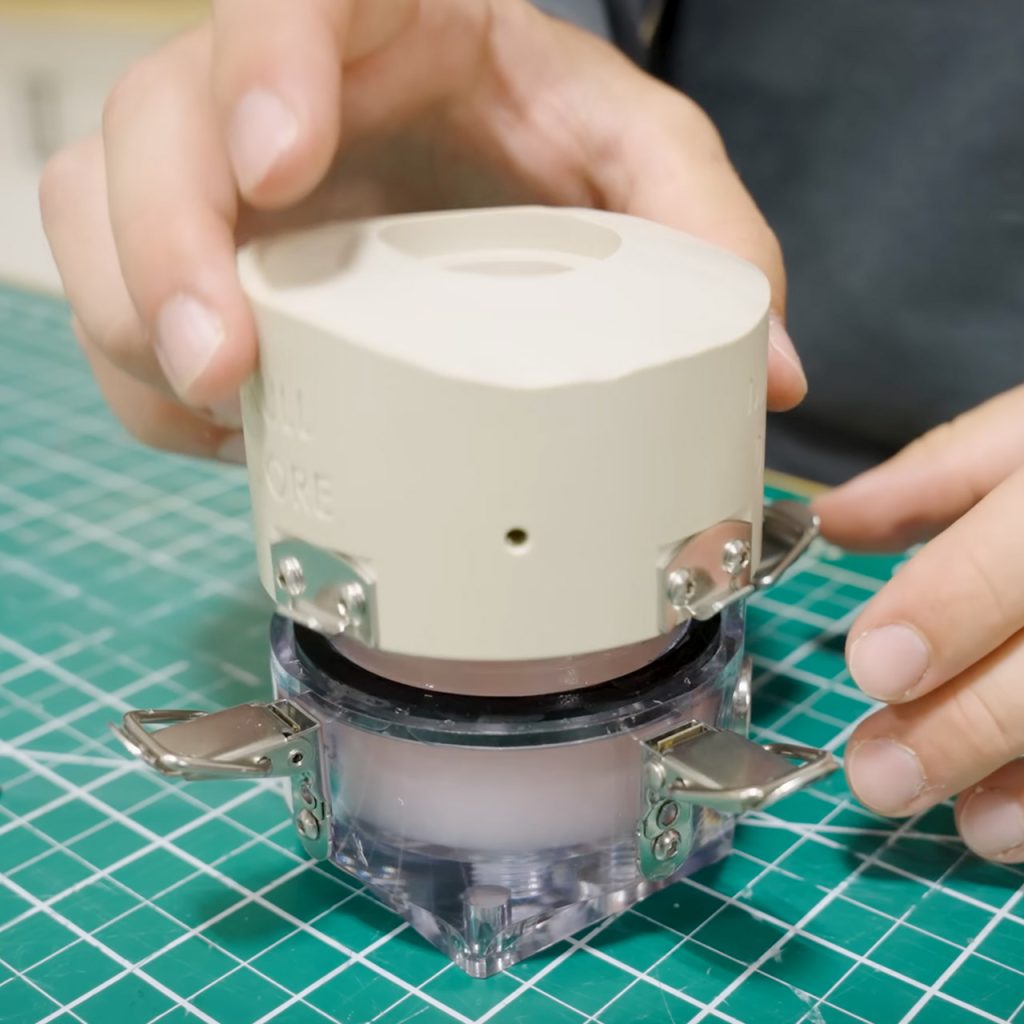
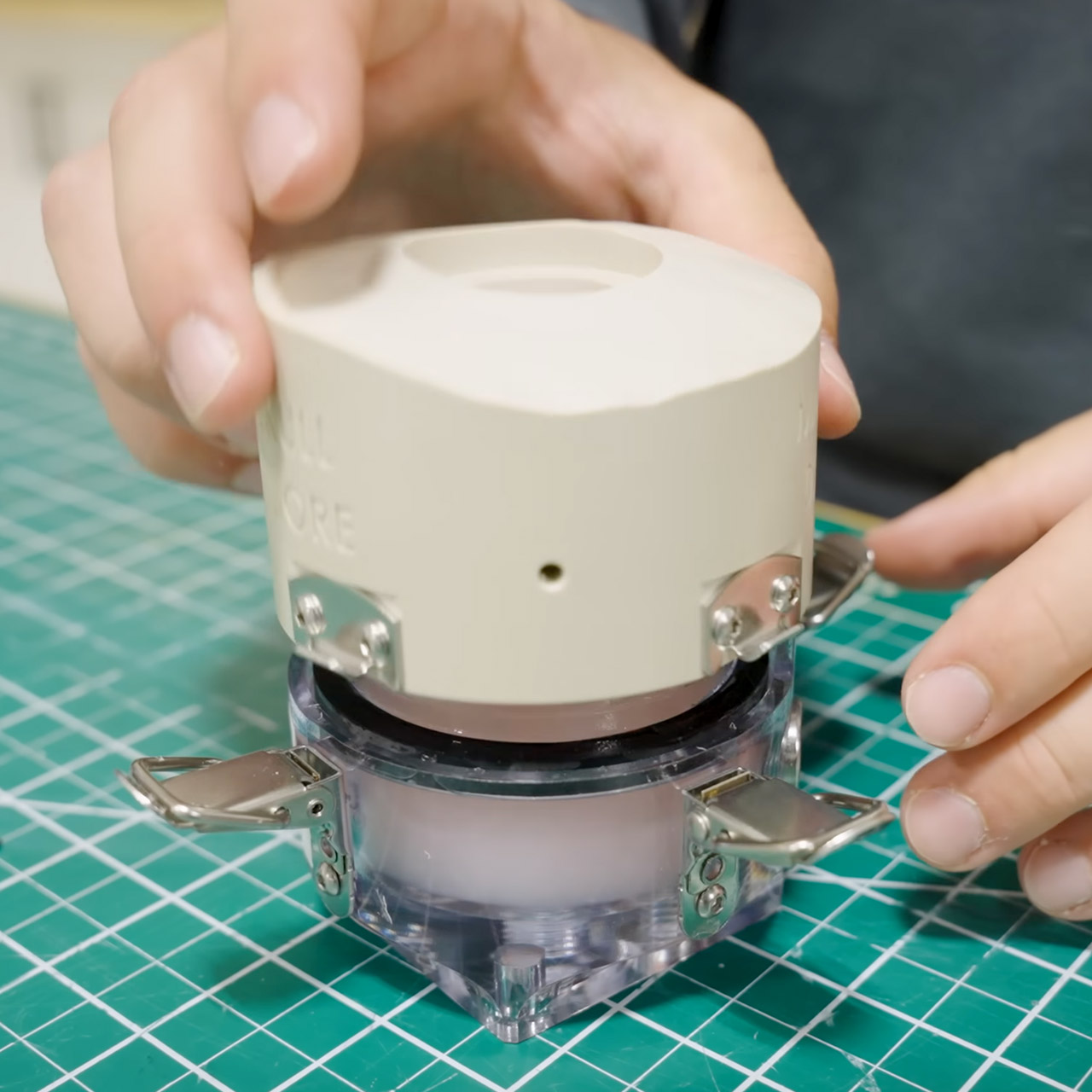
This time, the team was able to leave the dura intact, which was quite a change, since the surgical robot just drove its hair-thin electrical threads directly through the membrane and into the cortex underneath without ever touching it with a knife or pulling it back. This minor adjustment removes one of the most sensitive aspects of manual dexterity from the operating room. Getting to this stage was no easy task, as the team had to undertake a lot of new engineering on the initial needle to make it powerful enough to pierce the dura consistently. They ended up enlarging it somewhat and then spending hundreds of hours testing synthetic membranes that matched the genuine thing in terms of thickness and puncture resistance. They also developed new imaging capabilities that enabled the robot to work while the membrane was still in place.
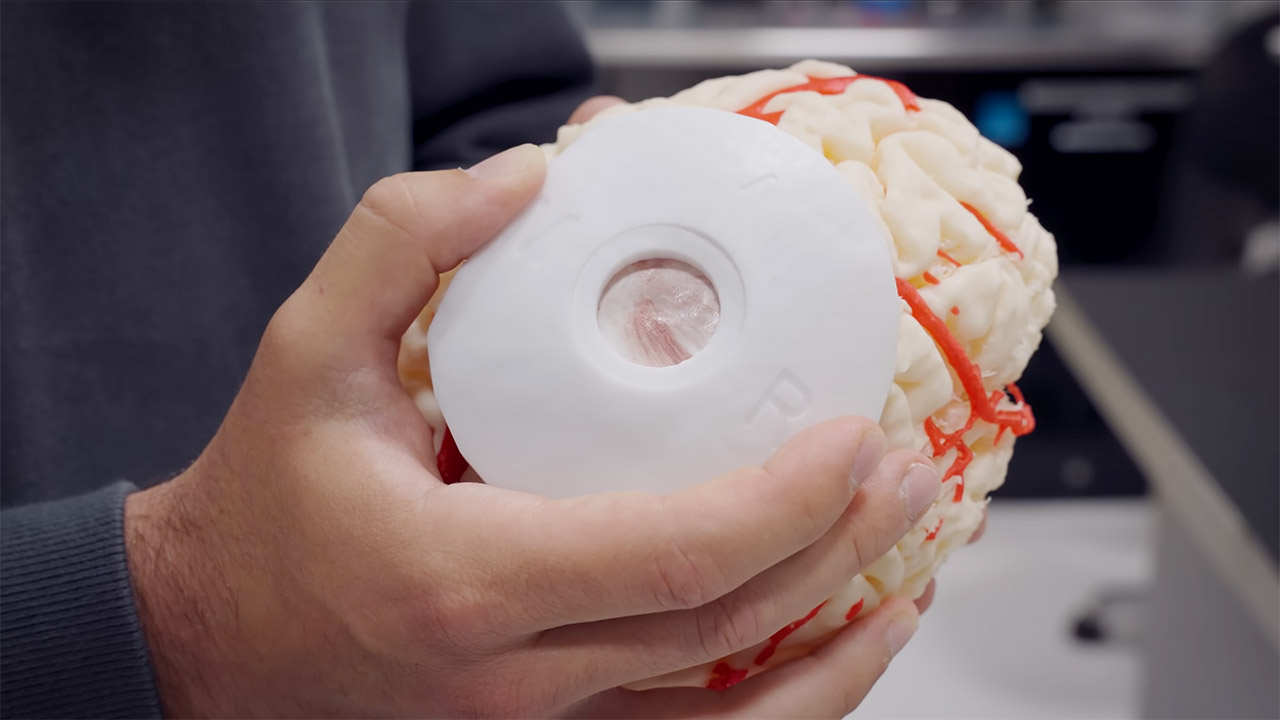
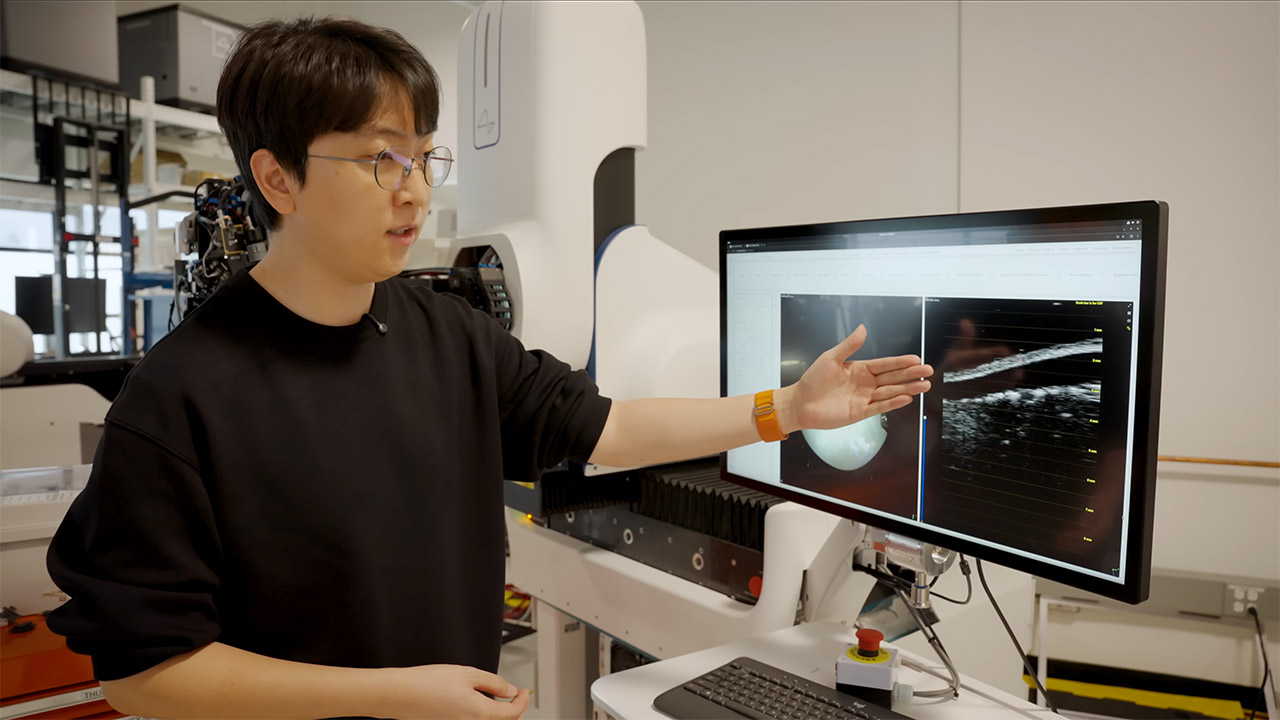
One tool uses a dye injected into the bloodstream and then infrared light illuminates all of the blood vessels through the dura, allowing the robot to delicately thread its way around them. Another approach employs a laser to bounce back a measurement of the distance from the top of the dura to the surface of the moving cortex, all while allowing for the brain’s natural squishing. The robot uses these live maps to place the threads precisely without damaging any blood vessels. The opening in the skull remains small, roughly the size of a quarter. Once all of the threads are in place, the implant is secured and the skin closes. The entire process feels more tighter and more simplified than previous versions, where the dura was trimmed.
This person took part in Neuralink’s current clinical trials, which are aimed at patients suffering from paralysis caused by spinal cord injuries or ALS. The speedy restoration to cursor control indicated that the threads were sending signals immediately, and doctors watched recovery and found nothing strange, since the new strategy appeared to operate perfectly. Neuralink put it quite simply: the best step is no step at all. Removing the dura cut makes the entire process much safer and more repeatable, pointing toward surgeries that stay safer and repeat more easily when more patients come forward.
[Source]
Neuralink Threads Its Way Straight Through the Brain’s Armor
#Neuralink #Threads #Straight #Brains #Armor