Gamer Recreates Sony’s Abandoned PS3 Boomerang Controller as a Fully Working Device
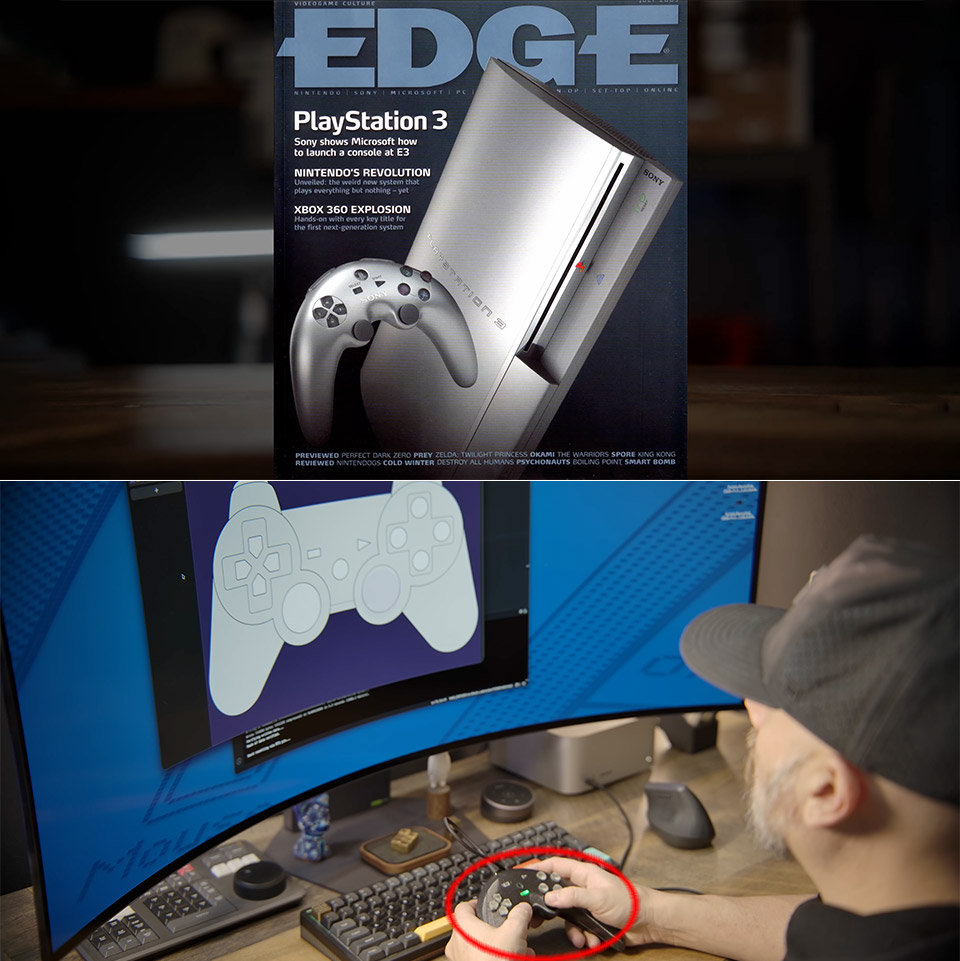
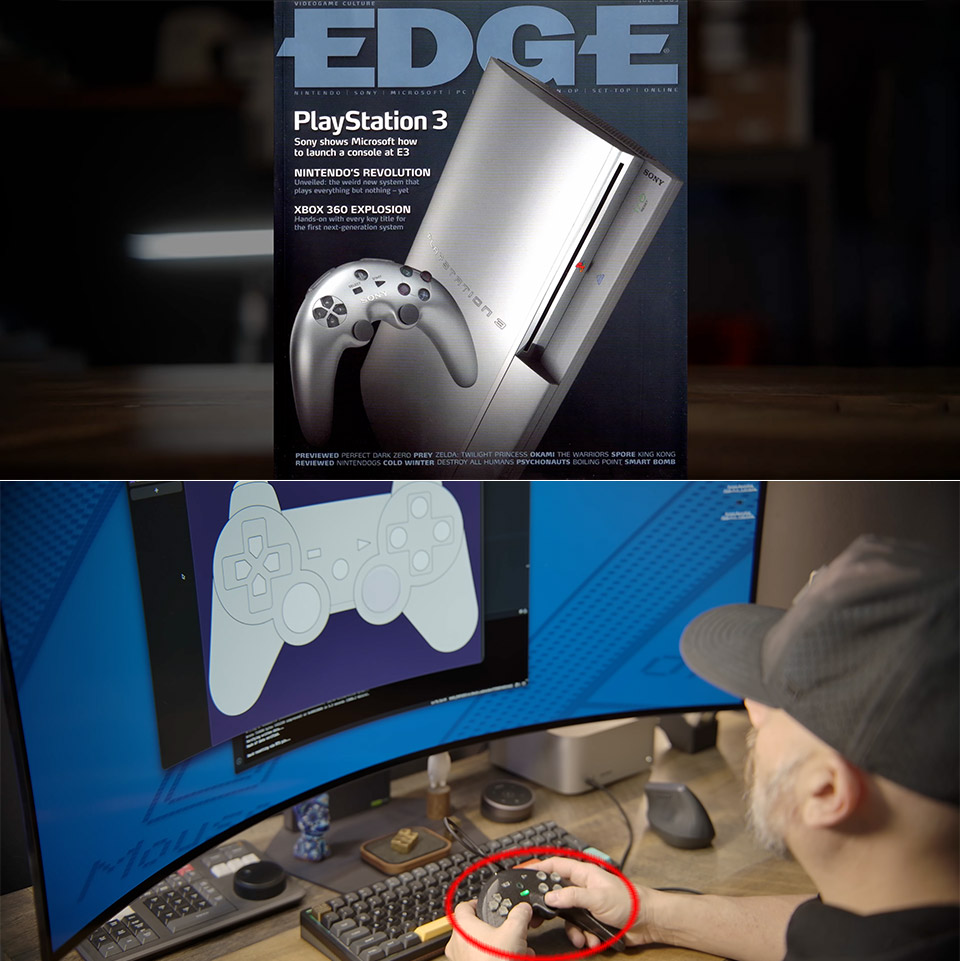
Sony placed a curved controller next to the PlayStation 3 prototype on the E3 2005 show floor and labeled it a concept. Designers under Ken Kutaragi had prioritized a striking silhouette over familiar grips, accepting the risk that players used to DualShock pads might reject the form. Mockery arrived quickly in the form of memes that compared the shape to a banana or a comic-book weapon. Sony later confirmed the piece had never been intended as a shipping product, then settled on a design that preserved the classic layout for backward compatibility and muscle memory. For two decades the original remained a still image in old coverage.
Polymatt decided the long gap was long enough. He collected every usable photograph from the 2005 event and related patent drawings, then set an old PlayStation 3 console on the workbench for scale. Measuring button diameters against references on the old console resulted in the face buttons and directional pad having about the same dimensions as in the original photos. To get the delicate curving shape, he had to draw the outer edge from several angles until it was perfectly aligned, and then he used Shapr3D’s fill tool to smooth everything out. To get the curves correct, the shell was divided in two and then mirrored after the shape was locked in.
PlayStation 5 Portal Remote Player – Midnight Black
- Play Your Game Collection with Remote Play – PlayStation Portal Remote Player can play compatible games you have installed on your PS5 console…
- Cloud Streaming from the Game Catalog and Classics Catalog – Discover an awesome library of PS5 games on the PlayStation Portal Remote Player with…
- Cloud Streaming for PS5 Games in Your Library – With PlayStation Plus Premium, stream select digital PS5 games in Your Library from PlayStation Store…
Before beginning work on the actual shells, he printed thin templates and pasted them to a real DualShock controller to ensure that the stick spacing was correct and that everything fit together properly. However, the regular DualShock sticks were a little too large for the body he had envisioned. In the end, he used smaller, Joy-Con-style modules with TMR sensors that fit neatly instead. Next, he created internal posts, DualShock 3 rubber contact pads, and carbon-pill buttons to ensure they registered properly against a bespoke board. Finally, he used interlocking bases and unique screws to secure the two halves together, eliminating the need for clips or threaded inserts.
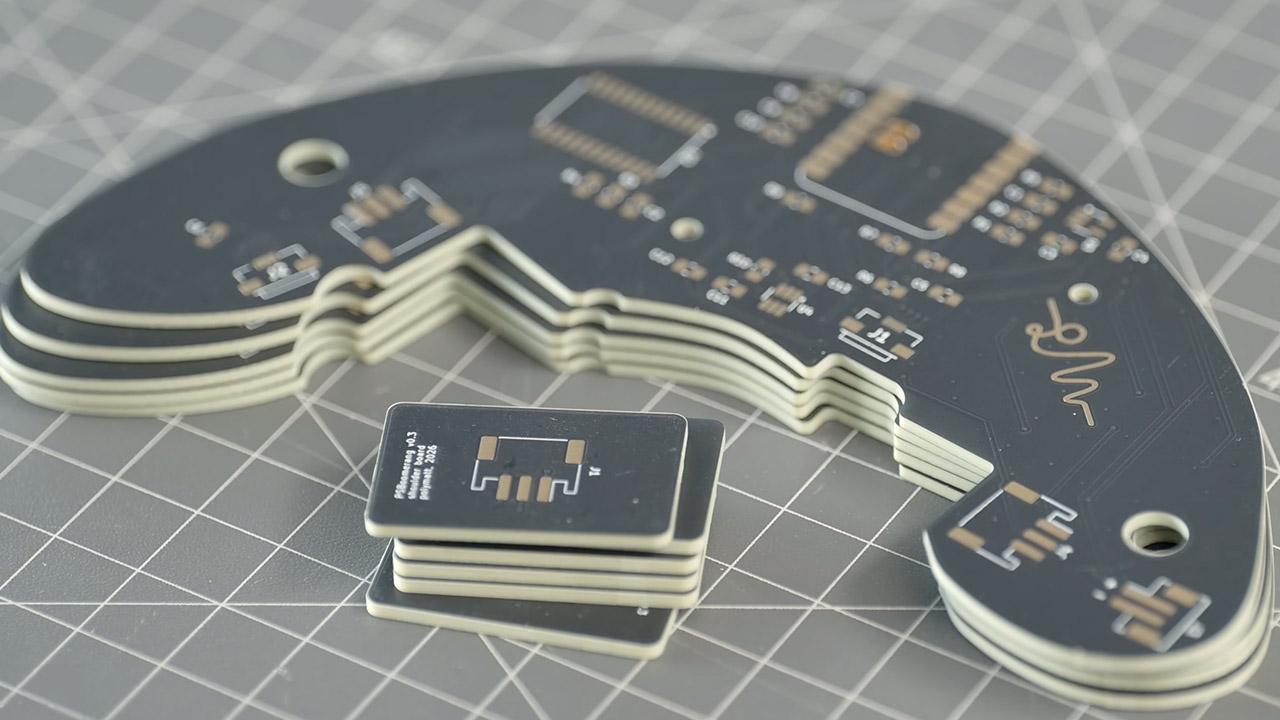
He created a KiCad layout for the circuit board, which includes a USB-C port, angled ribbon connectors for the sticks, and traces for every single button. He ended up purchasing two boards from NextPCB: one for the main unit and one for the shoulder switches, both in matte black with gold plating. Next, he created firmware for a Seeed XIAO ESP32-S3 to log inputs while testing. He stuffed a 2000 milliamp-hour lithium-polymer cell inside, giving him about forty hours of run time, though the pack does sit a little proud on the rear surface.
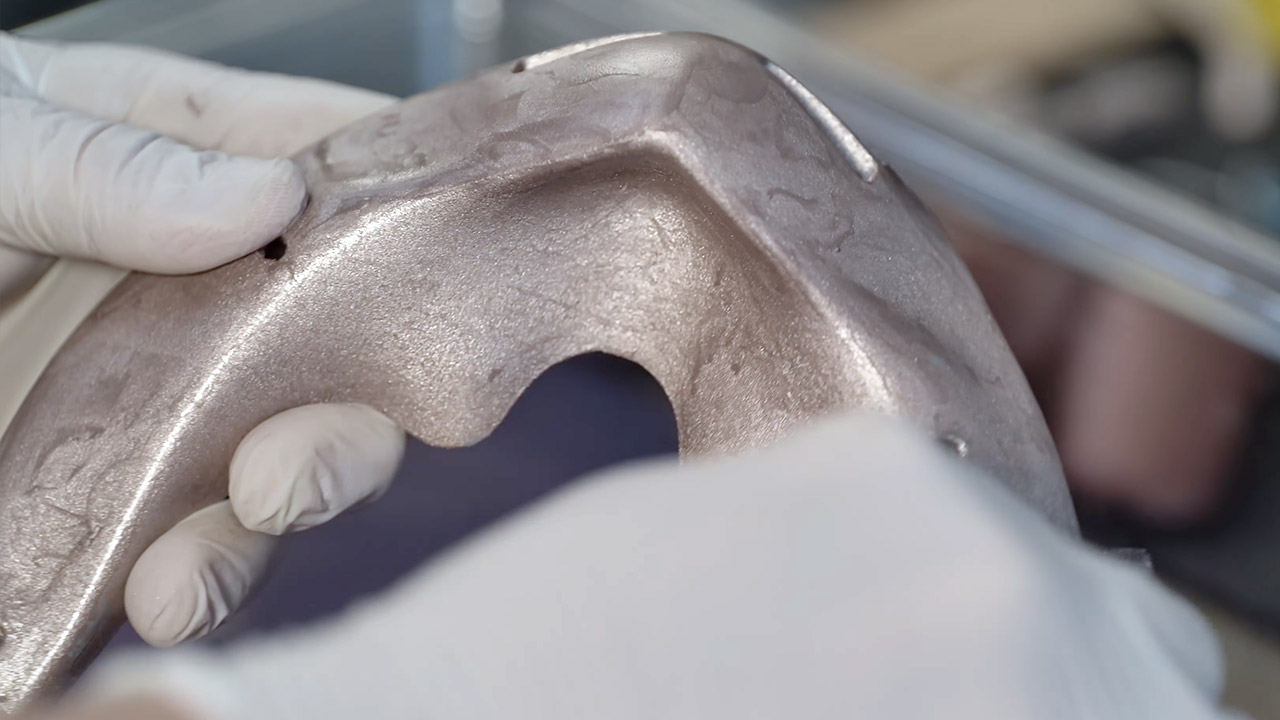
As you might expect, metallic finishes caused some issues along the road. Copper plating left large gaps that required extensive sanding, and the continuous metal coating transformed the shell into a Faraday cage that prevented all wireless signals, while liquid chrome paint provided him with the desired silver appearance without any interference. However, the ribbon-cable joints required some flux and modification to get the sticks to work properly.
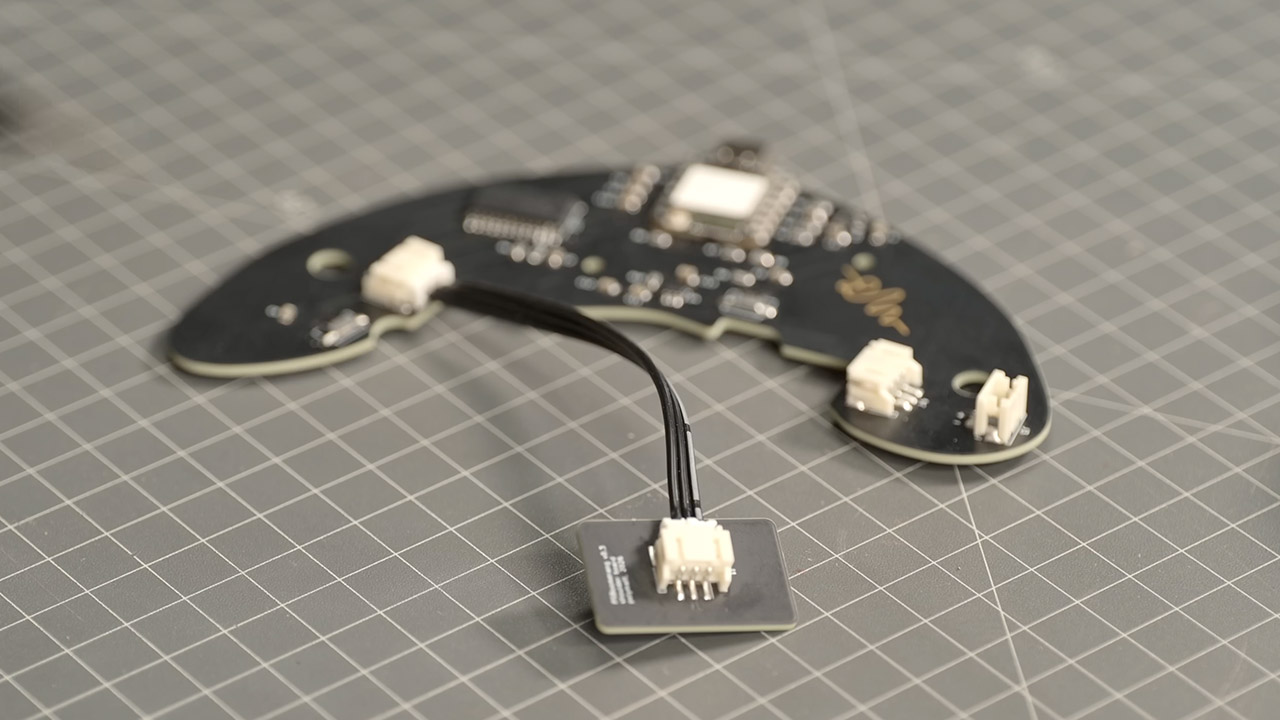
The shoulder-button sub-panels need some sanding to allow the switches to move freely. Putting it all together held the top shell, light pipe, buttons, rubber pads, board, and sticks in place. A simple serial check revealed that each input was being received appropriately. The finished pad now connects wirelessly to a PC or Steam Deck as a conventional controller, and it also works when connected into an original PlayStation 3. The main negative is that the shoulder buttons are slightly firmer than those on a contemporary DualShock.
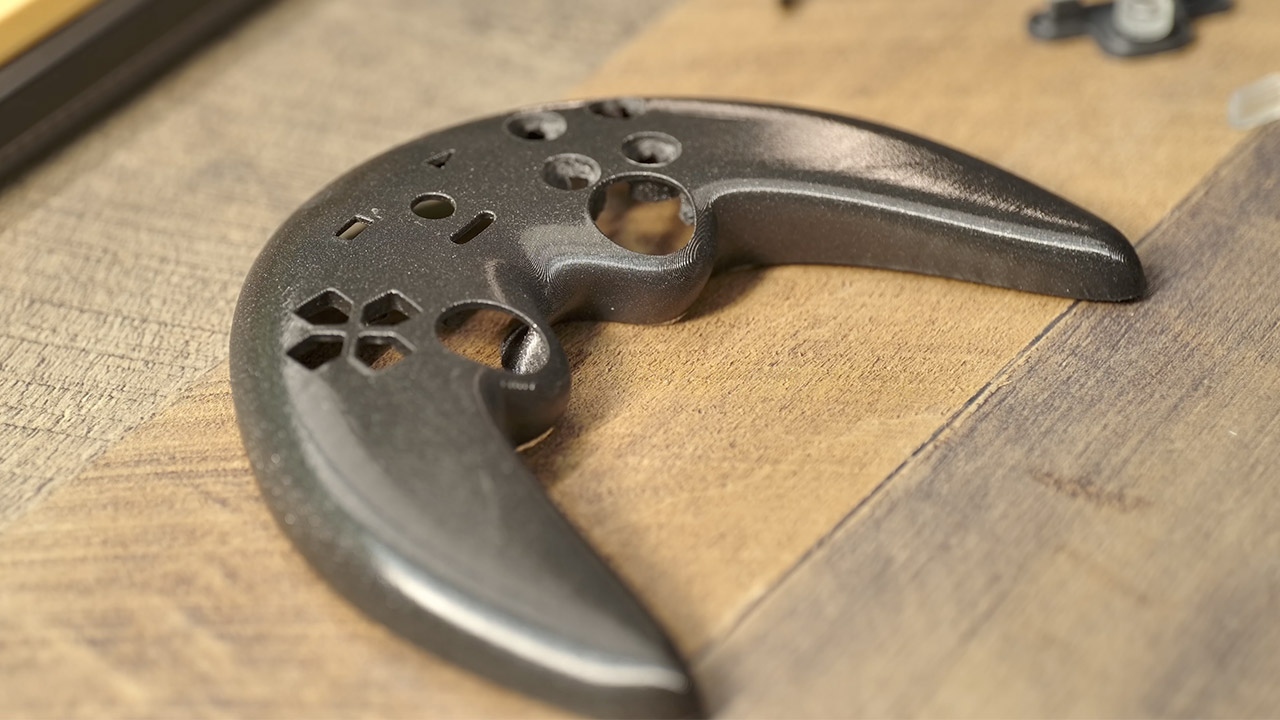
Polymatt released the printable models on Printables and the board data and firmware on GitHub, allowing anyone to order the boards, print the shells, and build a replica. Twenty years after the concept stood next the prototype system, a workable version is now available outside of Sony’s walls.
Gamer Recreates Sony’s Abandoned PS3 Boomerang Controller as a Fully Working Device
#Gamer #Recreates #Sonys #Abandoned #PS3 #Boomerang #Controller #Fully #Working #Device