Algae that eat plastic: A new approach to cleaning the world’s waterways
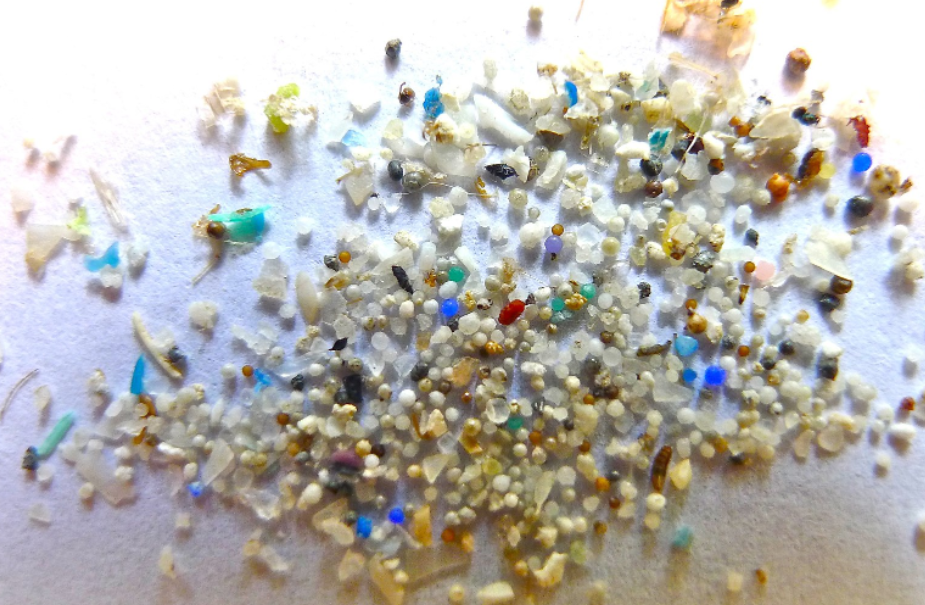
Scientists have created a special kind of algae that can grab microscopic plastic pollution out of water almost like a magnet. The algae produce limonene, an orange-scented oil that helps them bind to water-repelling microplastics, forming easy-to-remove clumps.
In addition, the algae also clean wastewater while growing.
Microplastics—tiny fragments shed from larger plastics—have become one of the most pervasive pollutants on Earth. They drift through rivers, settle in lakes, circulate in oceans and even infiltrate drinking water and food chains. Now, researchers are exploring an unexpected ally in the fight against this invisible pollution: genetically engineered algae.
At the University of Missouri, a team led by environmental engineer Susie Dai is developing a novel system that uses modified algae to capture microplastics from contaminated water. The approach is notable not just for its ingenuity, but also for its ambition. If successful, it could deliver a rare triple benefit: removing pollutants, cleaning wastewater and recycling captured plastics into safer materials.
The Microplastic Problem
The challenge is formidable. Conventional wastewater treatment plants are designed to remove large particulates—grit, suspended solids and organic matter—but microplastics are far smaller, often less than five millimetres across and sometimes measured in micrometres. These particles can slip through filtration systems largely undetected.
As a result, they persist in aquatic environments and accumulate over time. Studies have shown microplastics embedded in sediments, consumed by fish and other organisms, and even present in drinking water. Their ecological effects remain an active area of research, but concerns include chemical toxicity, physical damage to tissues and disruption of biological systems.
In short, microplastics represent a diffuse, persistent pollution problem—one that is difficult to remove once released.
Engineering a Sticky Solution
Dai’s team has approached this problem from an unusual angle: instead of trying to filter microplastics out of water using mechanical systems, they have designed a biological system that actively captures them.
The researchers genetically engineered a strain of algae to produce limonene, a naturally occurring oil responsible for the citrus scent of oranges and lemons. This compound alters the surface properties of the algae cells, making them hydrophobic, or water-repellent.
That seemingly small change has an important consequence. Microplastics are also typically hydrophobic, meaning they repel water but tend to stick to other hydrophobic materials. When the modified algae and microplastics encounter one another in water, they adhere together, forming clusters.
Over time, these aggregated clumps grow larger and heavier, eventually sinking. The process creates a dense, collectable biomass layer—a mixture of algae and bound microplastics—that can be removed far more easily than dispersed particles.
Cleaning Water While Growing Biomass
The system offers another advantage: the algae can grow directly in wastewater environments, where they absorb excess nutrients such as nitrogen and phosphorus.
This means the process could potentially:
- Capture microplastics
- Reduce nutrient pollution (which can otherwise drive algal blooms)
- Generate biomass that can be harvested
Unlike purely mechanical or chemical treatments, this approach is self-propagating, as the algae grow and reproduce using available resources.
It also aligns with a broader shift in environmental engineering toward nature-inspired or biohybrid systems, where living organisms are harnessed to perform remediation tasks.
From Waste to Resource?
Perhaps the most intriguing aspect of the research is what happens next. Dai’s longer-term ambition is not simply to remove microplastics, but to transform them.
The collected biomass—containing both algae and trapped plastic particles—could be processed into bioplastic materials, such as composite films. In principle, this closes part of the loop:
- Polluted water becomes cleaner
- Plastic waste is captured
- The waste is reused in a safer, potentially more sustainable form
This idea reflects a growing interest in circular economy approaches, where waste materials are treated as feedstocks rather than endpoints. In the context of plastics—one of the most stubborn waste streams globally—such approaches are gaining urgency.
Scaling Up the Technology
For now, the work remains at an early stage. Dai’s laboratory operates controlled bioreactor systems, including a 100-litre unit nicknamed “Shrek.” Interestingly, this system has already been used to process industrial flue gas, hinting at the versatility of algae-based technologies in tackling different forms of pollution.
The next step is scaling. To move from laboratory concept to real-world application, researchers will need to:
- Increase reactor size and throughput
- Integrate the process into existing wastewater treatment infrastructure
- Demonstrate consistent performance under variable conditions
This last point is critical. Real wastewater systems are complex and unpredictable, containing a mix of contaminants, fluctuating temperatures and varying flow rates.
A Broader Context: Biology Meets Pollution
The use of engineered algae to capture microplastics sits at the intersection of several emerging trends in environmental science:
- Synthetic biology, where organisms are engineered for specific tasks
- Green remediation technologies, designed to reduce environmental impact
- Circular material systems, aimed at reducing waste and resource extraction
Together, these approaches suggest a future in which pollution is not just managed, but actively transformed through biological innovation.
The Challenges Ahead
Despite the promise, significant questions remain.
Will the approach be cost-effective at scale?
Can the engineered algae be safely deployed without ecological side effects?
How efficiently can the captured plastics be processed into usable products?
There is also the broader issue of prevention. While technologies like this can help address existing contamination, they do not eliminate the source of microplastics—ongoing plastic production and fragmentation.
A Promising Direction?
Even so, the work represents an important step toward more adaptive and integrated solutions to environmental problems. By using biological systems to address plastic pollution, researchers are moving beyond traditional engineering approaches toward something more dynamic.
In a world where microplastics have become almost ubiquitous, such innovation may prove essential. After all, the challenge is not simply to remove pollution, but to rethink how we interact with materials in the first place.
And, in this case, the answer may lie in harnessing some of the smallest organisms on the planet to tackle one of its most pervasive pollutants.
The research features in the science journal Nature, titled “Atmospheric microplastic emissions from land and ocean.”
Airborne microplastics
In related news, research demonstrates that microplastics are floating through the atmosphere and spreading across the globe, but their true origins have been misunderstood. New research shows land sources emit over 20 times more microplastic particles into the air than the ocean, challenging earlier beliefs. Scientists also discovered that previous models dramatically overestimated how much plastic is in the atmosphere.
Scientists have also discovered that most microplastics arrive through the air, settling onto treetops before being washed or dropped to the forest floor in rain and falling leaves. Once there, natural processes like leaf decay help bury and store these particles deep in the soil. The findings reveal forests as hidden reservoirs of airborne pollution—and potentially a new frontline in the growing microplastics crisis.
Algae that eat plastic: A new approach to cleaning the world’s waterways
#Algae #eat #plastic #approach #cleaning #worlds #waterways