Digital Foundry Maps the Visual Splits in Grand Theft Auto 6 Across Four Consoles
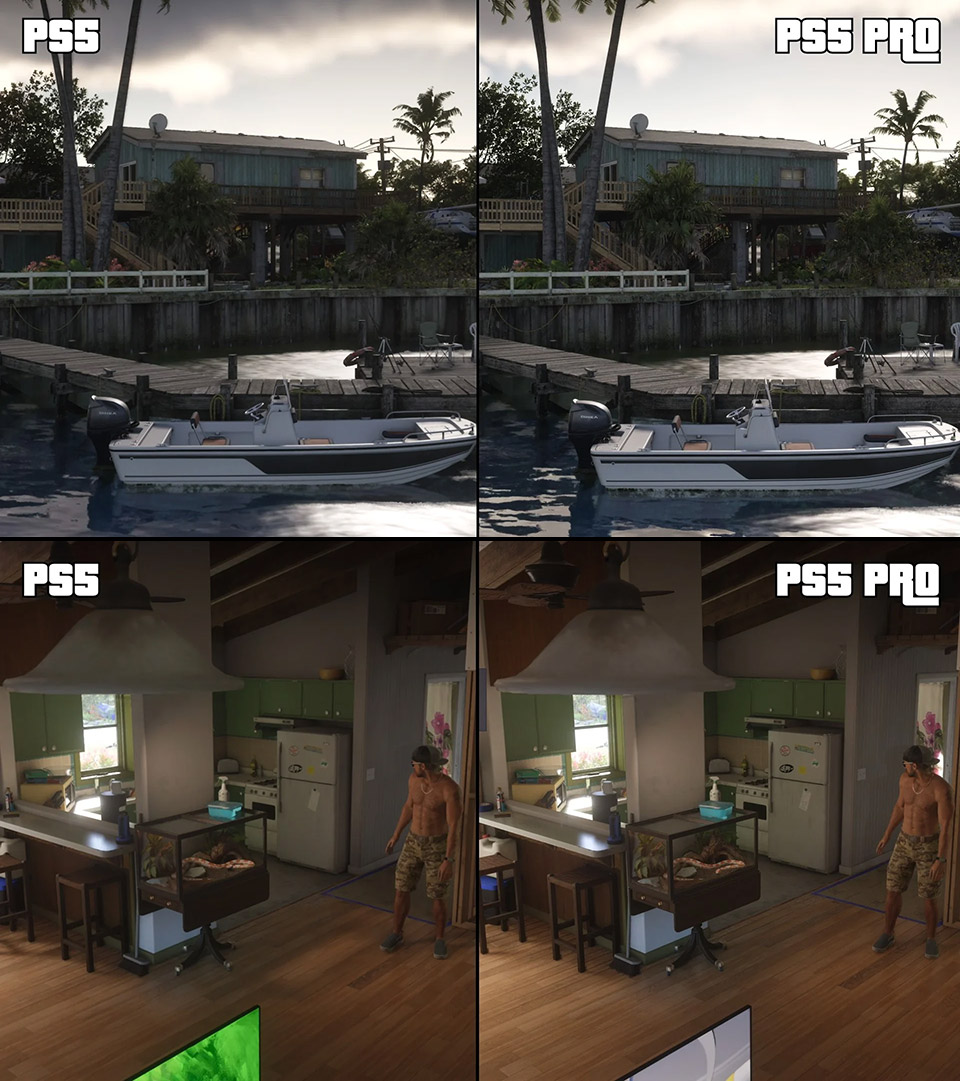
Photo credit: Digital Foundry
Rockstar built Grand Theft Auto 6 around a fixed thirty-frame target on every current console, and Digital Foundry’s measurements show why that choice holds. Even the PlayStation 5 Pro’s processor cannot keep the full city simulation, traffic density, pedestrian activity, and physics systems running at sixty frames without cutting the world down. All four machines therefore lock to thirty frames as the design baseline.
On the Pro, the lock is nearly flawless most of the time while you drive around and explore, with frame rates remaining stable, but in a deliberate stress test in which they blew up an entire street with exploding automobiles, the frame rate dropped to 24 for a second before rebounding back. Meanwhile, the standard PlayStation 5 and Xbox Series X hover around 30 for the most part, but can plummet to the high twenties during frenzied chases or shootouts, and even into the low twenties during extremely intense action. The Series S is at the bottom of the list, with long stretches of regular driving time stuck in the mid to high twenties, down to 20 when a host of vehicles and characters are crammed into one area.

PlayStation®5 console – 1TB
- From Jan. 2028, newly released games on PlayStation will be available for purchase on PlayStation Store and at retailers in digital format only. Discs…
- PlayStation 5 Console – 1TB, includes wireless controller, 1TBSSD, Disc Drive, 2 Horizontal Stand Feet, HDMI cable, AC power cord, USB cable, printed…
- 1TB of Storage, keep your favorite games ready and waiting for you to jump in and play
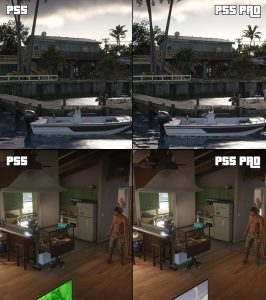
Internal resolution is locked at 2560 by 1440 on the PlayStation 5, PlayStation 5 Pro, and Xbox Series X, with no obvious evidence that they are using dynamic scaling in the scenes. Digital Foundry took a peek. The Pro then just upscales that image to 4000 horizontal lines using Sony’s clever machine-learning upscaler, resulting in edges and distant textures that look nearly as nice as if they were natively drawn at 4000 lines. The base PS5 and Series X use Rockstar’s proprietary spatial temporal anti-aliasing technology to achieve the same 4000 line improvement, which looks smooth in motion but is softer overall, with fine details on distant buildings and foliage becoming slightly fuzzy. The Series S, on the other hand, starts with a real 720p render and then adds AMD’s new FidelityFX Super Resolution 4 to bring it up to 1080p, making it the first game to employ that upscaler in commercial form. The smaller box has fewer sharp reflections and shadows than its larger sibling, and the distant greenery breaks up more, but the main lighting model looks amazing.
Ray-traced global lighting and ray-traced reflections are both fully functional in all versions, and we’re talking glossy automobile paint and rough road surfaces here, so streetlights and neon bounce accurately off wet asphalt and water. Digital Foundry describes it as one of the cleanest implementations they’ve ever seen on console hardware, with little noise patterns or temporal blurs to speak about. Only the PlayStation 5 Pro receives full ray-traced shadows in addition to everything else, while the other three continue to use enhanced shadow maps for the sun and most local lighting. Those maps still produce soft penumbras and tight contact shadows, though the Pro’s traced version removes the last visible cascade steps.
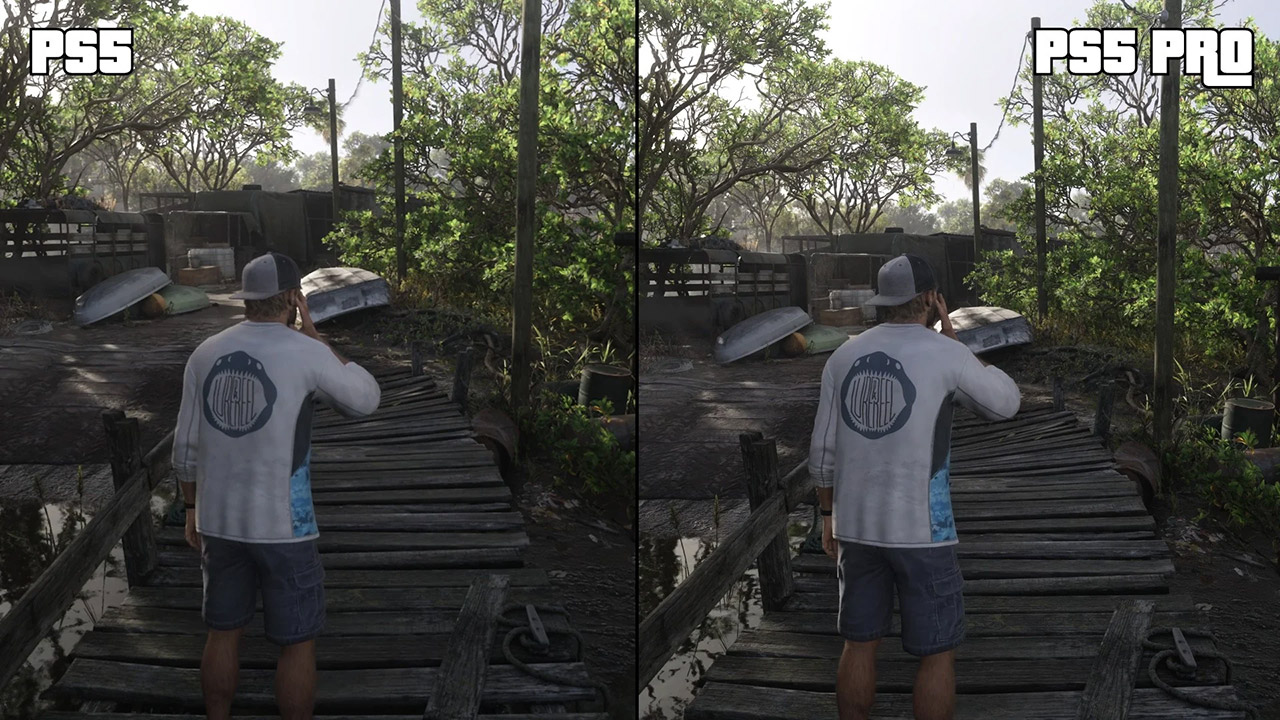
Every character model, not just the two characters, has a physics-driven hair system; each strand responds to unexpected twists, wind, and rain on straight, wavy, and curly styles, as well as pedestrians walking throughout Vise City in the backdrop. Skin shading detects sweat and makeup in varying lighting conditions, while clothes and car materials exhibit the same physiologically based response.
In Red Dead Redemption 2, the Sky receives a physically correct representation as well as procedural volumetric clouds that can throw shadows on the ground when a storm approaches, and those shadows can be seen even after the sun has set. The HDR (High-dynamic-range) output is quite powerful, with over 1500 nits of direct sunlight on bright metal and glass, which is effectively blinding given how dark the shadows are. Interiors are also detailed, with dust and filth on glass, colored light streaming through tinted windows, and a general glow that makes a room appear to be lit by more than one light source.
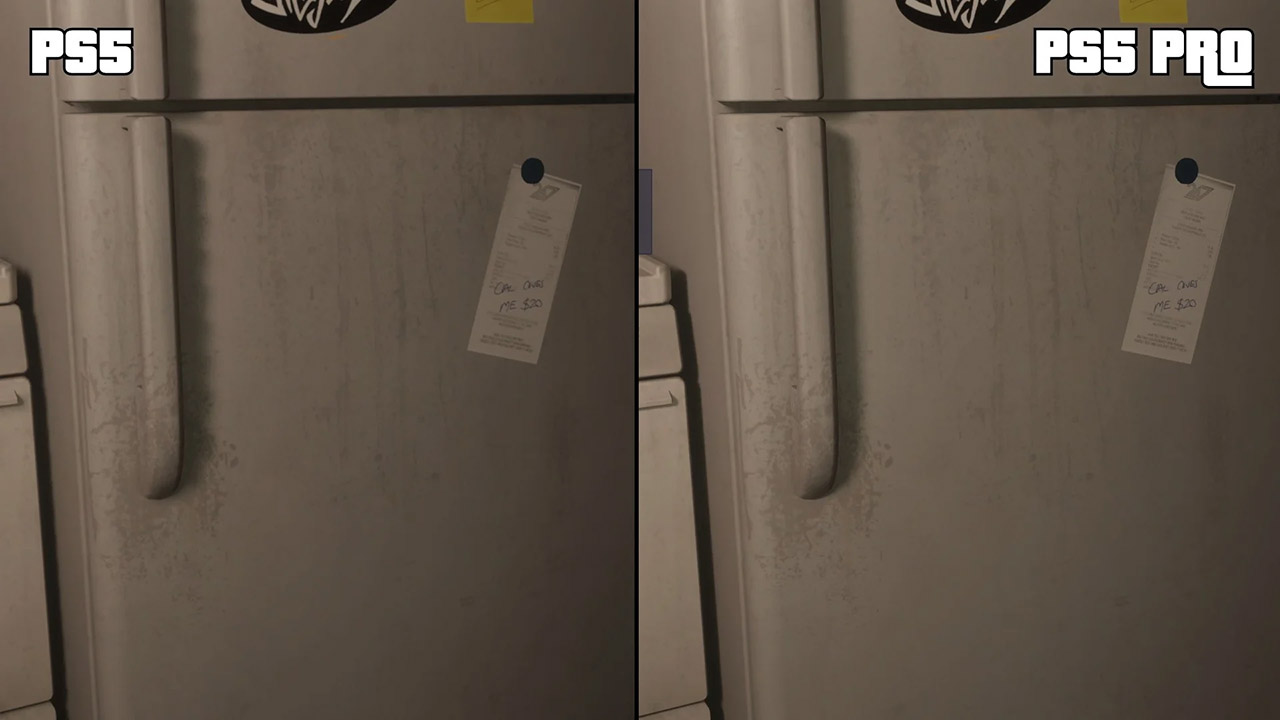
The streets, on the other hand, remain rather congested; traffic lights, parked cars, and people walking around can be seen all the way to the horizon, with none of them appearing or disappearing as you move away. Rocks’ biggest map to yet, and it still looks beautiful even in the outside districts of Leonida, with plenty of architectural and detail texture to keep things interesting.
The Series S performance is actually the one that gets the short straw here. Its ten gigabytes of memory and slower processor speed allow for less inaccuracy when there are dozens of characters and cars in a scene. According to Digital Foundry, you can still enjoy a smooth (30 frame) experience in cutscenes and slow-motion shots, but any extended chase or shootout will reduce the average frame rate to the mid twenties for several minutes.
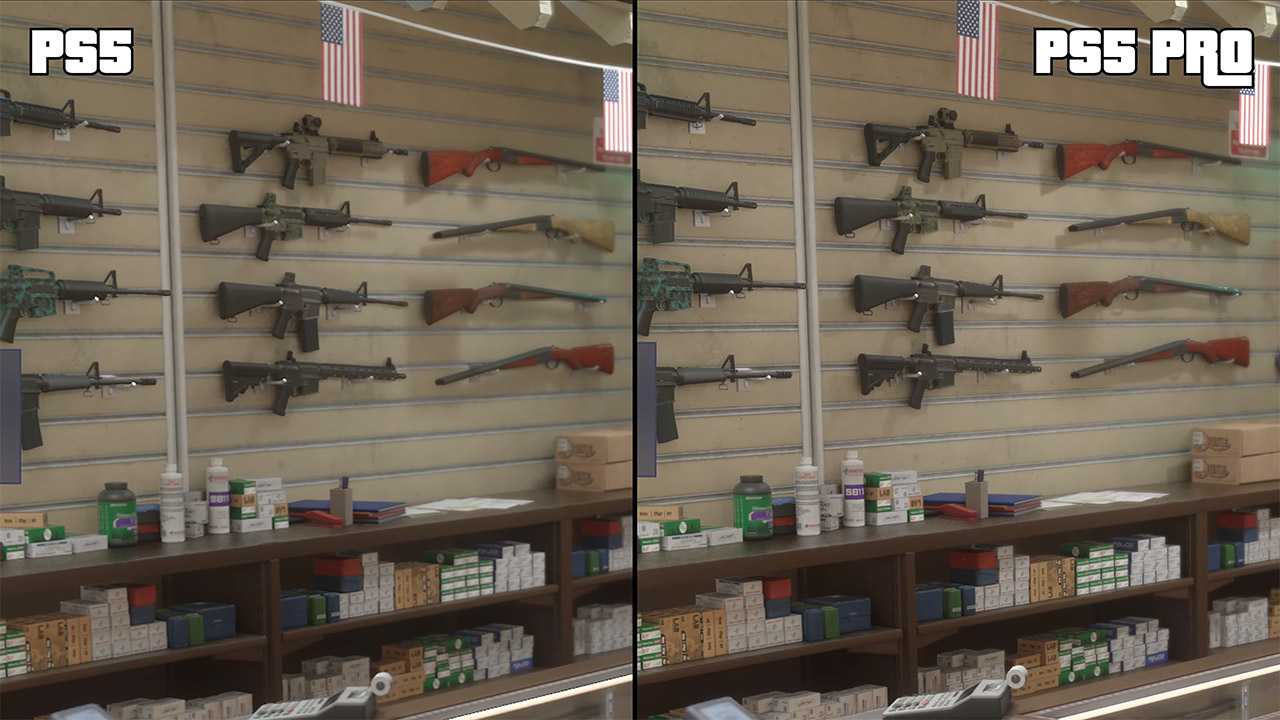
On the other side, more powerful consoles should be able to maintain a higher frame rate. When the action settles down, you should be able to get the frame rate back up to a more normal level. Across all platforms, however, the 30 frame setting has the unintended benefit of making your game appear super realistic, as if you could walk down an ordinary city street and feel as if you were there. The main difference between machines is how sharp the image is and how long it can maintain a constant frame rate before dropping.
Digital Foundry Maps the Visual Splits in Grand Theft Auto 6 Across Four Consoles
#Digital #Foundry #Maps #Visual #Splits #Grand #Theft #Auto #Consoles