Dyson Built a $499 Toothbrush That Looks Between Your Teeth and Cleans What You Miss, Called CameraJet
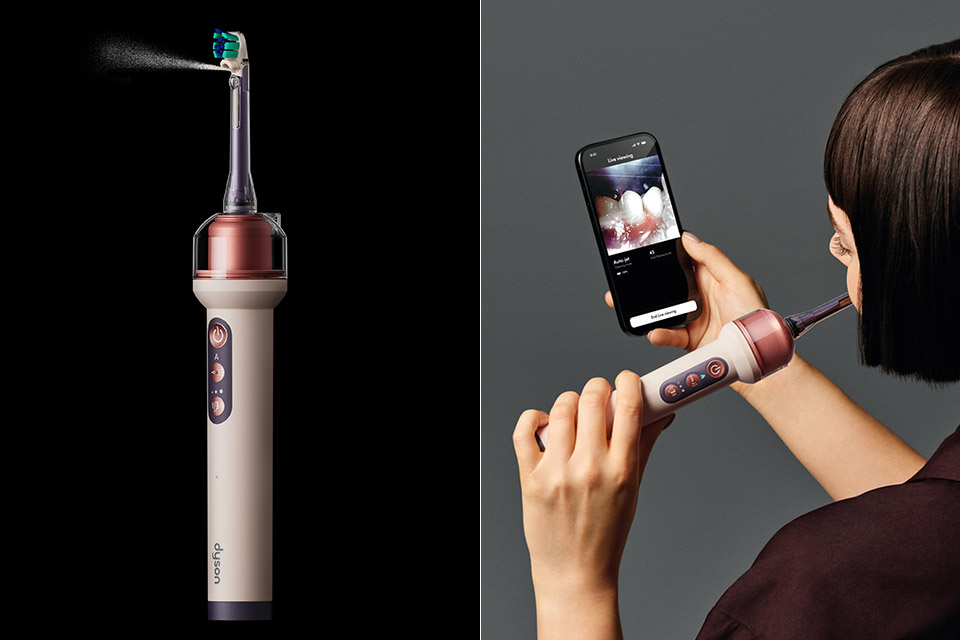
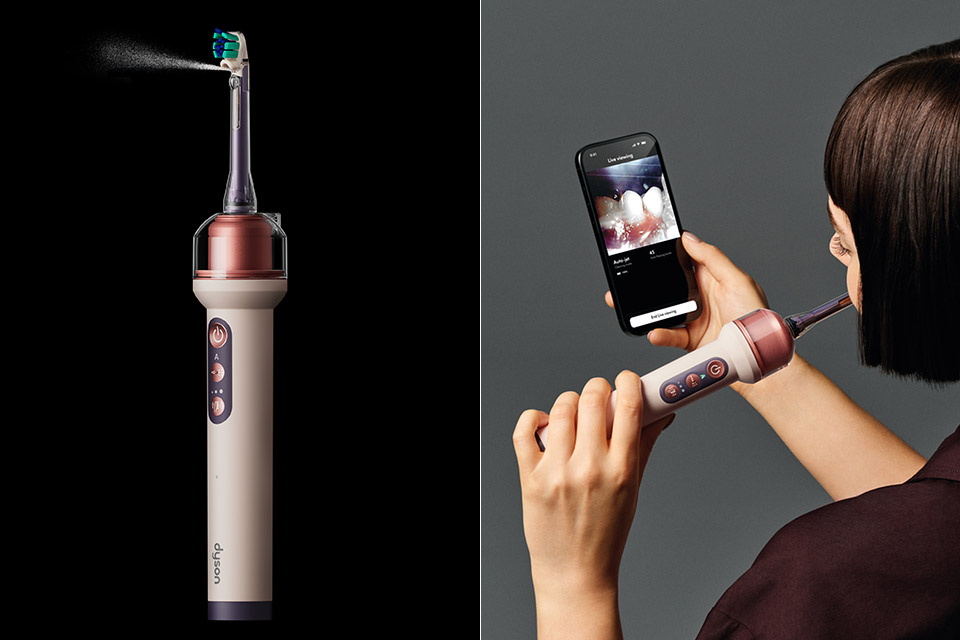
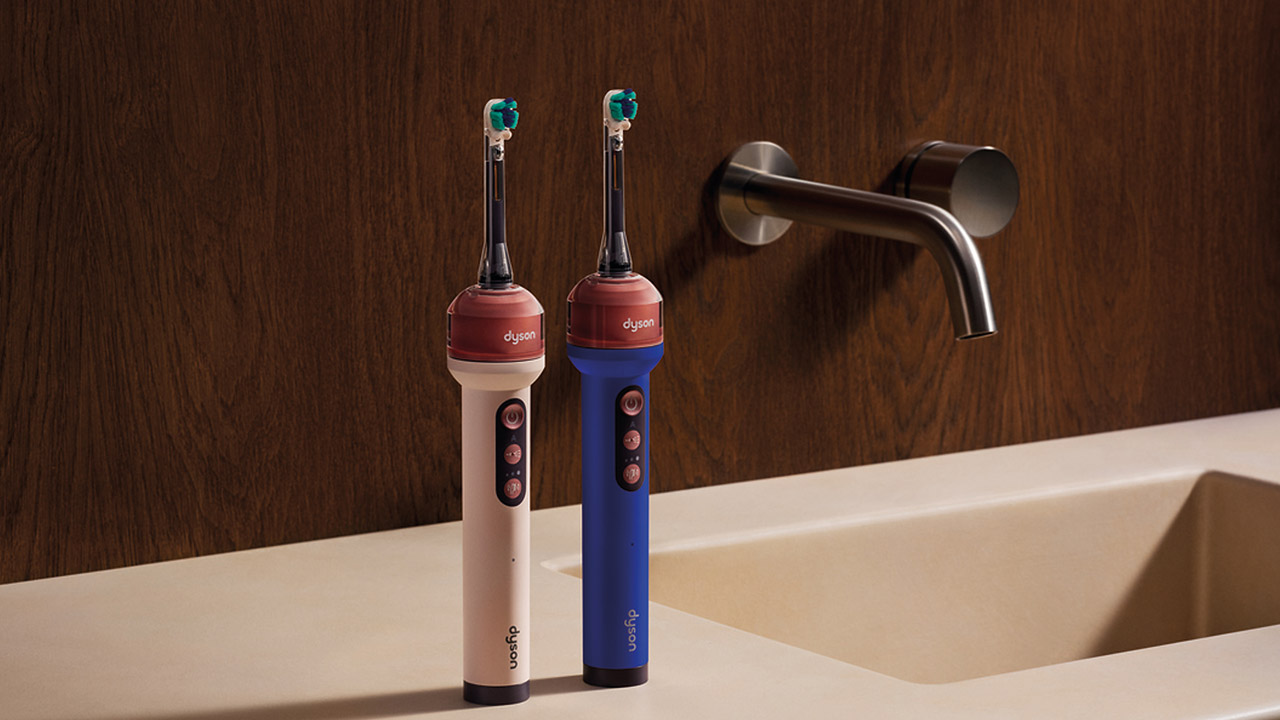
James Dyson unveiled CameraJet in Paris on September 1, 2026, as the company’s first toothbrush and a $499 attempt to collapse brushing, flossing, and rinsing into one pass. UK buyers pay £419.99. Ceramic Ultra Blue and Ceramic Pink are the two finishes, sold through Dyson stores and dyson.com with a refill dock, two regular brush heads, a charging cable, and a travel case. Six years of work, 661 engineers, 38 patents, 16 million lines of code, and help from 30 dental professionals went into a handle that watches the inside of your mouth while it works.
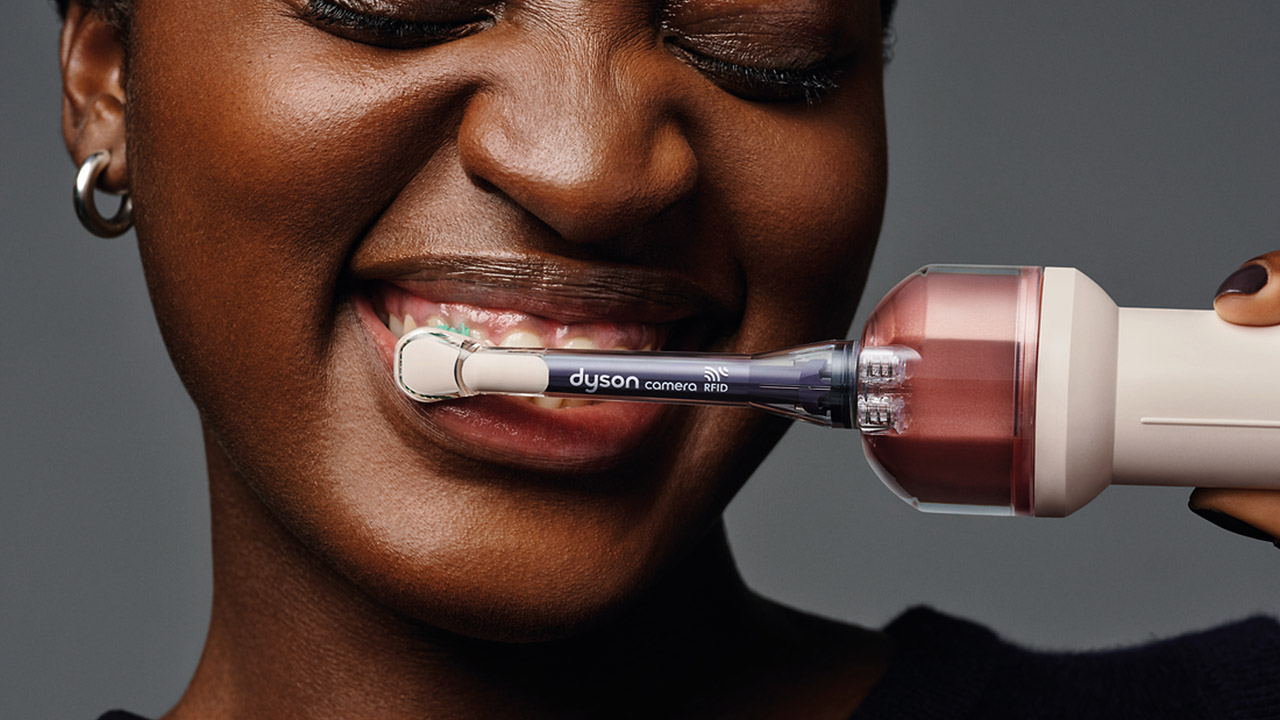
Flossing remains the step that most people skip. Dyson’s own study, as well as the two-minute rule, guided the team to the regions between the teeth, where plaque tends to gather and your normal sonic toothbrush gets caught. CameraJet’s answer includes a camera in the head with 100,000 pixels, a huge macro camera, and a machine-learning model trained on an immense set of 470,000 dental pictures using a piece of software called Gap Optical Targeting. This device takes 28 frames per second, and a few hundred milliseconds after detecting the gap between the teeth, a spray of mouthwash is released. The photos are just stored during the session; nothing is saved on the brush or in the cloud.

Dyson CameraJet™ Electric Toothbrush with Precision Flosser (Ceramic Pink)
- DYSON-ENGINEERED TOOTHBRUSH: The first toothbrush with a camera to target and precision-floss gaps between your teeth, removing plaque while you…
- CAMERA POWERED BY GAP OPTICAL TARGETINGᵀᴹ: Analyzes 28 images a second, while Dyson’s AI machine-learning algorithm targets gaps between teeth…
- CONICAL JET: Accurately releases a 1 millisecond burst of mouth rinse to jet away plaque between teeth. Designed to be gentle on gums and enamel.
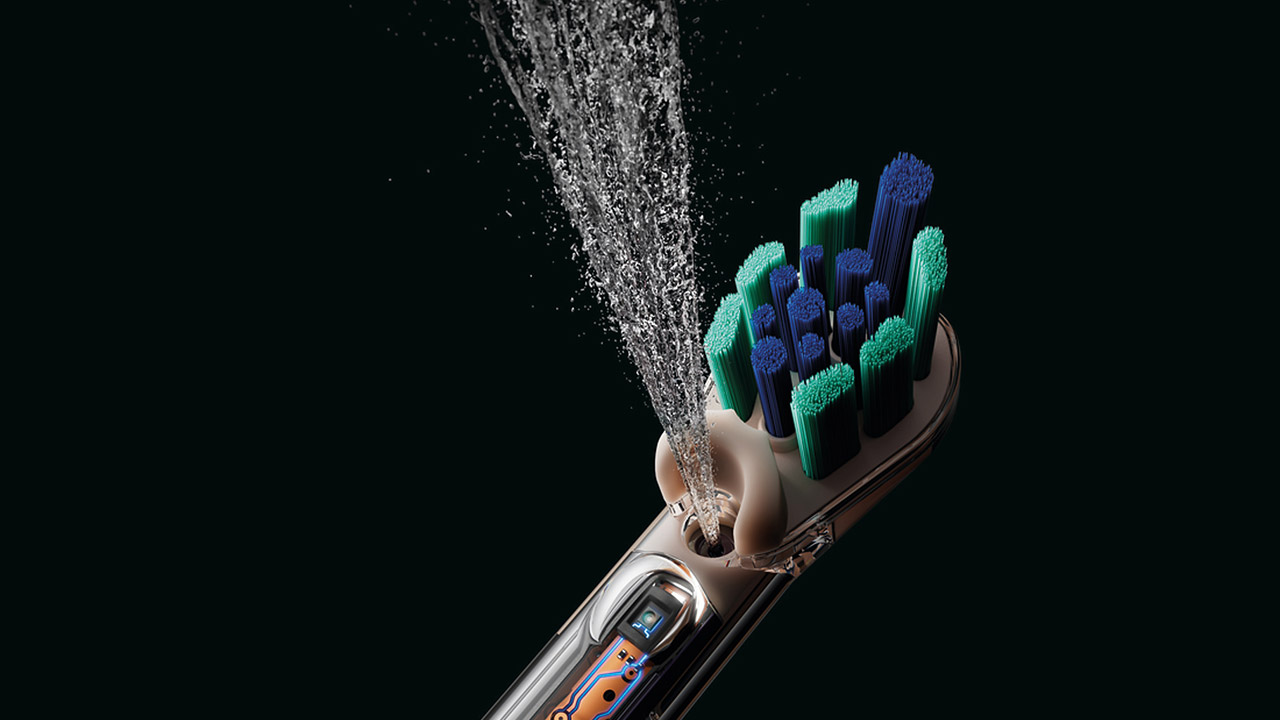
Once that small space has been identified, the spray emerges as a cone rather than a narrow stream like a typical flosser. They spent hours perfecting that by creating a proxy plaque with the assistance of the National University of Singapore’s dental school, allowing them to test the design without having to wait for a clinical trial every time they made a little change. Each of those little spurts can release up to 0.15 milliliters of rinse. They’ve set the pressure lower than a flosser to ensure that the cone softly sweeps away the sticky plaque rather than smashing straight through it. Then there’s an anti-gravity tank that holds 12.5 milliliters of liquid and is powered by a pump and a pressure chamber that keeps it flowing even when you tilt the head against your back teeth. The dock can refill the tank in around three seconds while also charging the handle.
The two-bristle heads conduct all of the surface work since the inner bristles are considerably stronger and better at lifting stains, while the outer bristles are much softer and work on the gumline. These heads feature sophisticated sensors that track the shapes of your teeth, allowing them to follow them rather than simply assuming they are flat. Each head has an RFID tag that tracks how many times it’s used and alerts you when it’s time to replace it. A delicate version is also available for persons who have sensitive gums. There is also variable sonic oscillation, which alters the angle of motion so that the bristles do not become trapped when you reach a tight location.
Some external lab testing conducted in just the brush mode revealed that this action can remove up to 69% more plaque from those hard-to-reach areas than the leading premium electric toothbrushes on the market. In the complete Brush & Auto-jet mode, several separate lab tests show up to 72% greater plaque removal than the competition, and there was a clinical research with 71 participants using the Dyson rinse vs a manual toothbrush. Of course, Dyson provided all of those numbers, which were evaluated under controlled conditions.
MyDyson connects your devices to your phone via WiFi and Bluetooth on the 2.4 GHz frequency. Live view allows you to see exactly what the dentist sees, including in-mouth imagery. You get coverage maps and guided clean alternatives, all targeted at locating the zones you’ve overlooked. You can choose the ideal method with Auto-jet, manual jetting, or brushing, as well as three different clean intensity settings. You can also use the camera to inspect your teeth without a phone (albeit the app need a connection to conduct all the fancy stuff). The app’s capabilities differ based on where you are in the world, but you must be online to fully use them. The internal sensors even alert you when you’ve finished cleaning in one go or if you’re holding your brush at the incorrect angle. A full charge will last you 10 days if you use mild mode and only complete one normal clean and one of the more strenuous sessions per day. It takes roughly 8 hours to fill it up to capacity. The handle is also entirely waterproof, so you may use it in the shower without worries.
The toothpaste and mouth rinse are the major draw to this product. Regular toothpaste and a foamy rinse can interfere with the camera’s view, so Dyson is promoting their own SLS-free toothpaste and low-foaming mouth rinse, which some retailers are even combining with the device, and you’ll have to pay a monthly subscription in addition to purchasing the special heads.
Dyson Built a $499 Toothbrush That Looks Between Your Teeth and Cleans What You Miss, Called CameraJet
#Dyson #Built #Toothbrush #Teeth #Cleans #Called #CameraJet