Elon Musk and NASA’s Chief Are Looking at Antimatter to Reach Other Star Systems
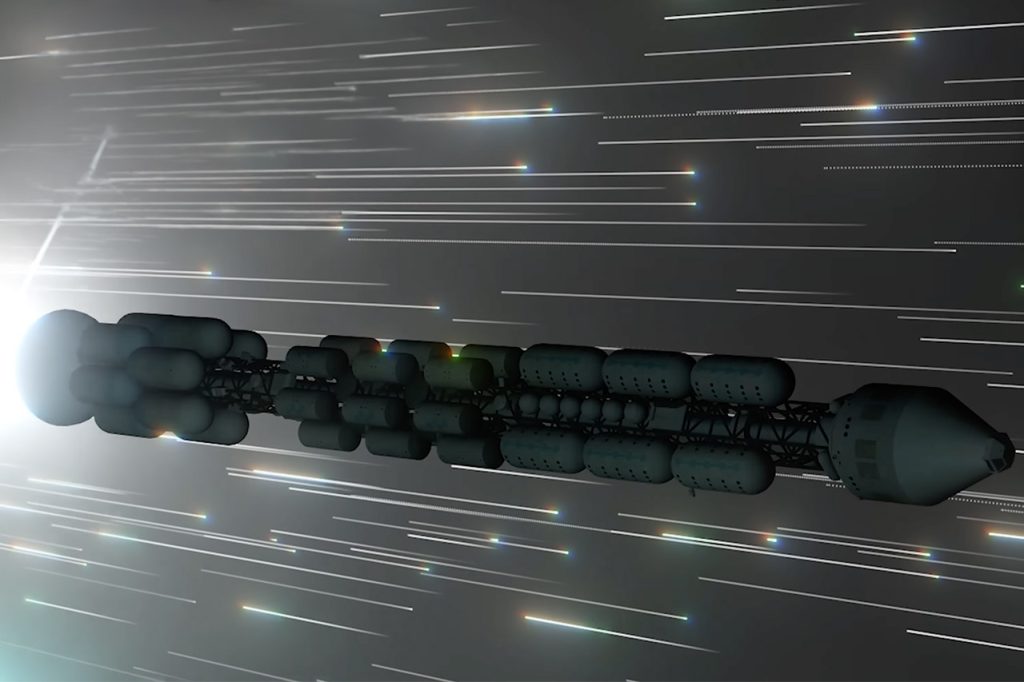
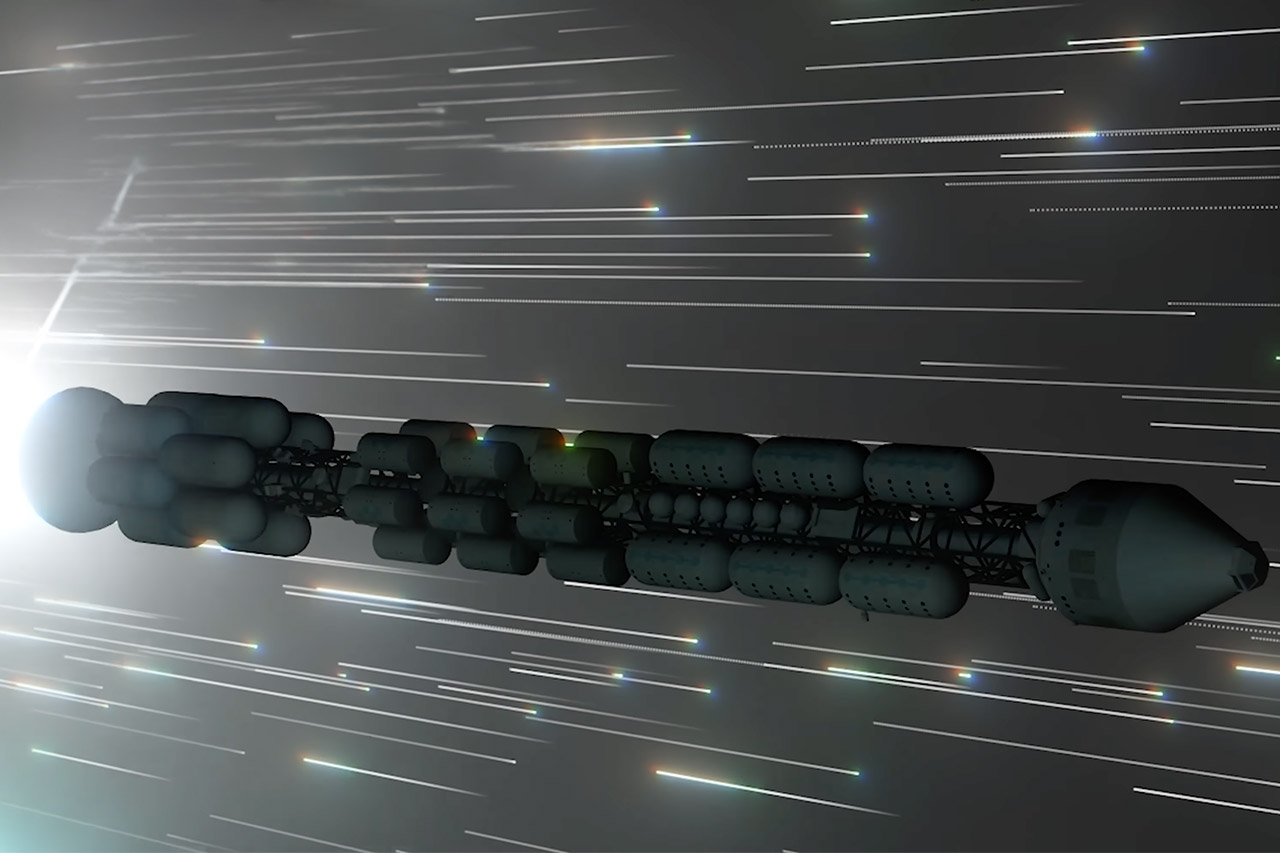
A short exchange on X pulled antimatter propulsion back into view. Elon Musk posted that in the future a trillion times a trillion dollars will go toward making antimatter so people can travel to other star systems. He added that later civilizations may measure wealth in mass and energy rather than currency. NASA Administrator Jared Isaacman replied that he supports antimatter propulsion.
Antimatter is essentially the mirror image of normal matter. Every electron has a positron, which is identical to it but has the opposite charge. Each proton contains an antiproton. E = mc² states that when particles collide, their mass is converted into energy. When one gram of antimatter collides with one gram of normal matter, it produces energy equivalent to around 43 kilotons of TNT, nearly three times that of the Hiroshima bomb. Chemical rockets can only convert a small portion of their fuel into energy, and nuclear fusion is nowhere near as efficient as antimatter’s near-total conversion.
Sale

Executive Series Apollo 11 Capsule Model – 1:25 Scale, Officially Licensed NASA Spacecraft Replica…
- Officially Licensed NASA Apollo 11 Capsule Replica: Stunning 1:25 scale model of the historic Apollo 11 Command Module, authentically designed with…
- Perfect for Display: Measures 6.25 inches wide x 6 inches high, making it an ideal size for display on shelves, desktops, or in collector’s cases. A…
- Unique Opening/Closing Door Feature: This Apollo 11 model includes a fully functional door that opens and closes, adding realism and enhancing its…
The fact that you can get a lot more oomph from a lot less mass has a significant impact on the type of spacecraft you can build. Current engines must carry the majority of their weight in propellant, which is then discarded as soon as it is spent. An antimatter system might provide a lot more kick for a lot less weight. What used to take six to nine months to get to Mars could now be done in weeks, and getting to the nearest stars, which takes tens of thousands of years with current technology, could be done in a human lifetime or a few decades at a few percent of lightspeed. Less time in space implies less radiation and weightlessness for any crew, which is a significant benefit.
I support antimatter propulsion.
— NASA Administrator Jared Isaacman (@NASAAdmin) June 19, 2026
Several ideas have been proposed to turn annihlation into thrust. One approach is to combine streams of antimatter and matter in a dedicated chamber, where the resultant particles and radiation are blasted out the rear. Another does the same thing, but uses the energy to heat up propellant such as hydrogen, which then expands and generates thrust. Then there’s the concept of using tiny amounts of antimatter to initiate larger nuclear fusion or fission reactions, which would stretch the limited antimatter supply even further. Every one of these approaches is trying to solve the same problem: how to take the energy release and turn it into push without wiping out the ship.
The trouble is that creating antimatter is an absolute nightmare. Particle accelerators generate it by smashing particles together, however the method creates extremely little amounts. After years of experimentation, places such as CERN have only been able to produce nanograms. Getting to the amounts required to create even a small probe would necessitate discovering new ways to manufacture it and much more effective ways to collect it.
[Source]
Elon Musk and NASA’s Chief Are Looking at Antimatter to Reach Other Star Systems
#Elon #Musk #NASAs #Chief #Antimatter #Reach #Star #Systems