Filip and Peter Cut the Leash on an Autonomous Submarine Bound for Titanic
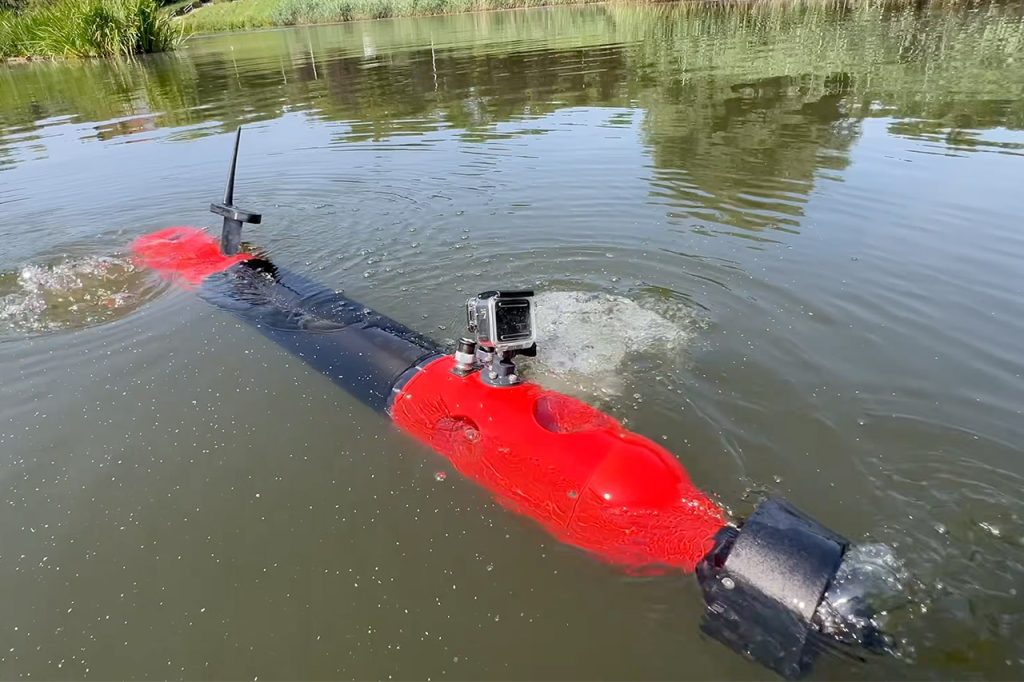
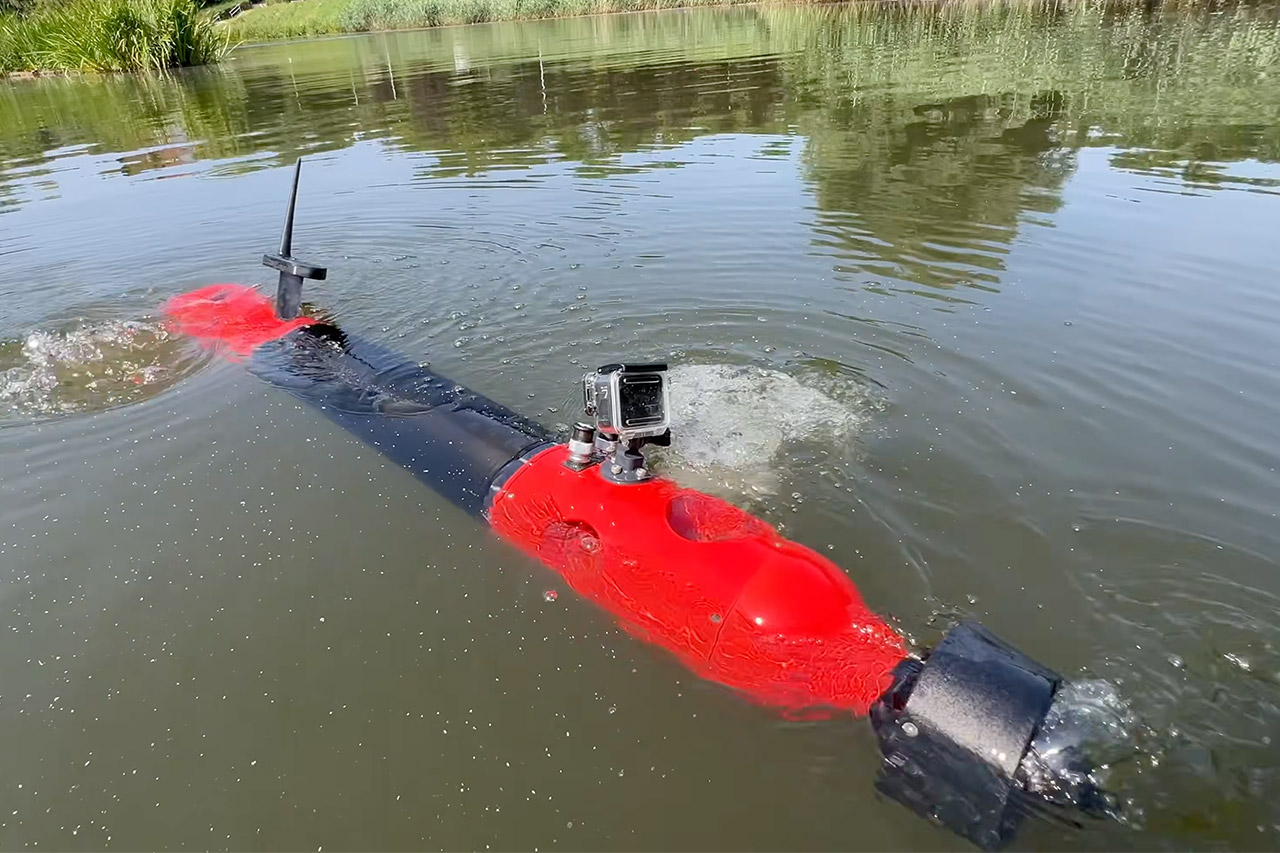
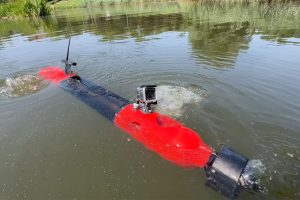
Filip and Peter stood on the shore of a small lake and pressed the button that cut every link to the machine in the water. For the first time the submarine they have been building for more than a year had to find its own way home, with no radio, no tether, and no one steering. They could not see it. They could not hear it. A few minutes later it broke the surface near the spot where the mission was supposed to end.
That return is the whole point of the latest video from their channel, CPSdrone. Their long-term goal is to photograph the Titanic, which is 3800 meters down in the North Atlantic, just a few hundred kilometers off the coast of Newfoundland. Large crews can travel to the wreck in a ship with a thick rope (tether) and a vehicle that costs more than most houses, but Filip and Peter want a small craft that can leave the pier, dive down, navigate itself to the ruin, take a picture, and return.
Sale

Bambu Lab A1 mini 3D Printer + LED Lamp Kit, Ready-to-Use for Beginners
- A1 mini + LED Lamp Kit for Creative Light Projects: Bring your ideas to life with the included LED Lamp Kit. Simply print compatible lamp models and…
- The Perfect 3D Printer for Beginners: A1 mini 3D Printer is designed to make 3D printing easy from day one with automatic calibration, simple setup…
- Experience the Bambu Lab Ecosystem: Access MakerWorld’s huge library of ready-to-print models, manage prints through the Bambu Handy app, and enjoy…
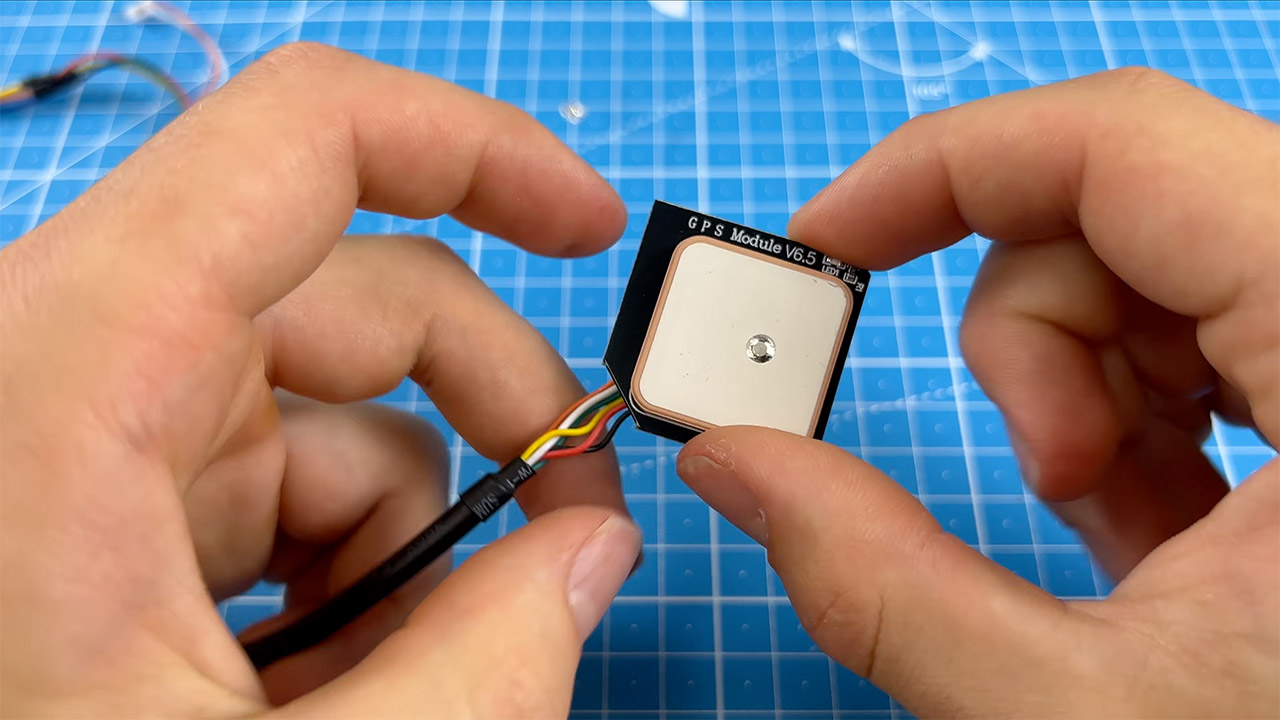
That is more difficult than you may realize. The GPS signal almost completely fades as it approaches the surface. A rope overcomes this problem for most remote cars, tying them to a boat and a budget they don’t have. Their first iteration had a GPS buoy on a short line, which maintained it in the right spot on lakes and canals but prevented it from diving; attempting to get it to dive just didn’t work. Earlier this year, they got to test that machine in a kayak in pretty chilly water, including a 4km voyage while dodging swans along the way, but deep water requires something different.
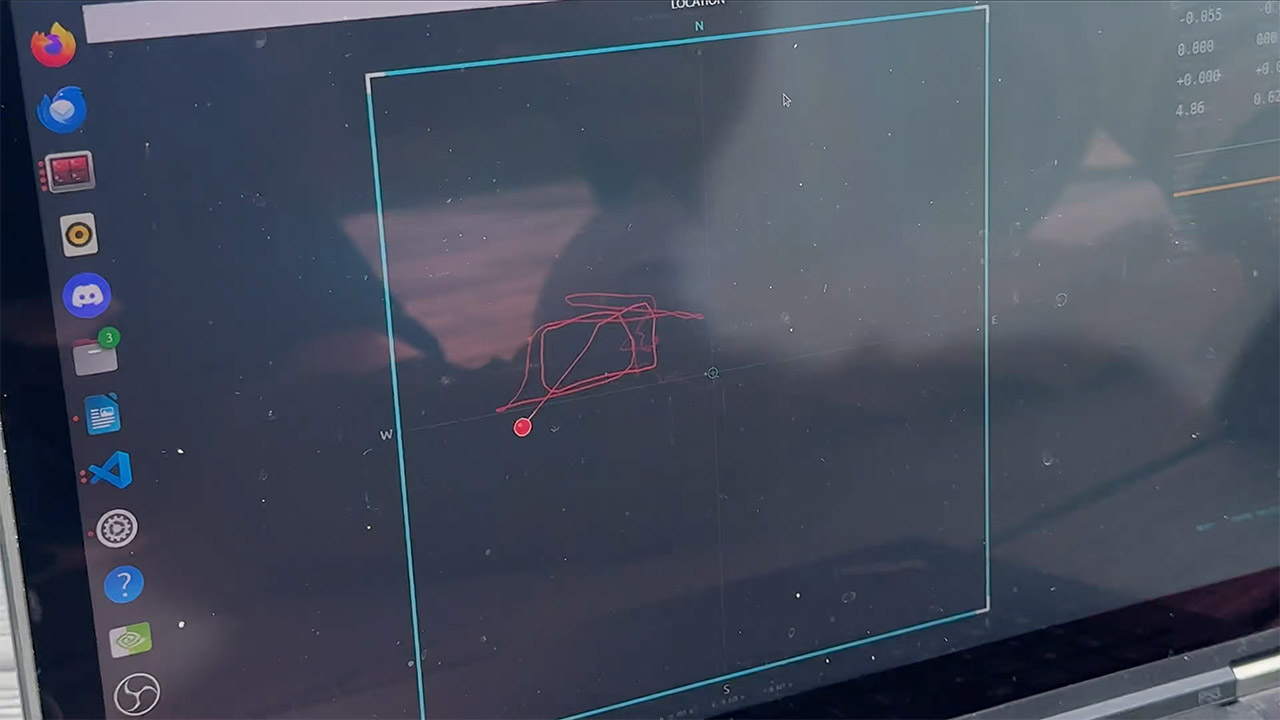
Once in the water, a Doppler velocity log works well. Their model unit cost about $3,000, which is significantly less than the commercial sensors, which start at around $88,000. Three speakers send sound pulses along the bottom and out to the sides. A microphone is listening for echoes. Movement alters the pitch of the echo in the same manner that you hear when a car passes by on the street, and that pitch shift indicates how fast it is moving in each direction. When you combine that speed with a compass and a known beginning position, the computer can figure out where it has gone, much like a sailor might figure out a track by calculating time and direction. It does not create a map of the bottom. A flat floor is just as nice as a bumpy one, but the errors still accumulate. In good conditions, the sensor is accurate to roughly 1%; after an hour, this can mean being hundreds of meters off course. A 6.9-degree difference between magnetic and true north was enough to throw off the track until it was rectified in software.
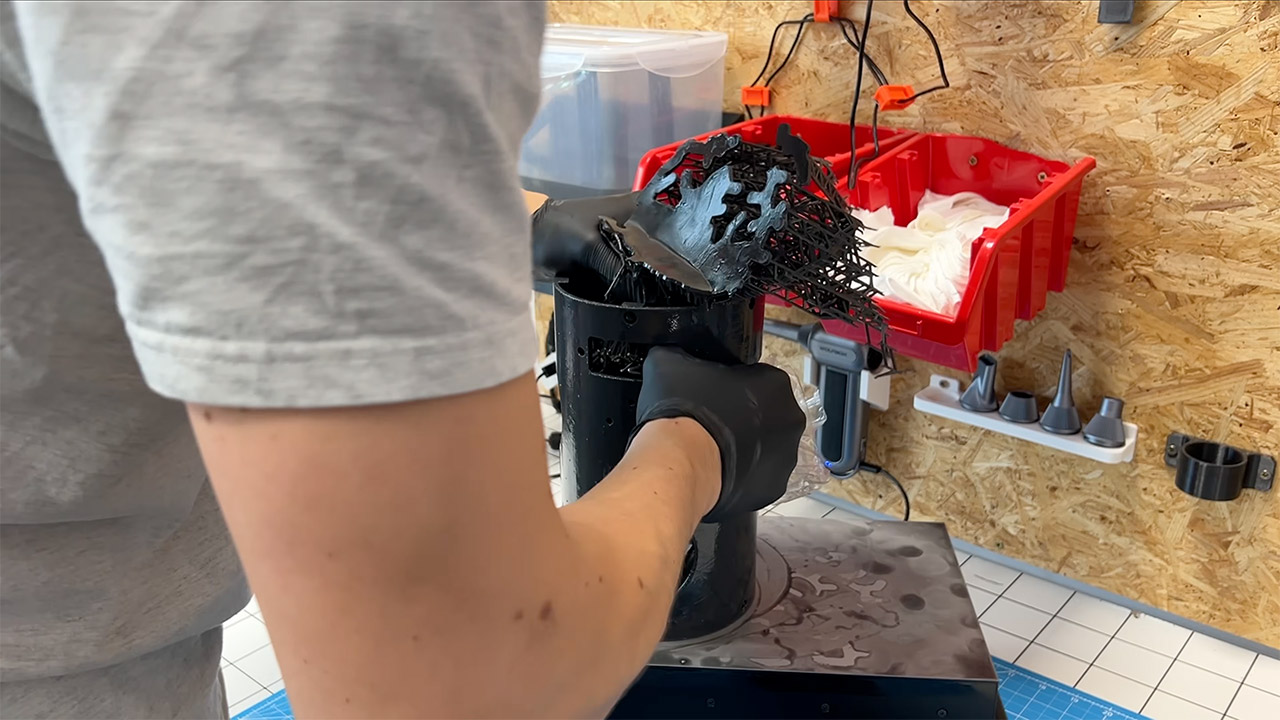
Earlier versions had printed pieces that simply split along the layers when the hull was hit. This new one makes use of Tough 1500 resin from a Form 4L printer, which is then cured under a UV lamp following a thorough wash in a large bottle of alcohol. The final shell bends slightly but holds together. Four titanium propellers replace the previous pair, two in the front and two in the back, allowing the device to slide sideways and hover over a wreck rather than simply going forward. They smoothed the blades using a rotary tool so that the metal could cut through the water smoothly and withstand rocks and weeds.
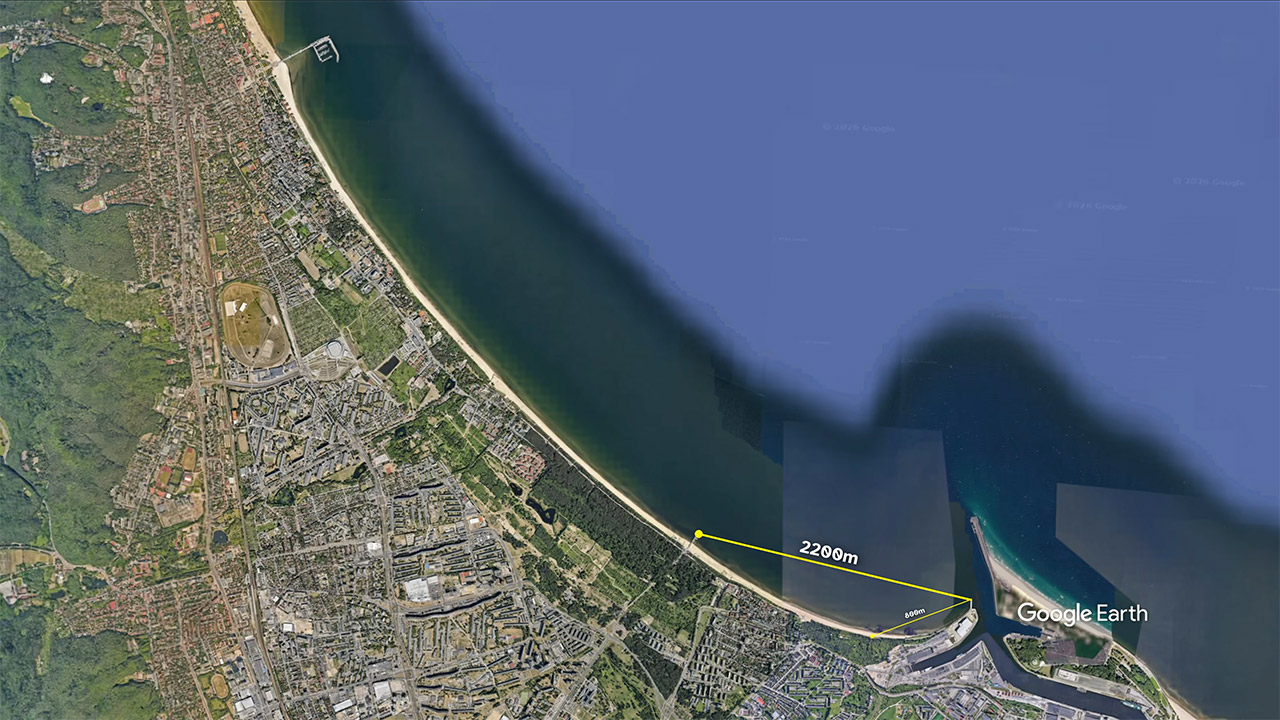
A short mast supports components that can only perform their functions in the air. When the subsurfaces at the targeted location, a GPS antenna gets a fresh reading, which is used to update the sound sensor’s estimate. A LoRa radio, which they claim is entirely compliant, allows them to send an abort signal if the machine has drifted into the weeds or somewhere that is just out of reach by hand. Range testing on land revealed 800 meters, then 2,200 meters, and finally 6,700 meters, and the link remained operational even after the antenna snapped.
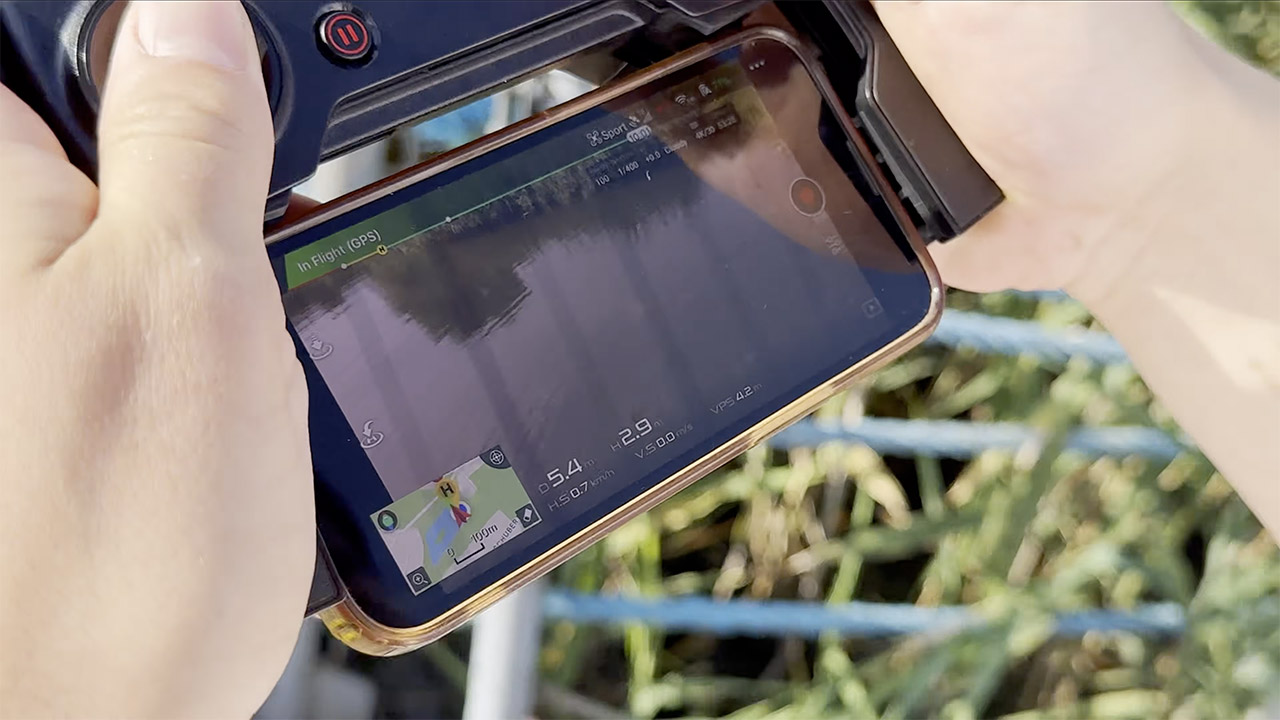
The software on a ThinkPad then connects all of those bits into a cohesive path. Waypoints inform the hull when to dive, when to use the sound sensor, and when to come up for a correction. They had already ran a simulation before arriving at the lake. In the actual world, the goal was to complete a loop around a small island and back. Their first free run strayed a little off course and ended up caught in the bushes, forcing them to pull it in with a thread attached to a small foam float. The second run, however, went under alone, approximately a meter below. An above drone watched from above as it passed over the top, vanished out of sight, then resurfaced at the start. Anything more than around 5 meters offshore posed a risk to the island or the shoreline. They estimated the chances of everything working well at roughly 60% before letting it go.
[Source]
Filip and Peter Cut the Leash on an Autonomous Submarine Bound for Titanic
#Filip #Peter #Cut #Leash #Autonomous #Submarine #Bound #Titanic