How USA ’94 changed football forever
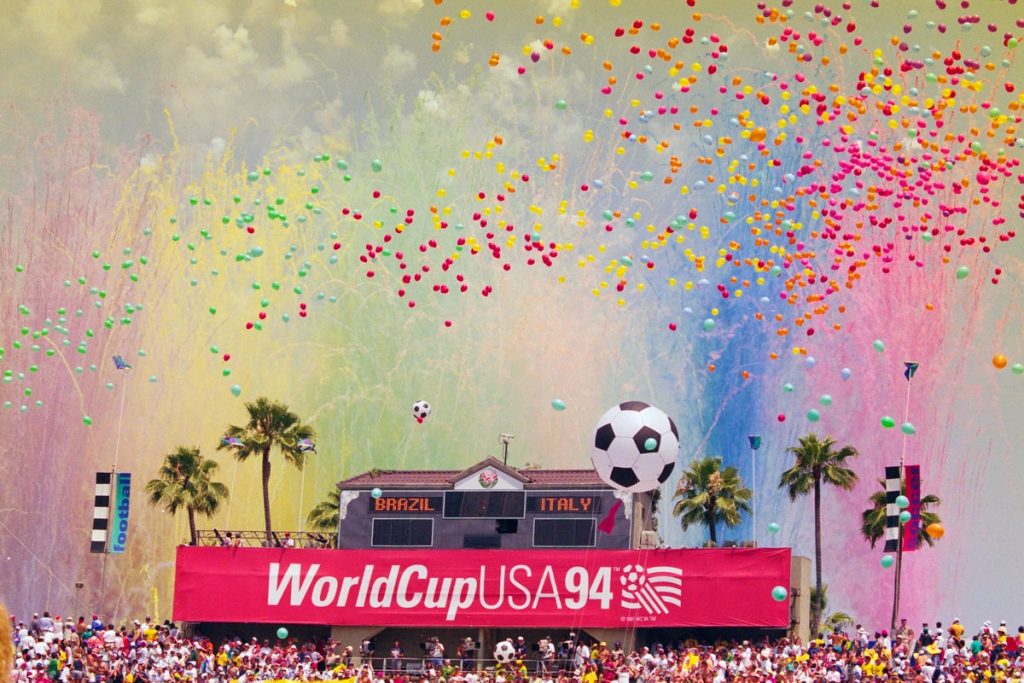
On the day that USA ’94 started, as Jack Charlton tried to deliver instructions at Giants Stadium ahead of Ireland vs Italy the following evening, some of his players just couldn’t stop looking up. “My eyes were everywhere,” Andy Townsend said.
The stadium, on the site of the current MetLife Stadium, and which will be known as New York New Jersey Stadium this summer, was different to European football grounds, but that only made its scale all the more striking. It wasn’t quite the World Cup as they knew it, but it was special. As Townsend and his teammates looked up, of course, the view was made all the more spectacular by how it reached into bright blue skies.
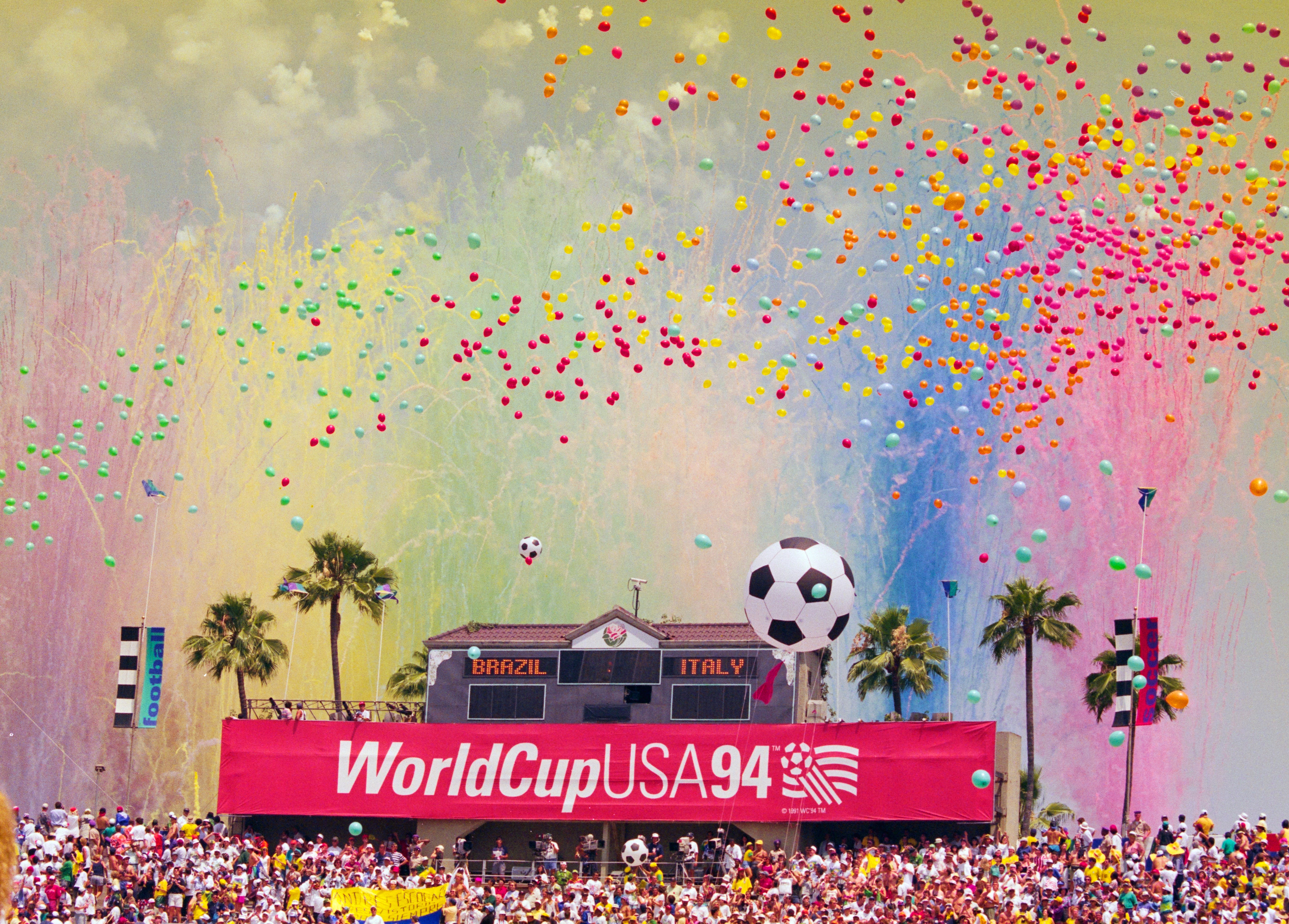
That remains the impression of USA ’94. Through all of the historic images, from a Romario toe-poke to the audacity of Gheorghe Hagi and Roberto Baggio’s final penalty miss, everything is so bright.
Global TV demands meant games were played in daytime heat, as the Mexico World Cups were, but with superior broadcasting technology, the colours were captured.
Such a vision of the future seemed fitting for a tournament all about expanse. A World Cup in the US at that point seemed like a pinnacle, especially with what the country was in terms of entertainment culture. Everything seemed to gleam.
If it seems hackneyed to say the brightness reflected football being illuminated for a new world, that’s exactly what happened.
The feel of 2026 might be very different, right down to darker political shades, but none of it would be possible without 1994.
The scale of change is also remarkable.
The Irish players might have been awestruck by the Giants Stadium, but outside, as Townsend put it, there was “no buzz, no hype, no tingle of anticipation about the streets”.
The US didn’t even have a national league. There wasn’t a single American owner in European football and, even by 1999, Chester City’s Terry Smith provoked bemusement.
During the opening game, Germany’s 1-0 win over Bolivia, newsflashes interrupted coverage to report on OJ Simpson’s notorious “White Bronco chase”.
Many participating players were admittedly just as transfixed. It alleviated the pre-internet boredom.
Other television spots had American citizens wondering whether the World Cup was “some kind of violence”. A piece in USA Today even said that “hating soccer is more American than mom’s apple pie, driving a pickup or spending Saturday afternoon channel surfing with the remote control”.
Within some of this was a tension on both sides about what might happen if the country did start to take soccer seriously, both for football and American sports.
That tension was sensed in much greater debate within Fifa. Through the pitches for US hosting in the 1980s, Uefa’s Italian president Artemio Franchi derided “a World Cup for multinationals” and the commercial route football was taking.
Now, there isn’t a single public doubt expressed. Fifa is all in. The streets will be covered in World Cup ads.
Football doesn’t need to sell itself to the US. America instead offers the game’s new gold rush.
Much of this is down to USA ’94, and a lot of that to its architect, Alan Rothenberg.
The former lawyer managed this “big bounce” – which is also the title of his book – by embracing what the World Cup actually was in the US at the time: a fringe curiosity.
“In 1994, we were coming off ground zero,” Rothenberg tells the Independent. “I wasn’t sure how much Americans would take to it. What we did know was Americans love a big event – so we’d make it into a big event.”
That was how Rothenberg sold it, literally.
Having successfully lobbied for the biggest stadiums when Fifa wanted to go smaller, Rothenberg held prize-fight-style press conferences in each city to declare a certain ticket allocation was sold out.
“Good old-fashioned hype,” as he puts it. “In terms of tickets, we did something new.” That also had a lasting effect on Fifa.
Some were for good, since family tickets were introduced as well as venue packages for specific stadiums, and team packages to follow one side.
Some were more questionable, as this was the World Cup when hospitality packages were essentially created. Rothenberg came up with the idea of bundling different elements together with your match ticket. It’s remarkable to think now that Fifa wouldn’t even allow his team to advertise such tickets, and insisted on keeping most prices low.
“We next had more celebrities and singers and movie stars to make it into a bigger event,” Rothenberg says. For all that he now glows about Barry Manilow, Faye Dunaway and Dick Clark being involved, there’s of course only one celebrity moment most of the world remembers: Diana Ross in the opening ceremony.
USA ’94 started as it finished: with a penalty miss.
If the intricate choreography of a goal bursting open was ruined, Rothenberg says he couldn’t help but laugh.
“It’s part of the lore.”
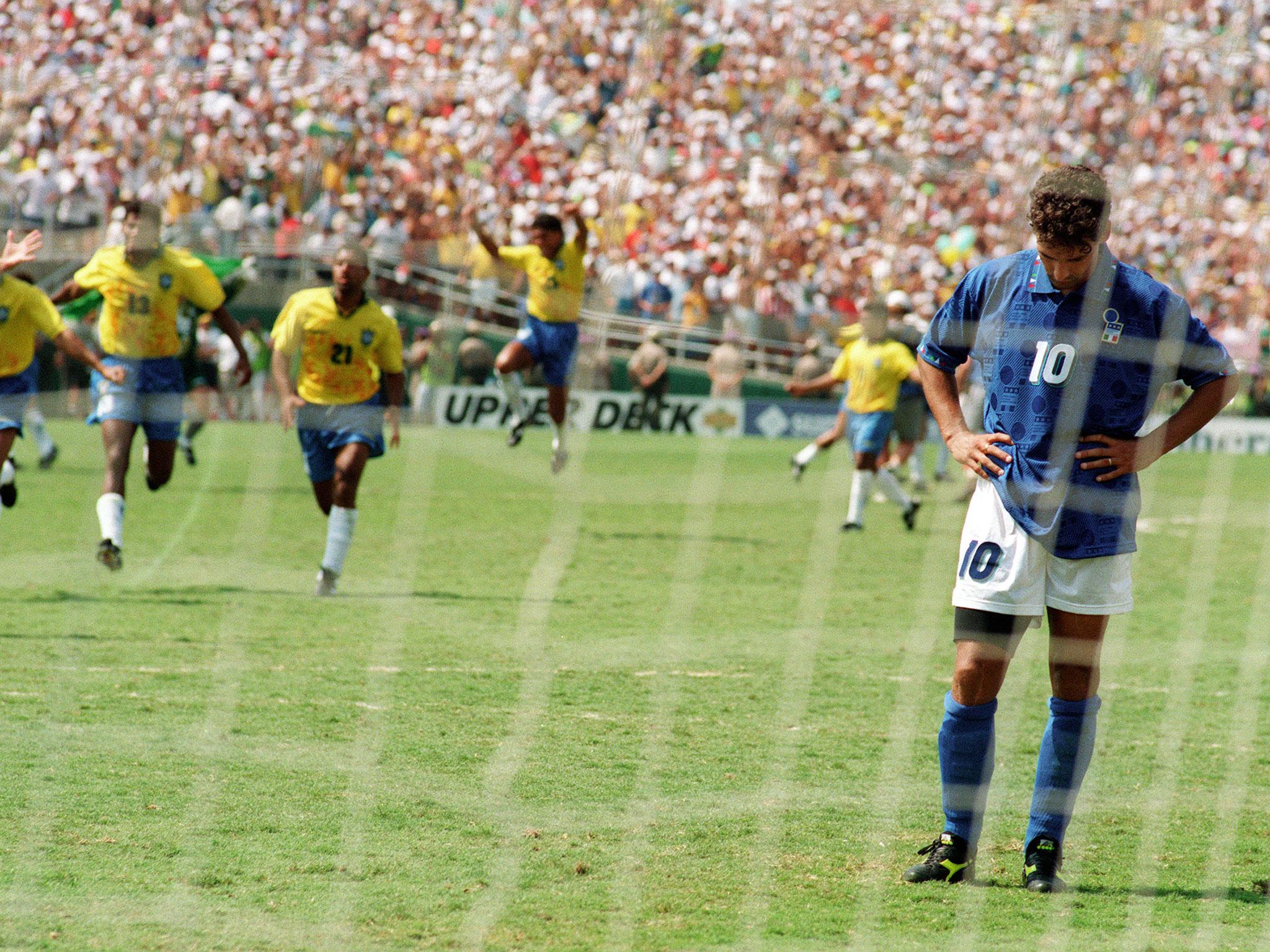
The efforts were a spectacular success. USA ’94 still holds the record for the best-attended World Cup, at an average of 68,991 fans per game.
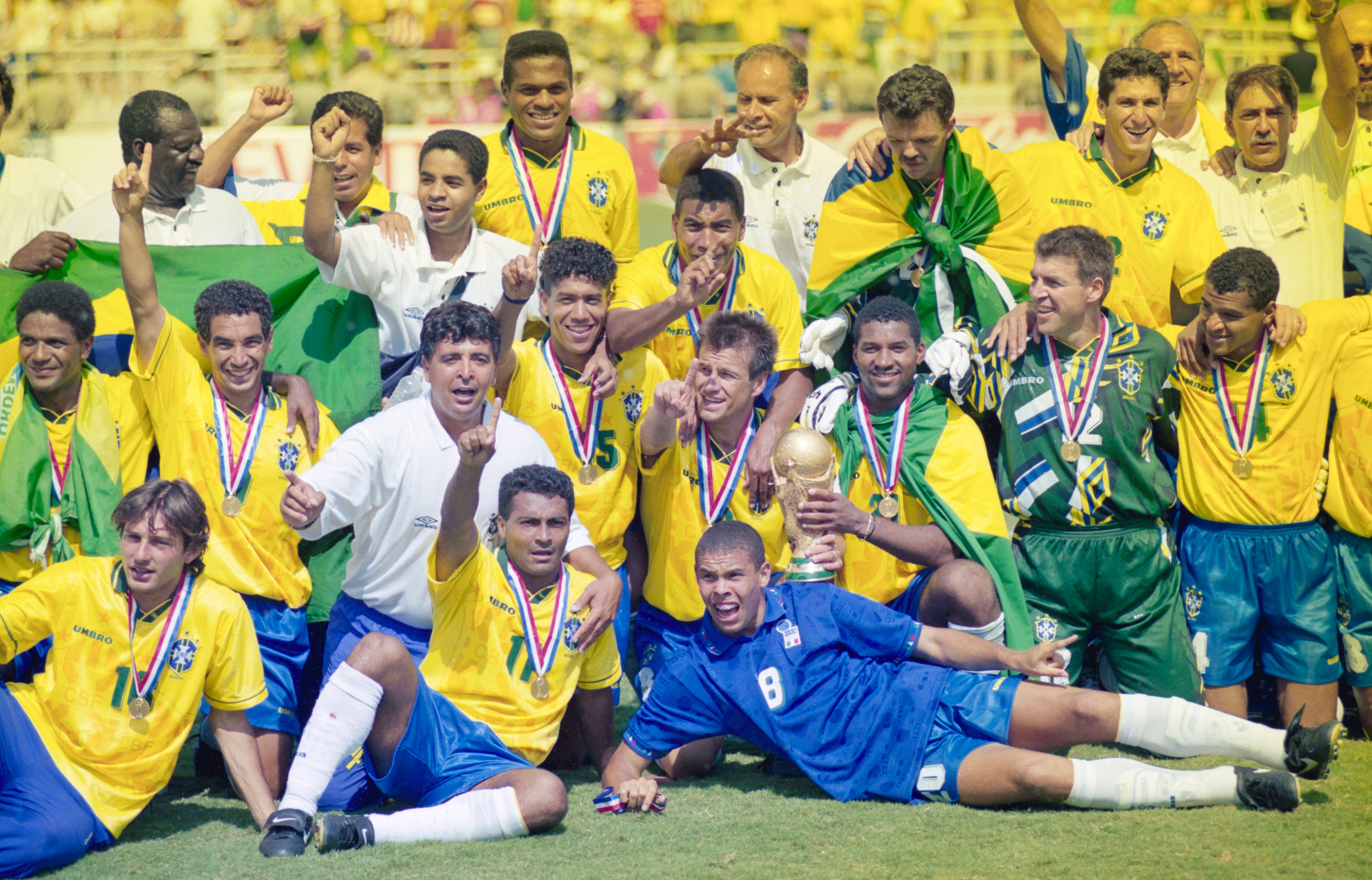
Those crowds also got to see a festival of attacking football, with so many moments that entered football lore. As befitting the sense of spectacle, USA ’94 was enriched by so many storylines, from Brazil’s first win in 24 years and Baggio’s fall, rise and fall, to the ironic success of former communist countries in Romania and Bulgaria as well as Diego Maradona’s disgrace. More darkly, there was Colombia’s descent into tragedy, with the murder of Andres Escobar.
It was actually the host nation who set off that descent, beating Colombia 2-1, and the other side of that was the US embracing its burgeoning team.
Even the cavernous billowing nets, the corners rising into the air as Gabriel Batistuta or Daniel Amokachi smashed a shot in, added to the very feel.
The heat of USA ’94 had sparked something.
“The tournament accelerated the growth of soccer exponentially,” Rothenberg says.
By 1996, Major League Soccer started. The 1999 Women’s World Cup continued the momentum.
Fifa had by then gladly taken up a lot of ticket ideas, to go much further.
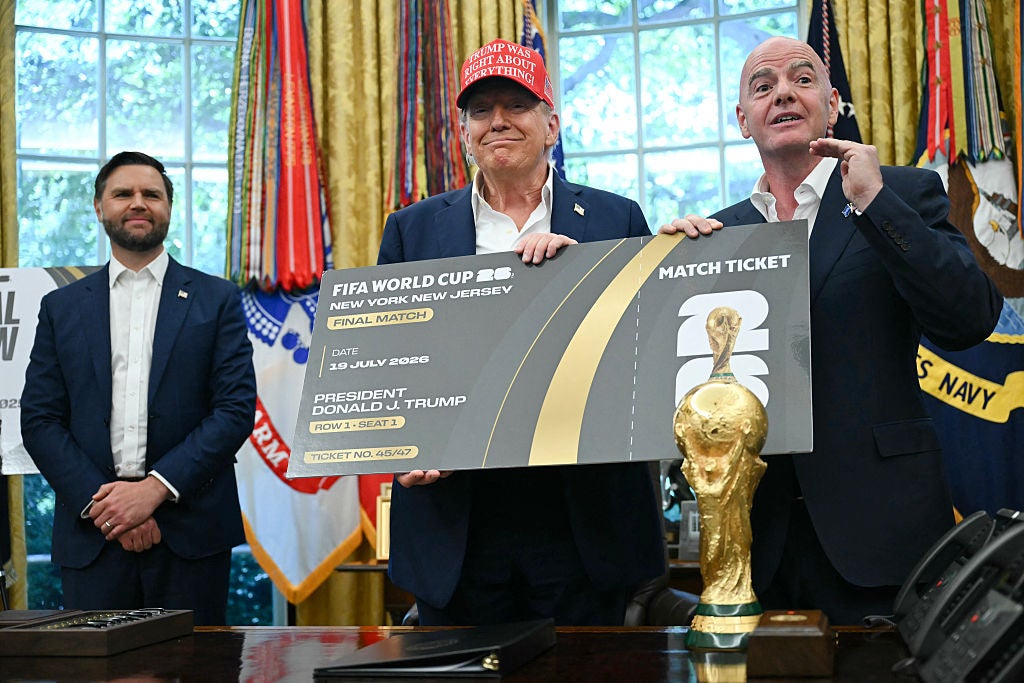
A lot of US businessmen, meanwhile, had been watching on from those hospitality seats, seeing something globally unique.
“Investors opened their eyes,” Rothenberg says. “I remember Robert Kraft being really intrigued by the international aspect.
“And actually, in terms of the Glazers, we had talked to them about being an investor in MLS. They took a look at it and said, ‘You know what, let’s go buy Manchester United’.”
The parallel rise of the internet stoked growing interest. US audiences no longer had to go to early bars for football. The whole population would be increasingly presented with them all the time.
Elliot Richardson, the executive chair of global reinsurance broker Howden Re and vice-chair of media and technology company OneFootball, who has a lot of experience in the international football business, cites figures of 15-25 million Americans watching some form of football every week – mostly the Premier League and Liga Mex.
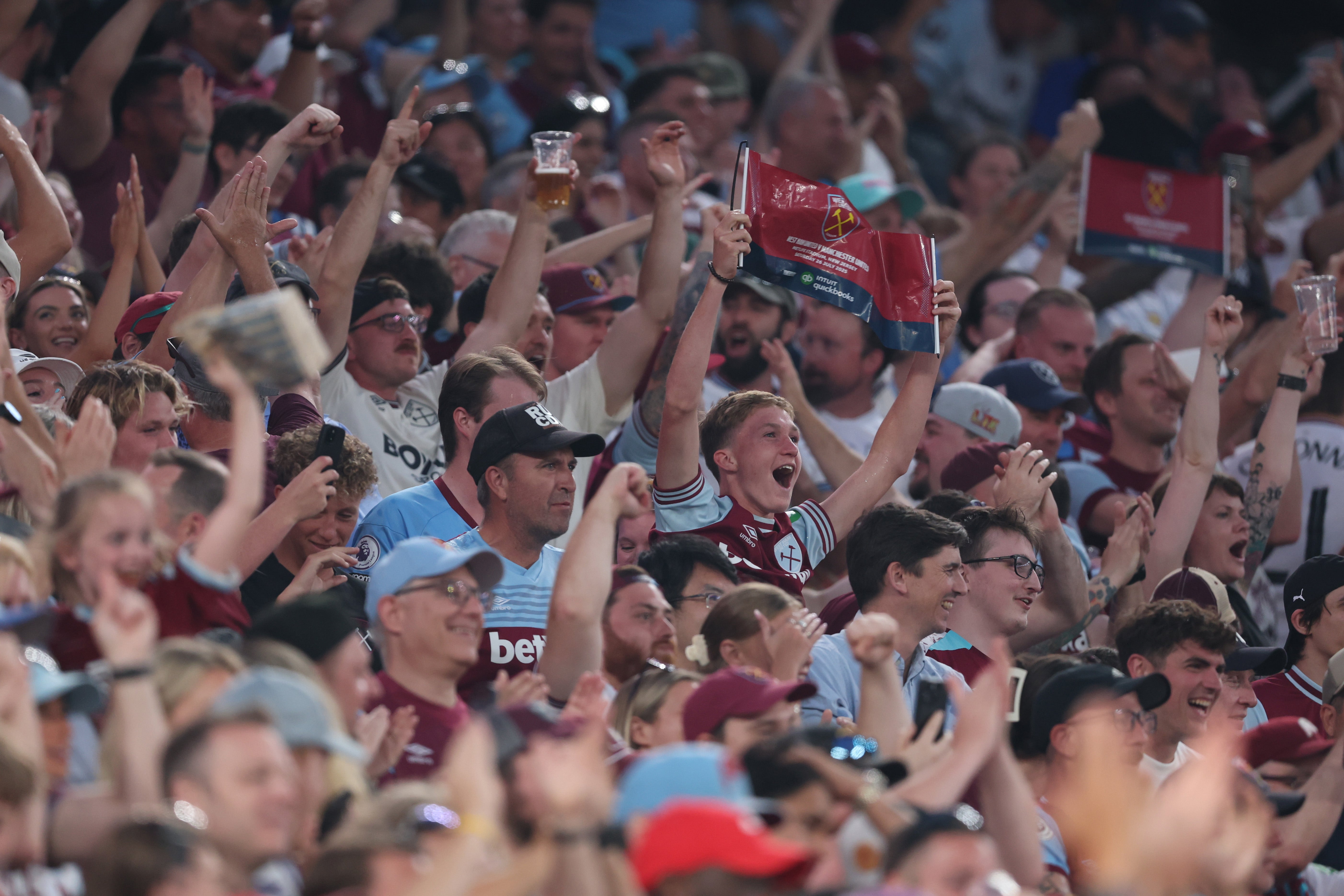
“Soccer went from a niche sport in 1994 to a major mainstream American sport by the mid-2020s,” Richardson says. There is now evidence to suggest it is the USA’s fourth biggest sport, more popular than baseball.
On the other side, US ownership rushed into the European game. The Glazers are now among 11 American owners of Premier League clubs alone.
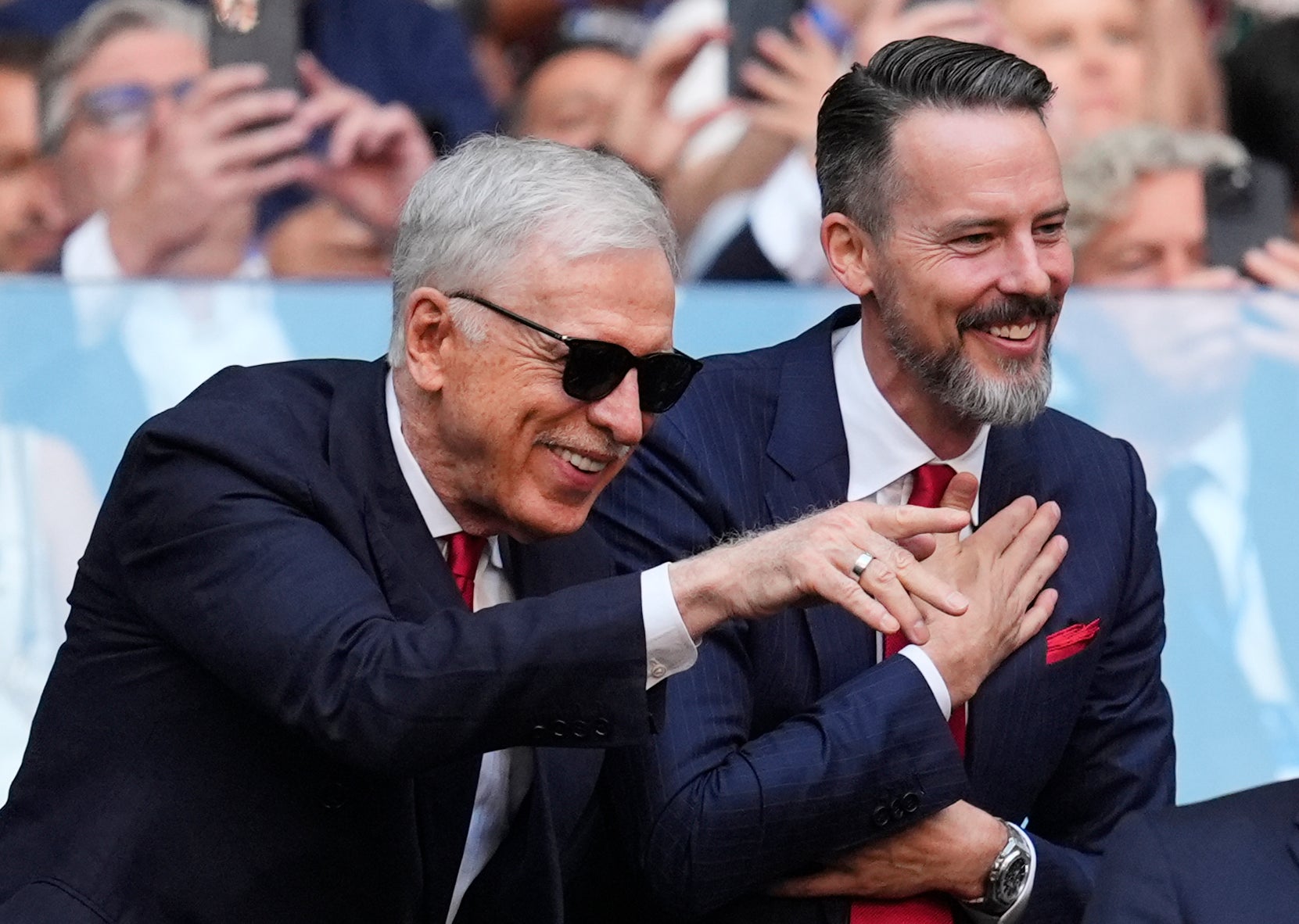
It got to the point that, when Bournemouth’s 1-1 draw with Manchester City concluded just before an NFL meeting at the end of the season, many owners rushed over to their counterpart at the LA Rams.
He is, of course, Stan Kroenke, who also owns Arsenal, and had just enabled Mikel Arteta to guide the Gunners to a first Premier League title in 22 years, so was being congratulated by fellow Premier League owners in the room.
So much of this was inconceivable in 1994, but wouldn’t have happened without it.
“We’re not on ground zero any more,” Rothenberg says, before referencing a former MLS commissioner. “Don Garber is spot on. We’re the ATM for soccer in the world now.
“The real problem is whether we oversaturate, which is a problem nobody would have thought existed 30 years ago.”
Other problems have arisen with that. The US team underachieves due to the very size of the country and established coaching cultures out of sync with elite football.
Like many other countries, interest in football is really interest in the Premier League and other major foreign competitions. Most of the money goes out, rather than in. The country isn’t yet taking the game as seriously as it could.
Perhaps that’s the next step after this. A US commercial model is already being imposed on the game. Owners are desperate to follow the ticket precedent of this World Cup.
Anywhere your eyes go, football will be everywhere.