Inside the Computer That Powered Microsoft’s $10,000 Surface Table from 2008
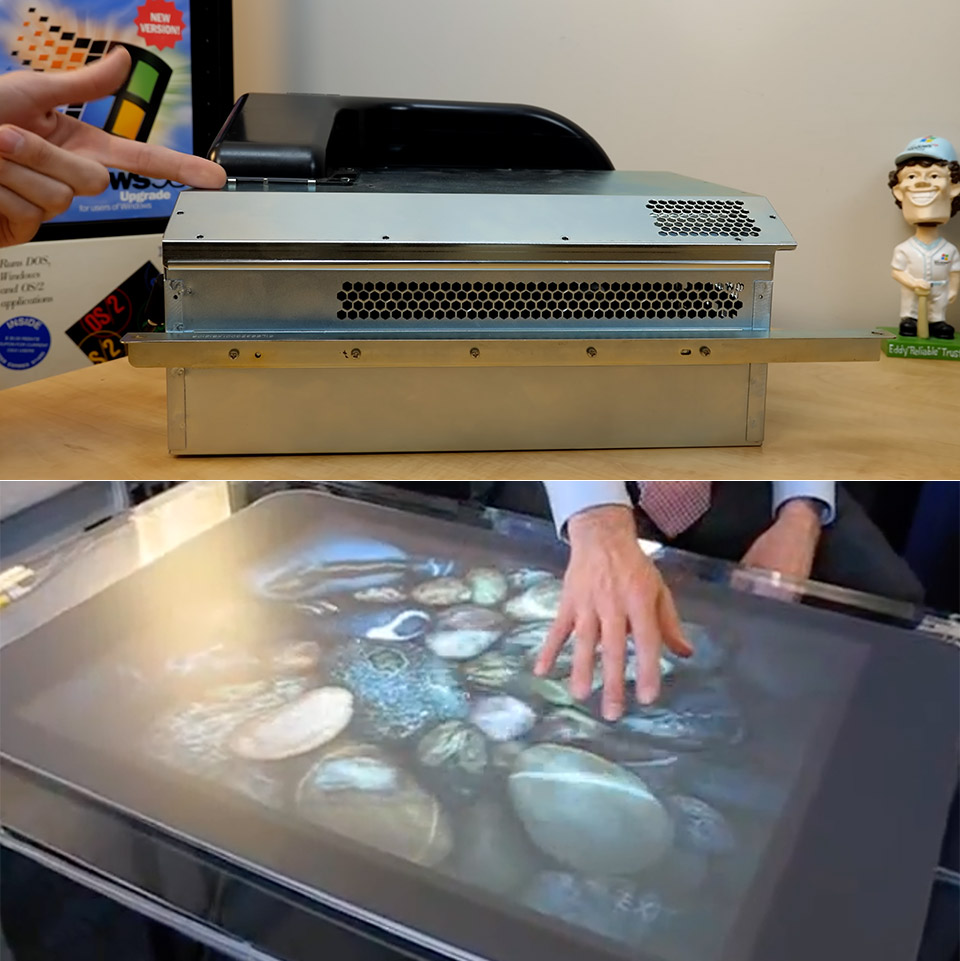
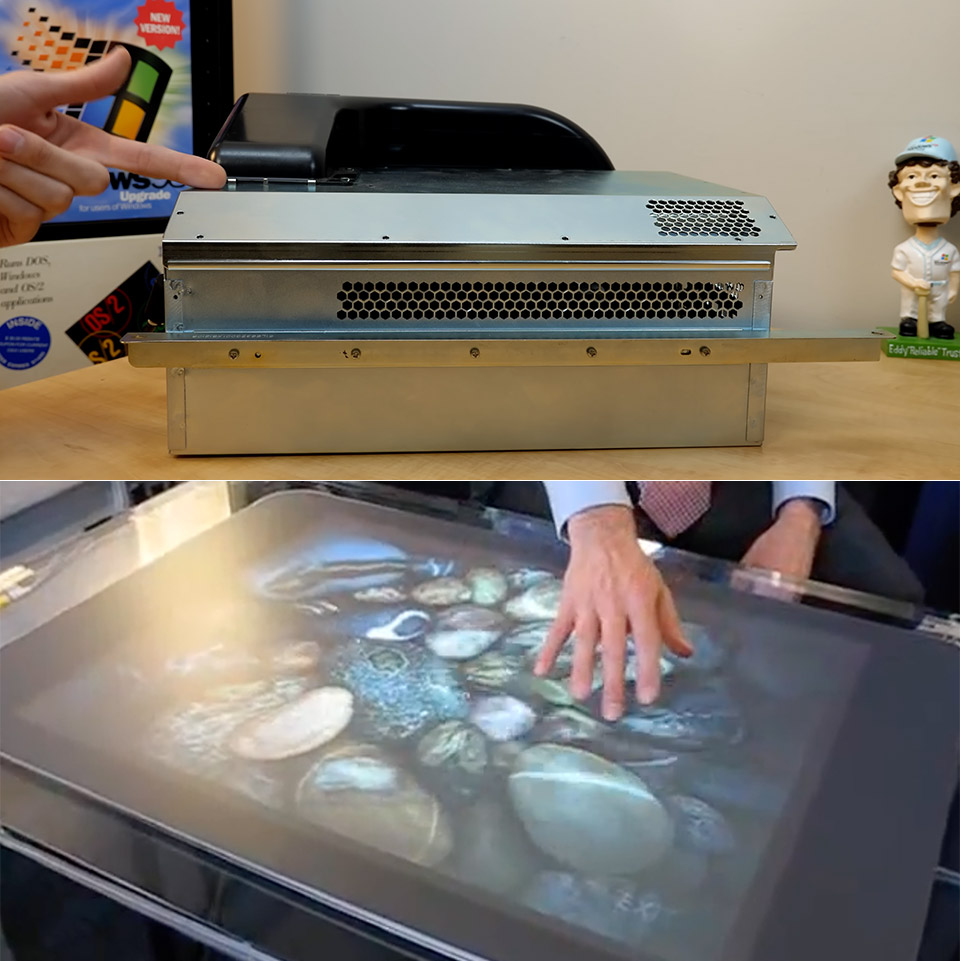
Photo credit: Bot Junkie
Michael MJD recently tracked down something most people never knew existed. Back in 2008 Microsoft released a giant touch table called Surface. It weighed close to 200 pounds, cost around $10,000, and turned an ordinary tabletop into a shared computer screen. The public saw the glowing surface and the wild multi-touch demos. What stayed hidden was the actual computer that made the whole thing work.
MJD purchased only the computer portion, which was marketed as new old stock on eBay. He brought the metal box home, opened it, and showed everyone what hardware Microsoft chose for one of its most ambitious products. He began by removing a row of screws around the enclosure. The first thing to come out was a molded plastic component. It was designed to divert airflow out of the power supply and keep everything cool inside the cramped enclosure. With the plastic removed, a metal cover was lifted, revealing the components underneath.
Sale

Acer Aspire Go 15 AI Ready Laptop | 15.6″ FHD IPS Display | AMD Ryzen 3 7320U | AMD Radeon 610M Graphics…
- Exceptional Performance and Productivity: Experience smooth and responsive performance powered by an up to AMD Ryzen 3 7320U processor and 8GB memory…
- Copilot in Windows – your AI Assistant: Do more, quicker than ever across multiple applications with the centralized generative AI assistance of…
- Immersive Visuals: With its narrow bezel design the 15.6″ 1080p Full HD IPS display is perfect for casual web browsing and watching movies or…
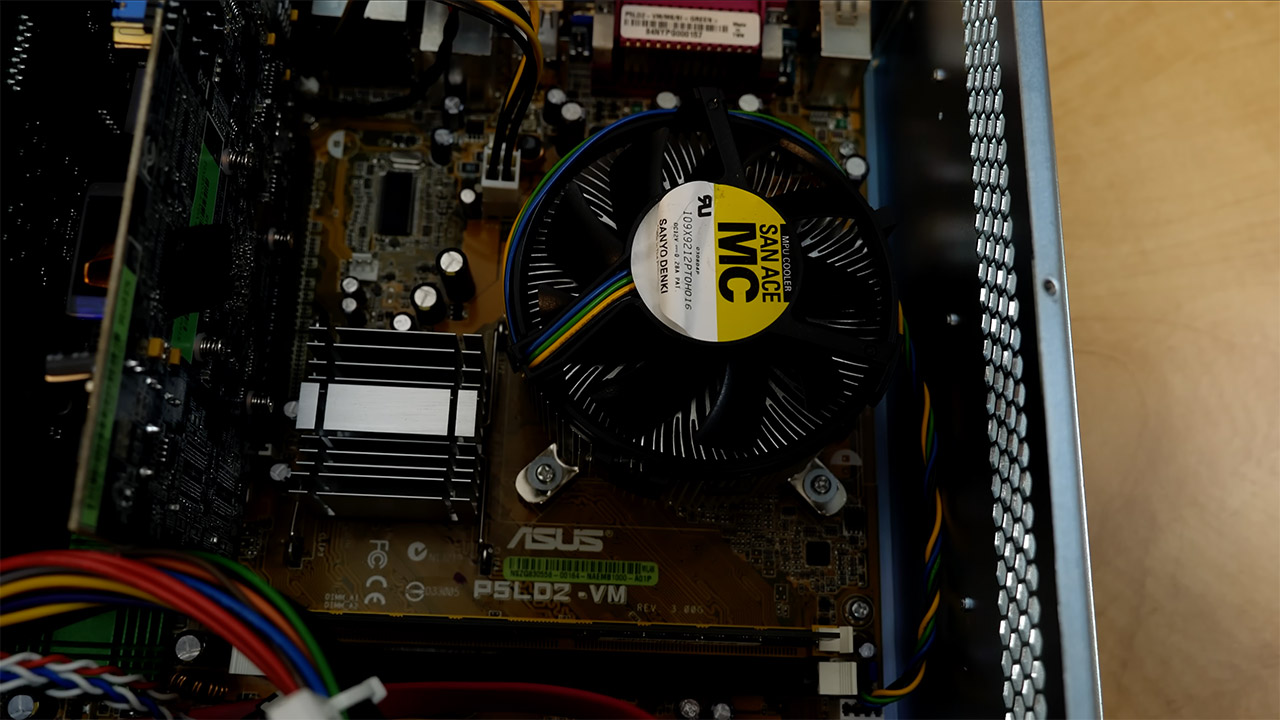
The foundation was an Asus P5LD2-VM motherboard with Intel’s LGA 775 socket. This was a typical board from the mid-2000s, chosen because it was dependable and well-known to manufacturers. Everything else in the box is connected to it. The socket housed an Intel Core 2 Duo E6400 clocked at 2.13 GHz. MJD left the heatsink in place during the initial assessment, but later validated that the processor precisely matched the specifications Microsoft gave for the original tables. It came with two 1 GB memory sticks, giving the machine a total of 2 GB of DDR2 RAM. Storage came from a 250 GB hard drive, however official records for the first-generation Surface frequently indicate 160 GB, so the larger drive raised a minor concern. It could have been swapped at some time during the unit’s life, or the published numbers merely differed between early manufacturing runs. In any case, the drive was installed in the same location as a typical desktop PC.
A Sapphire Radeon X1650 Pro card with 256 MB of internal memory handled graphics responsibilities. This was a reliable mid-range card from 2006 that handled the graphics for the table’s rear-projection display. The motherboard included minimal integrated graphics as a backup, but the separate card handled the actual job here. A second expansion card placed alongside the graphics card. This one carried Microsoft’s branding and was dubbed the Milan DSP board. It handled specialized digital signal processing tasks designed for the Surface platform. In the full table, this card most likely managed data from the infrared cameras or enabled the system’s unique networking characteristics for communicating with things on the surface.
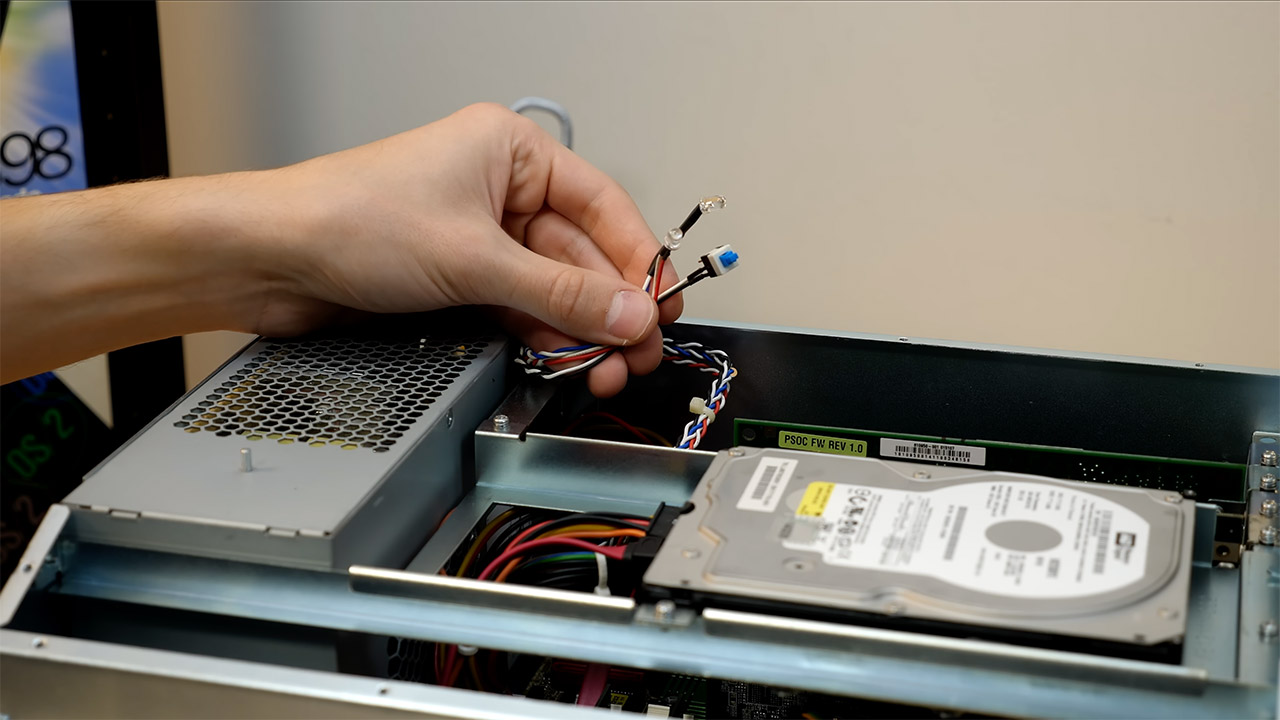
Power came from a supply housed within the same box. MJD didn’t have the original table’s custom wiring harness, so he connected a simple power button salvaged from an old eMachines PC to the motherboard’s two-pin socket. That simple hack was sufficient to bring the system to life. When turned on, the machine booted into a modified version of Windows Vista designed specifically for these tables. The desktop featured large, finger-friendly icons and a suite of programs based on the Surface vision. MJD navigated through a music app, a few games, and other programs created for the platform years ago. Everything functioned as it would have when the entire table and its large screen were still attached.
He did a few quick checks to confirm the hardware. Task Manager and basic system utilities showed that the Core 2 Duo processor and Radeon card were working as expected for hardware at the time. There were no surprises, simply a clean, working example of the identical configuration that Microsoft delivered with the original Surface tables. The entire tables are extremely rare today. Complete working devices are practically never available for sale, and when they do, they attract high collector prices. Owning the computer part alone still provides a direct look at the practical decisions behind a device that appeared futuristic in 2008.
Inside the Computer That Powered Microsoft’s $10,000 Surface Table from 2008
#Computer #Powered #Microsofts #Surface #Table