Inventor Builds a Supersonic Anti-Tank Blowgun Using Sabot Darts
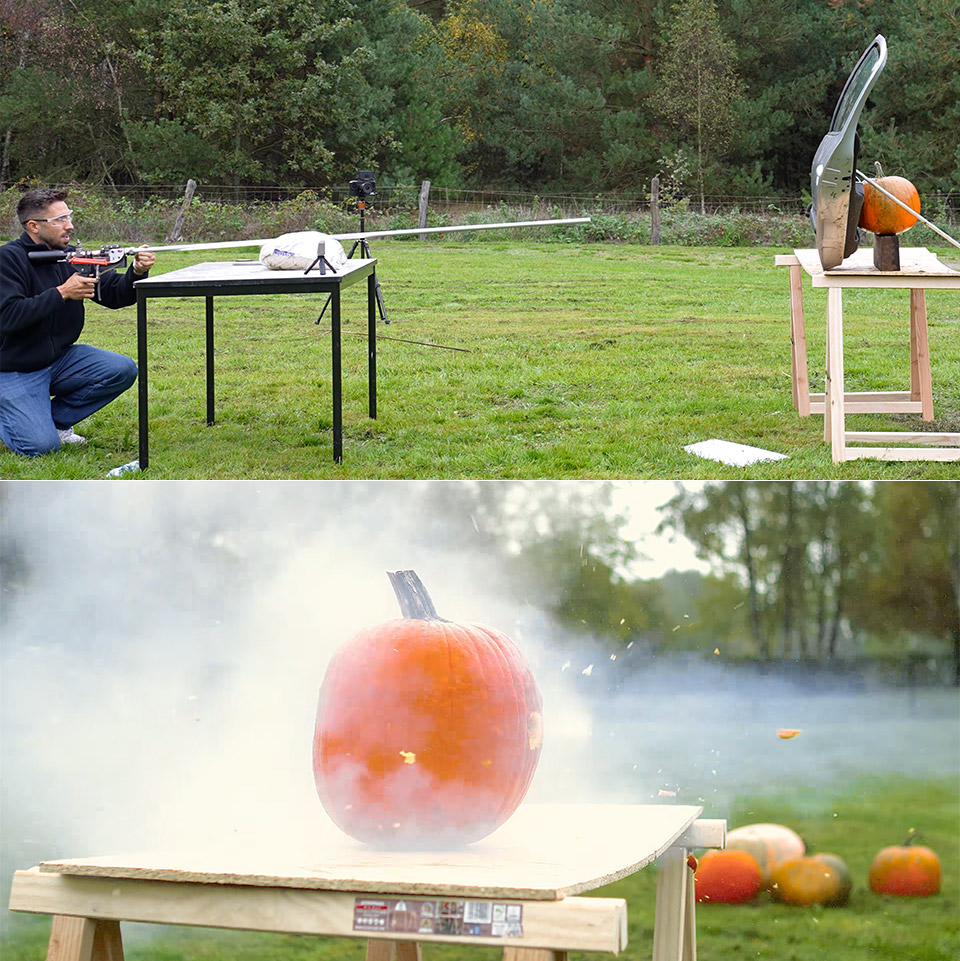
Months after showing how a basic blowgun could punch darts deeper than expected, Mike Shake decided the next step needed far more force than lungs or a toilet plunger could ever supply. He already owned a shockwave cannon that stores compressed air at roughly 4,500 PSI, a pressure 1,285 times higher than a human breath. Attaching that cannon to a two-meter barrel with an 18-millimeter bore turned the old blowgun idea into something that could push hardened steel faster than the speed of sound.
Real anti-tank rounds employ a sabot, a homemade sleeve that seals the barrel and then peels away after the gun fires, sending the thin projectile flying with little drag. Shake has virtually replicated the strategy, utilizing 3D-printed sabots constructed of a very durable blend of resin and carbon-fiber nylon.
Sale

Nerf Rebel Ops Doom Cannon | 60 Foam Darts & 5 Supershells, Outdoor Action Play, Ages 8+
- BECOME THE HERO OF THE BATTLEFIELD: Step into the game and command the arena with the Nerf Rebel Ops Doom Cannon blaster. Designed for next-level…
- 60-DART CAPACITY FOR HEAVY FIRE: This cannon comes loaded and prepared to stand out in every battle with 60 Nerf foam dart capacity from 5 reloadable…
- SUPERSHELL TRI-SHOTS: Fire 3 darts at once for a triple-impact blast. Pump-action priming lets you rain down foam in rapid succession
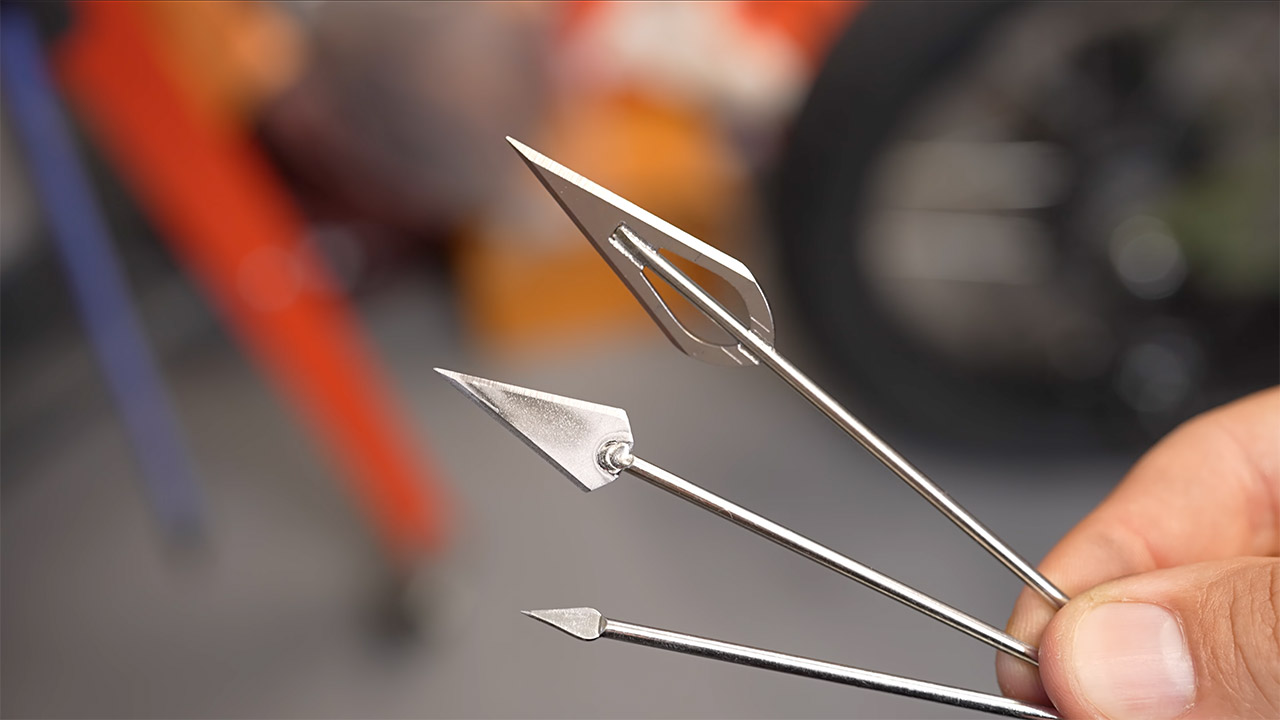
The initial prototype was all about getting the fit just right, as in not so loose that it falls off under pressure, but not so tight that it becomes caught in the barrel. That meant utilizing thin hardened steel darts, boggan points with a vicious point on the end, and even 4 millimeter nails, all of which were roughly the same shape and handled in the same manner. A larger barrel creates greater air pressure, which is the same principle that allows a larger sail to catch more wind.
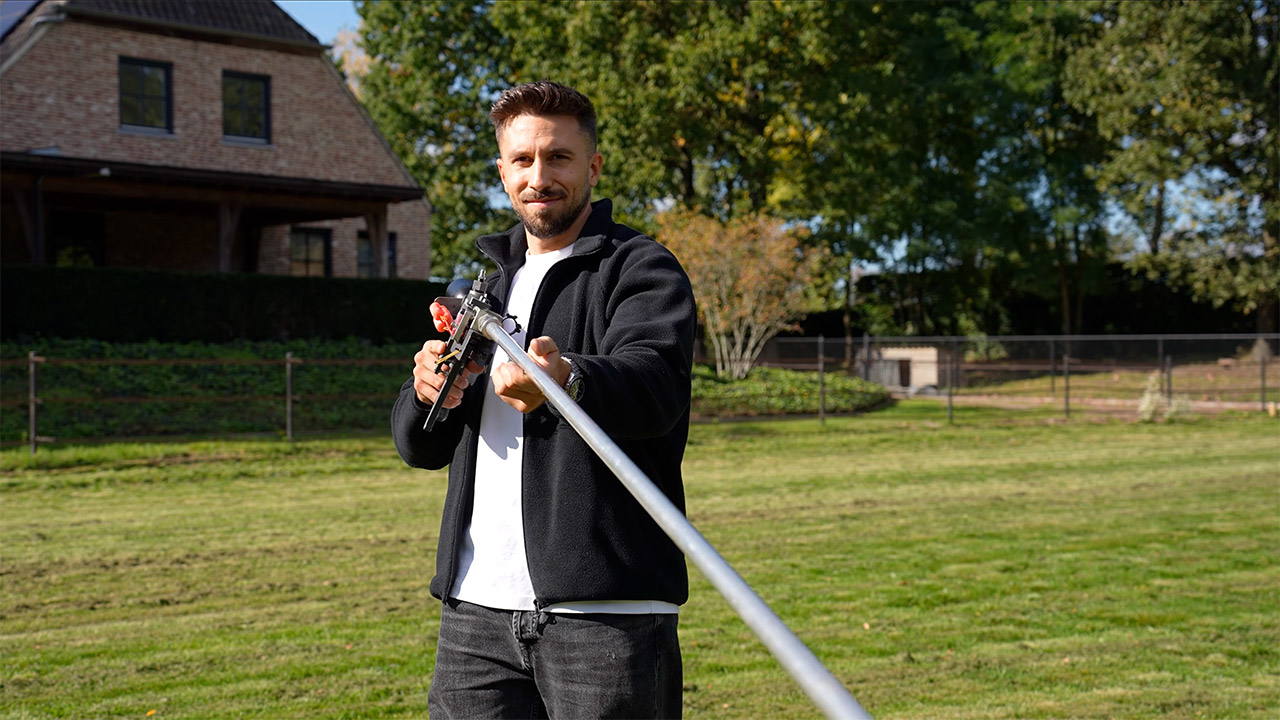
Testing was carried out in another country (Netherlands) since the resulting product exceeded local air-powered weapon regulations. With the pressure raised up to 3,850 PSI, the lightest darts flew through the air at 385 meters per second, well above the sound barrier. A tiny nail lodged in a Level 4 military vest, the highest-rated personal ballistic plate available. Full pressure bullets sent nails through a car door, a ballistic dummy head, and even the metal cage of a computer monitor. One shot fired at 100 meters still traveled at 315 meters per second and carried 615 joules, enough energy to keep a nail on a straight course from 100 to 315 meters.
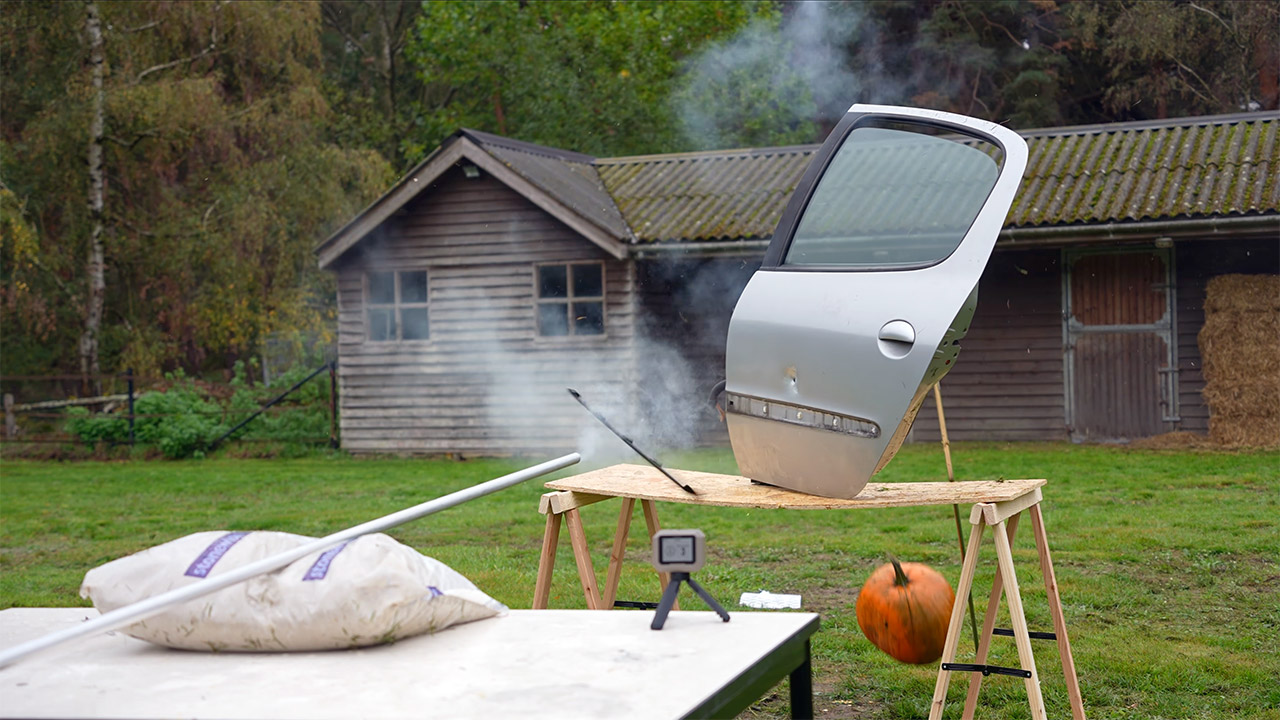
The barrel remained clean, with no damage from having the sabot in it. Thin darts had roughly the same energy as a.22 rifle round, while heavier nails had about the same energy as a.40 or.45 handgun shot. It wasn’t only about the energy; the targets were moving as a result of the impact rather than leftover gas, and the Level 4 plate was really knocked off its position when the nail hit it. Shake said the finished launcher was the most powerful and dangerous thing he’d ever created for the channel. What was once just a simple tube blown up by your breath is now capable of firing armour-piercing darts with the speed of a rifle.
Inventor Builds a Supersonic Anti-Tank Blowgun Using Sabot Darts
#Inventor #Builds #Supersonic #AntiTank #Blowgun #Sabot #Darts