Jude Bellingham shows the trait ignored by critics to prove he’s England’s best No 10 at World Cup
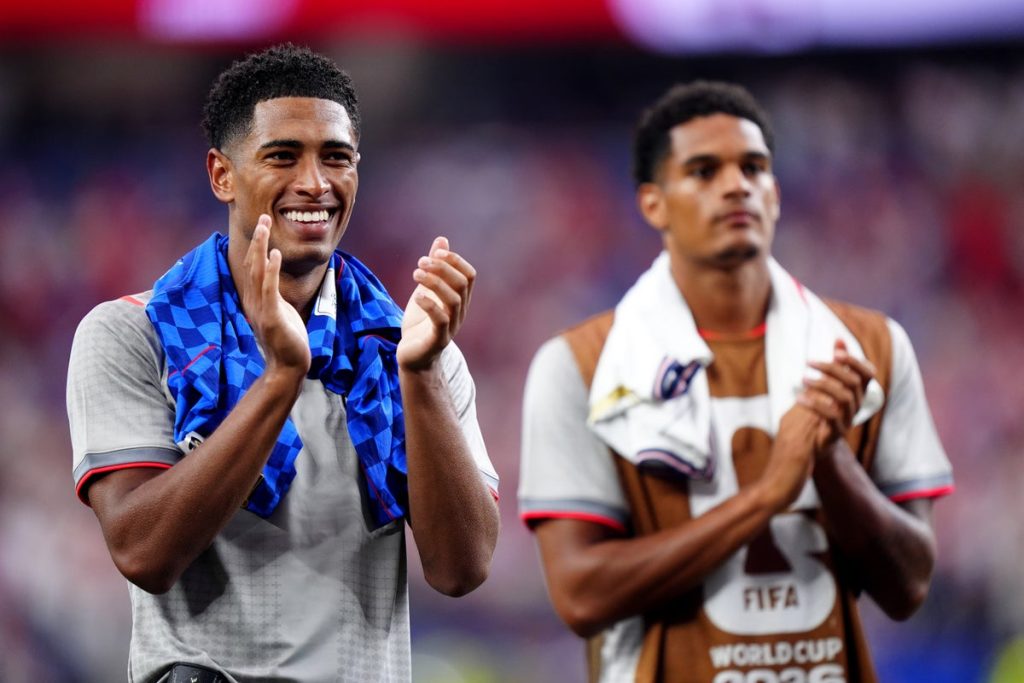
As Jude Bellingham walked off the pitch, a familiar tune rang out from the public address system inside the giant Dallas Stadium. England fans sang along to “Hey Jude” as Bellingham walked towards the tunnel, waving to the crowd, embracing his teammates, taking the adulation in his stride.
This was ostensibly Harry Kane’s night, scoring two goals which took him level with Gary Lineker’s tally of 10 at World Cups. But perhaps the evening meant more to Bellingham, a player who has been publicly questioned and privately doubted by his own manager, who has been subjected to scrutiny unlike his teammates. “Don’t bring Jude,” ran a headline in the Daily Mail earlier this season, suggesting England would be better off without him at the World Cup.
“It’s good to put some of the noise aside and just show my country and my teammates how committed I am to helping us win football matches,” said Bellingham, after scoring England’s third goal in a 4-2 win.
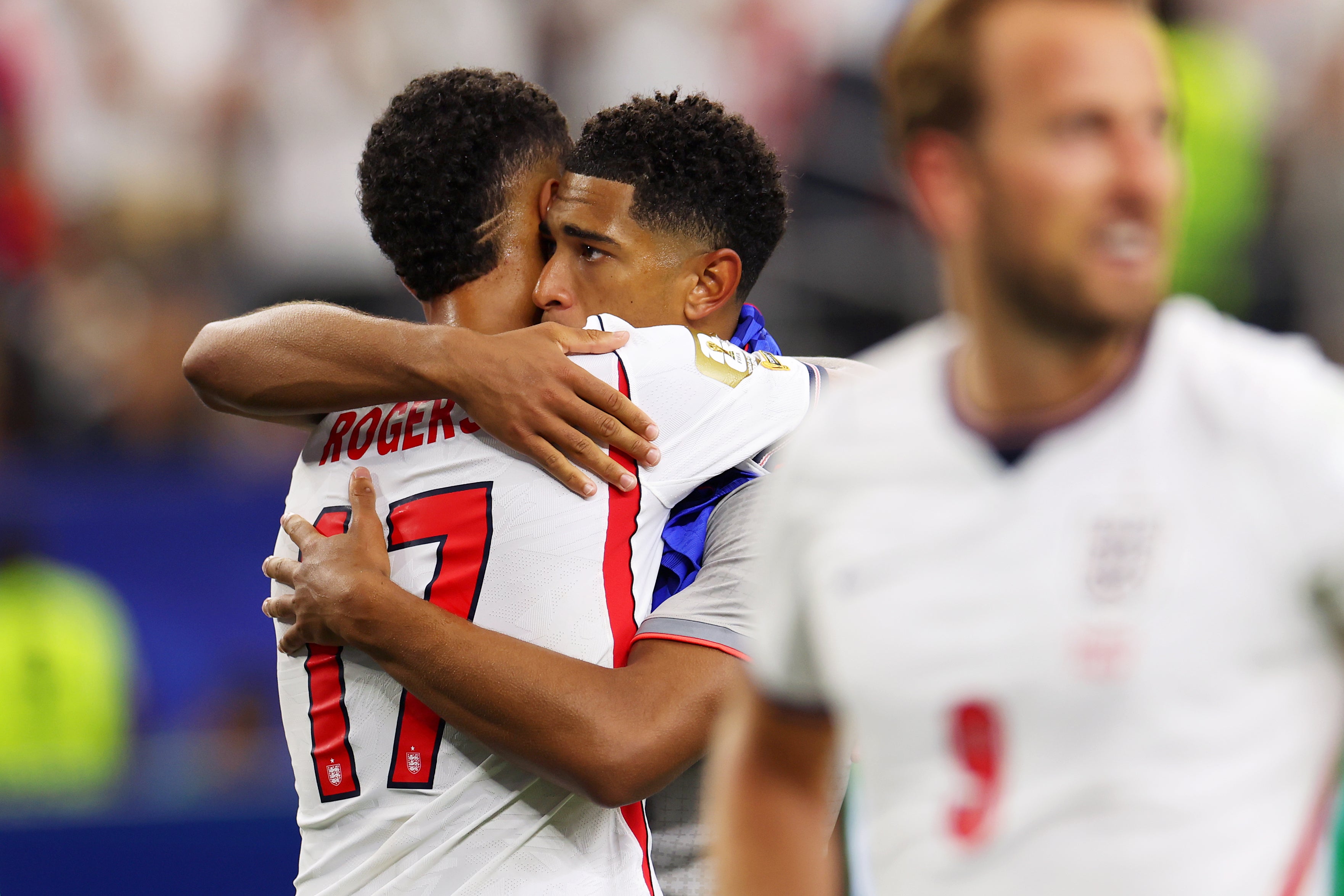
One of the decisions Thomas Tuchel stewed over before this opening game – and throughout his 18-month reign – was whether Bellingham or Morgan Rogers should be his No 10. Bellingham missed last September’s qualifiers after undergoing shoulder surgery and it was unfortunately timed. That was the camp when England played their best game under Tuchel, winning 5-0 in Serbia, in which Rogers was excellent.
Tuchel omitted Bellingham from the following camp despite his return to fitness at Real Madrid. There was also the infamous line about Bellingham’s “repulsive” on-field behaviour, which Tuchel attributed to his mother and a slip of the tongue in his second language, and for which he later apologised.
Tuchel felt England created a “brotherhood” during their September and October camps, and noted a moment in Serbia when a group of England players conducted their own meticulous warm-down despite not playing in the game. Could a powerful personality like Bellingham slip seamlessly into the fold?
Even when he made the World Cup squad, there was no guarantee Bellingham would start against Croatia. Tuchel was asked before kick-off, why Bellingham over Rogers? “It was really close,” the manager said. “In the end we stuck with the team that played and started so well against Costa Rica.” It was hardly a ringing endorsement of Bellingham’s qualities.
Was he picked because of his big-game appetite, that knack for scoring when it matters? Of Bellingham’s six previous England goals, two opened the scoring and three were late equalisers, including the overhead kick against Slovakia at Euro 2024. No, said Tuchel. “A 50-50 call,” he called it, as if Bellingham had just beaten Rogers in a game of rock-paper-scissors in the dressing room.
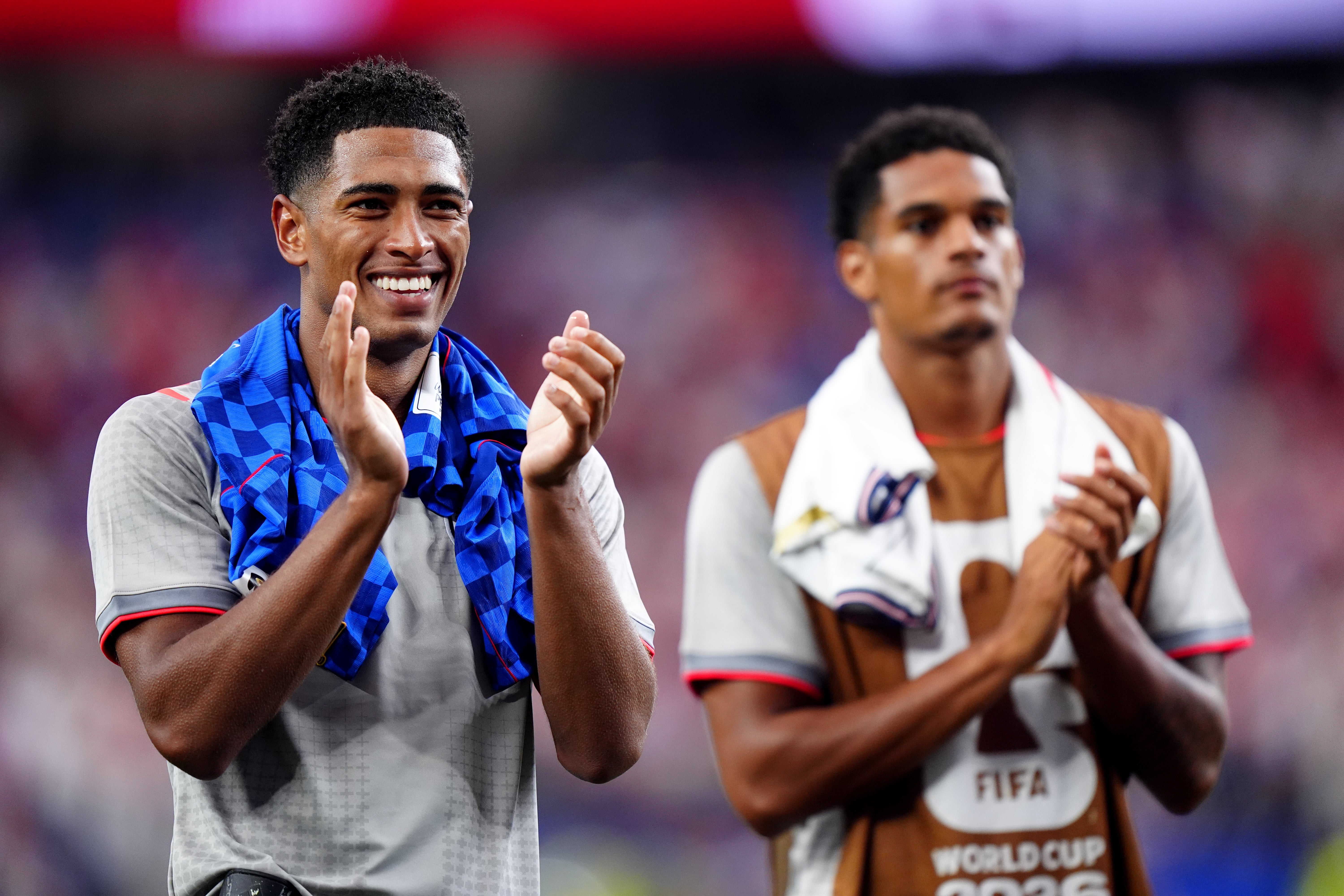
There are a raft of other No 10s Tuchel could have chosen. Eberechi Eze didn’t get a kick here. Phil Foden and Cole Palmer watched the game on TV. But really, what is the point of Bellingham’s unique talents if you don’t use them? England have a player who Real Madrid bought for €103m aged 19, who won the Champions League at 20, who is at his fourth major tournament at 22. Steven Gerrard played his fourth aged 30. Frank Lampard was 36.
Bellingham showed why he is an essential piece of England’s World Cup puzzle. There are the intangibles, like his sheer presence in an England team and what that brings. He already carries an aura that transmits confidence to his teammates, that makes opponents feel a little smaller as they line up in the tunnel.
And any doubts sown when he lost the ball in the lead-up to Croatia’s first goal were forgotten in an outstanding second half. English football’s great malady has been an inability to keep the ball against capable opponents in tournament conditions, in summer heat when the pressure ratchets up. It is something Gareth Southgate began to remedy in the latter phase of his tenure, but this 45 minutes was better still.
Bellingham was central to that control, receiving passes in deep positions and popping the ball off to a teammate, or shielding it from opponents and driving forwards with the ball at his feet. In that 20-minute blitz by England after half-time, Bellingham was physically and technically superior to everyone else in midfield.
Then there were his tackles, three of them, more than any other player on the pitch. These were not just toes on the ball but full slides through his opponent, comprehensive clean-outs, taking the man with him as he went. They brought low-octave hums of “Juuuuuude” from the crowd and enthusiastic applause from his manager.
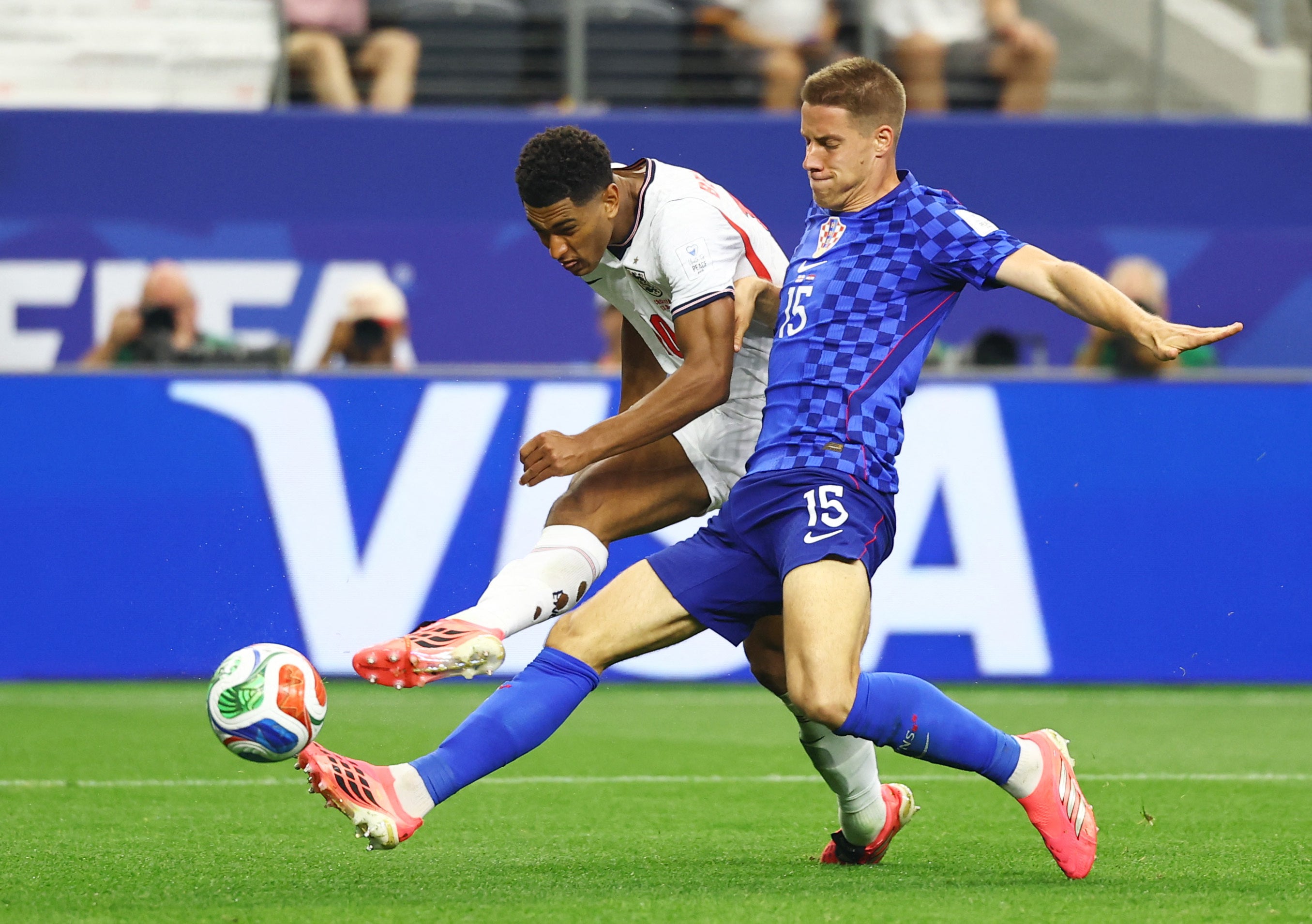
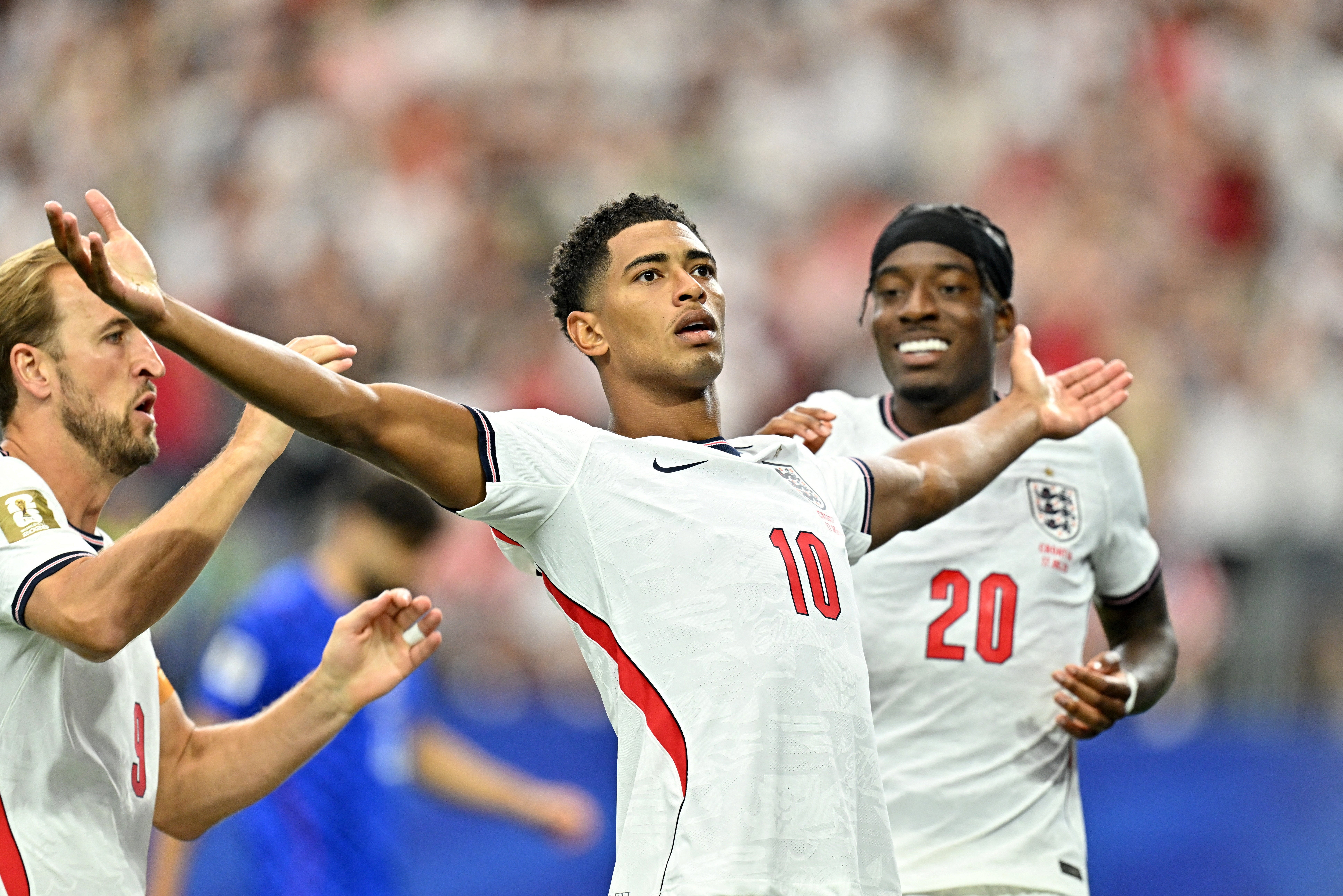
And then came Bellingham’s goal, the culmination of a 23-pass move. Bellingham fixed his eyes on the goalkeeper and drove into the box, ignoring his teammates, holding off his marker and sliding a finish against the far post and into Dominik Livakovic’s net.
It was a performance that encapsulated the best of Bellingham, a player whose greatest gift is to keep the ball from opponents using his body, his brain and his quick feet, whether that’s receiving a pass from one of England’s centre-backs under pressure, or powering into the opposite box with defenders bouncing off his frame.
There were moments in Dallas when he geed up the crowd, or admonished the referee, or bellowed at teammates for not reading his mind. But most of that edge was channelled into a performance full of commitment and purpose, delivered with an energy that set England’s tone.
Perhaps a career path outside the Premier League’s gaze has stymied his appreciation in England. Above all, it is Bellingham’s abilities off the ball that go unnoticed, his positional sense, the way he hunts down opponents. No England player has won more duels since his international debut. No England player has won back possession more often in the final third.
And perhaps it doesn’t help Bellingham that he is so hard to define, a No 10 who isn’t really a typical No 10 at all. He is a player who tackles, passes, dribbles and scores, who is strong and skilful too. His youth coach at Birmingham City famously marvelled at how he could play three midfield roles at once – numbers 4, 8, and 10 – so added them together and assigned him No 22.
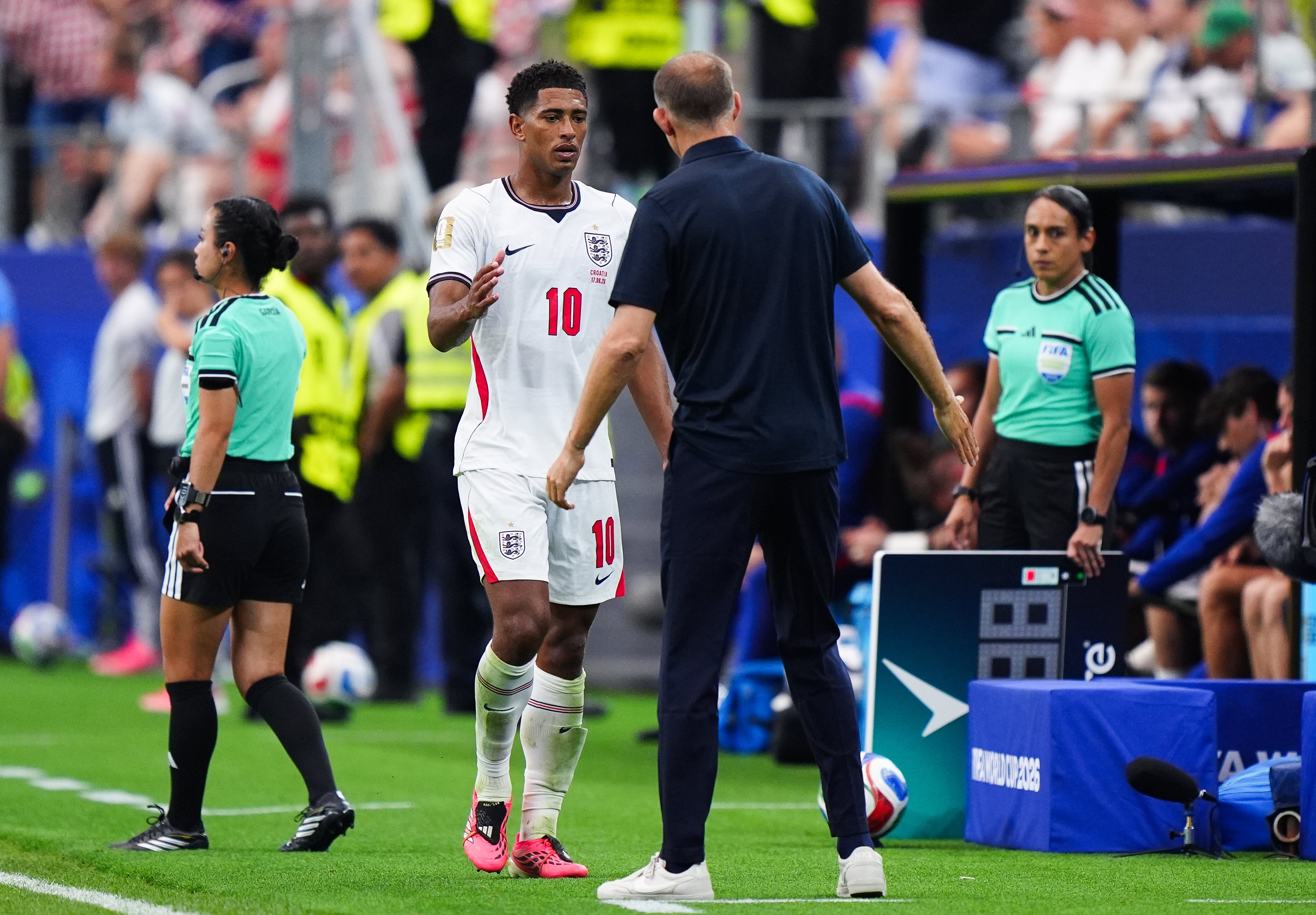
Tuchel said leaving out Rogers was a tough decision after his contributions in qualifying. But, he explained, “you can rely on Jude in these moments. He loves these pressure games, that brings out the best in him. So that’s an easy decision to let him play and to trust him. Also because of the last 16-17 days, how he bought into the idea of team spirit, into the idea of brotherhood.”
It was telling that when Declan Rice left the field with a minor injury in the second half, Bellingham dropped deeper beside Anderson. The relationship has at times been uneasy, but Tuchel showed his trust in Bellingham at a time when England were leading 3-2 and needed midfield stability.
Did Bellingham feel he had something to prove? “A little bit, yeah,” he smiled. “I think I’ve got a bit of a chip on my shoulder, haven’t I? And you play best when you’re like that. I think that helps me a lot to find that focus early in the game and to find that intensity.
“I know it’s part of being a footballer. I don’t hold a grudge against anyone who says bad things about me because sometimes I do deserve it. Today, I think it was nice to try and show people and remind them what I’m about.”