YouTube Streams to a Game Boy Color After a Microcontroller Takes Over the Cartridge Slot
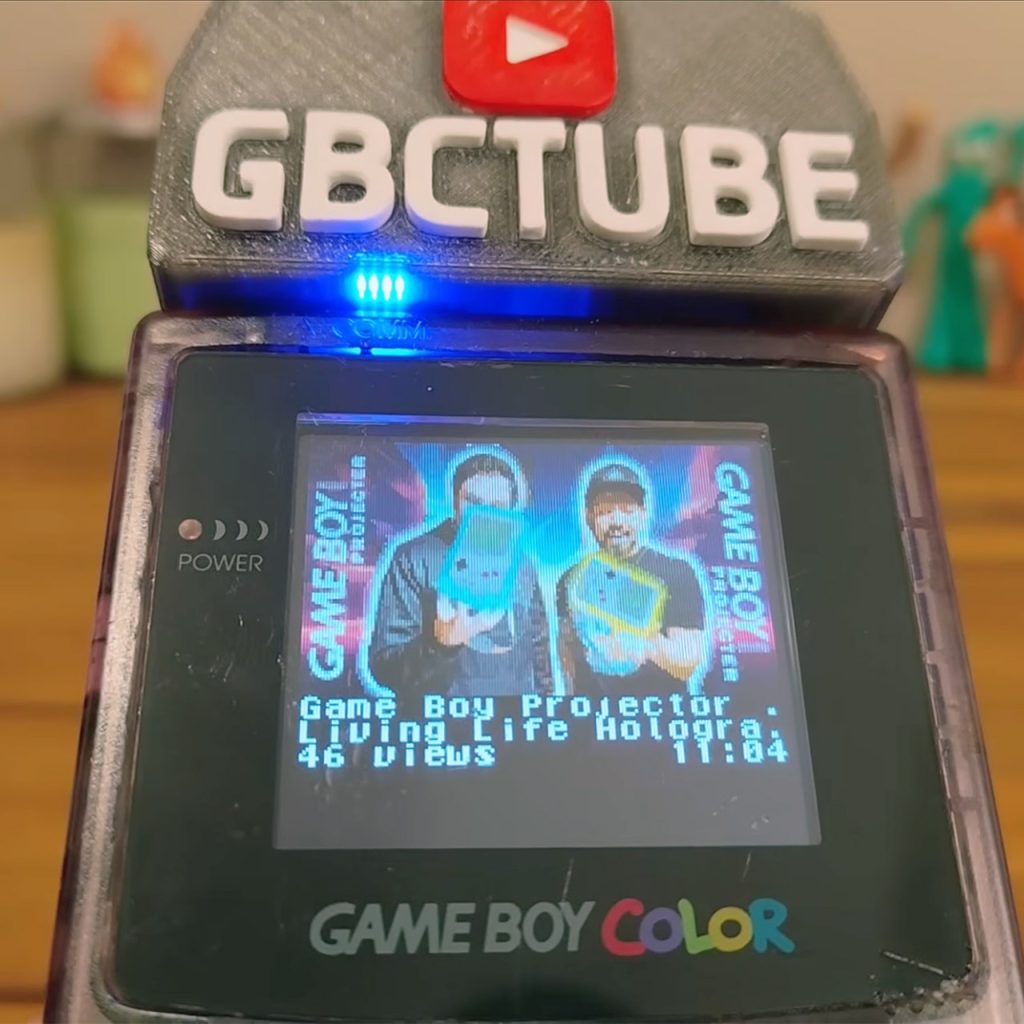
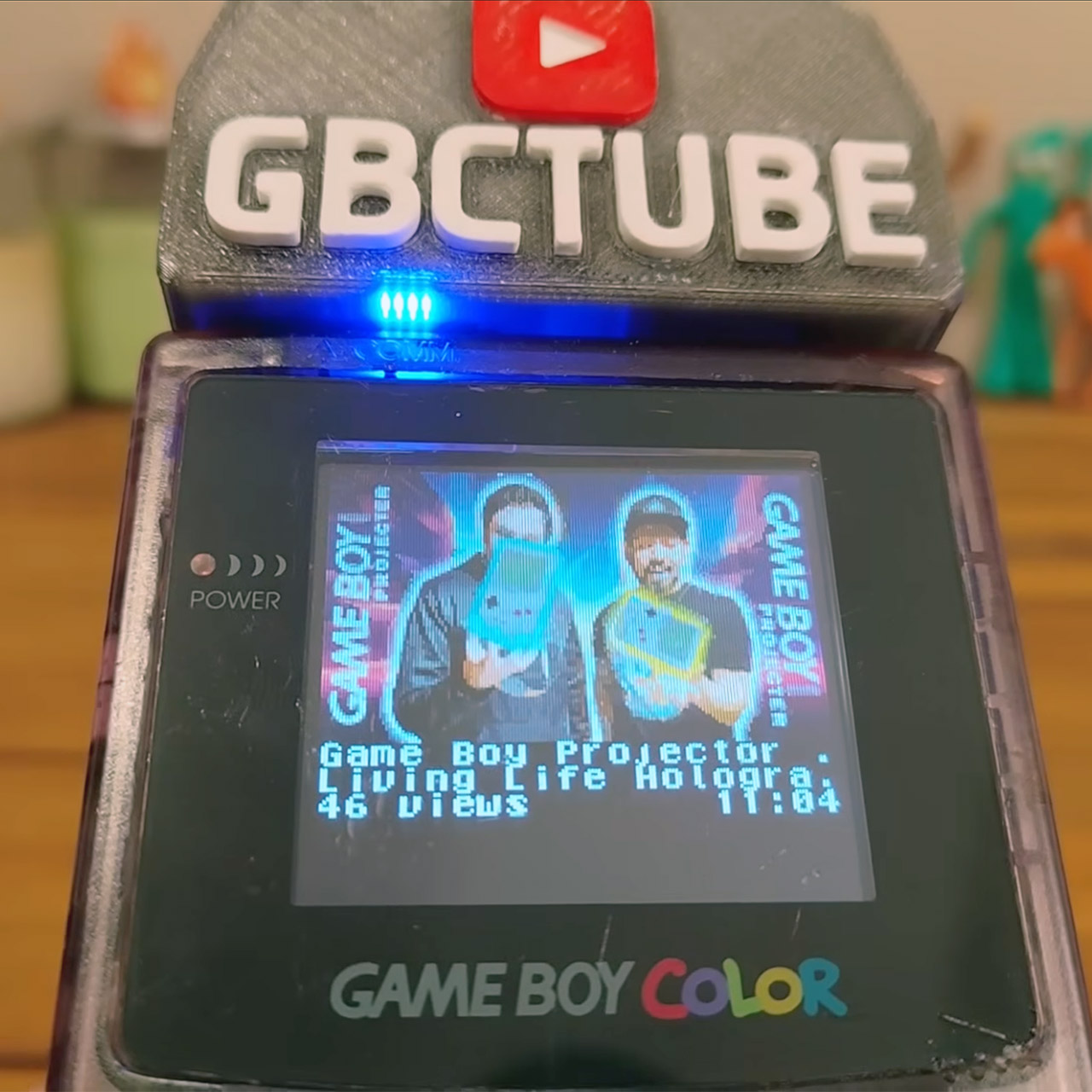
The idea of loading a comedy podcast onto the original 160 by 144 pixel screen of a Game Boy Color feels like a stretch even before any hardware enters the picture. The handheld dates back to 1998. It carries no wireless hardware, runs on an 8-bit processor, and originally shipped without a backlight. Still, Throaty Mumbo set out to make live YouTube playback happen on that exact platform and recorded the entire process.
Early tests began with a static image to get a feel for things, then he loaded a full-color Mario graphic onto an EverDrive cartridge to check if the Game Boy Color could handle images more advanced than those included. That tiny victory paved the stage for some movement. So the next step was to replace the screen, which involved removing the old non-backlit display and installing a brand new backlit LCD panel. Disassembling the item required some caution because those ribbon wires and plastic clamps don’t like to be messed with, but once the replacement panel was installed and the system turned up, the improvement was much improved visibility.
Sale
Google Pixel 10a – 30+ Hours Battery, Camera Coach, Gemini – Berry 128GB
- Google Pixel 10a is a durable, everyday phone with more[1]; snap brilliant photography on a simple, powerful camera, get 30+ hours out of a full…
- Unlocked Android phone gives you the flexibility to change carriers and choose your own data plan; it works with Google Fi, Verizon, T-Mobile, AT&T…
- Pixel 10a is sleek and durable, with a super smooth finish, scratch-resistant Corning Gorilla Glass 7i display, and IP68 water and dust protection[4]
With a reasonable view in front of him, the next step was to get some video up and running. He tested a couple homemade players, and it came out that one of them prioritized frame rate and produced smooth animation at the expense of some color depth. Another person attempted to jam more colors per scanline but suffered a slight decrease in frame rate, approximately five or six frames per second. Both of these DIY players employed specially encoded data sent through the cartridge slot, but getting the audio and video to sync perfectly proved challenging. These experiments verified, however, that the console could decode and display movies when the data arrived in the correct format and at the appropriate speed.
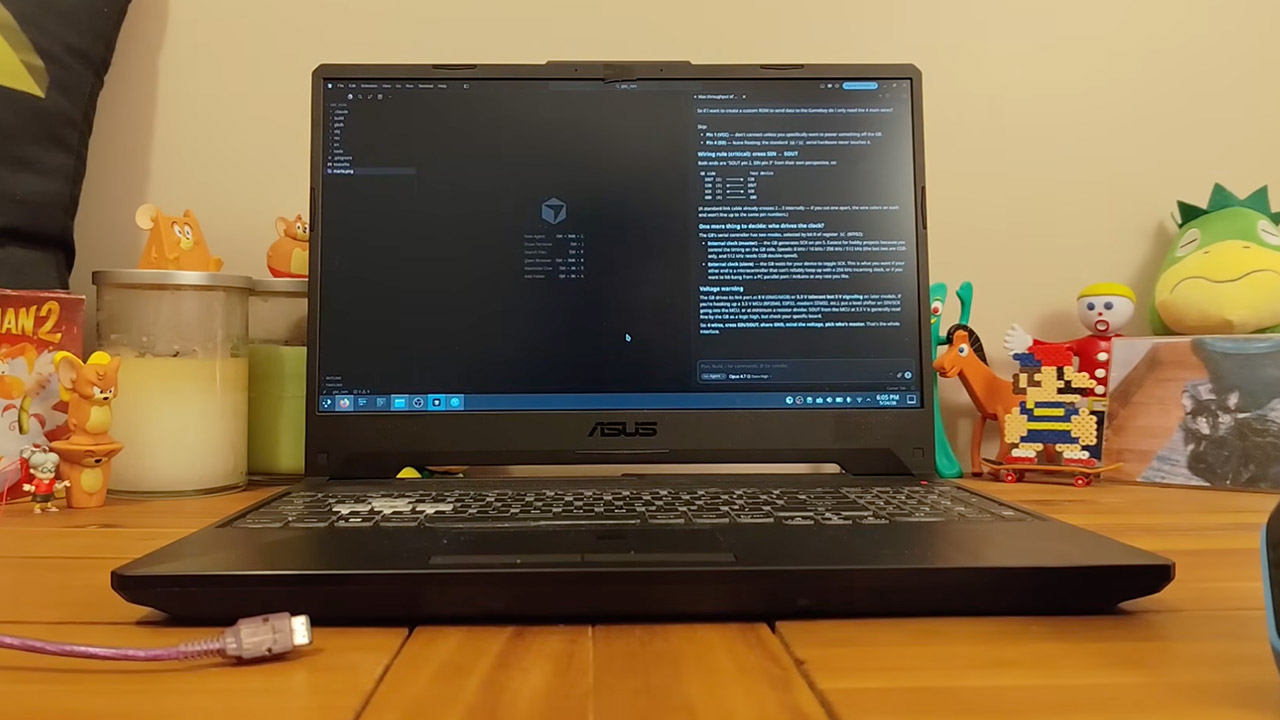
The next challenge would be getting new video data into the machine without needing to recreate complete segments in a cartridge from start. So, first, he tried routing everything through the Game Boy Color’s link cable connector. A PC transmitted frames to the handheld, which attempted to decode them in real time. What happened was that the link cable maxed out at 64 kbps, so throughput remained low, and the handheld’s processor struggled to keep up, resulting in graphics that sometimes took ages to show. Yes, the system worked for short demos, but it was far from capable of streaming video in real time.
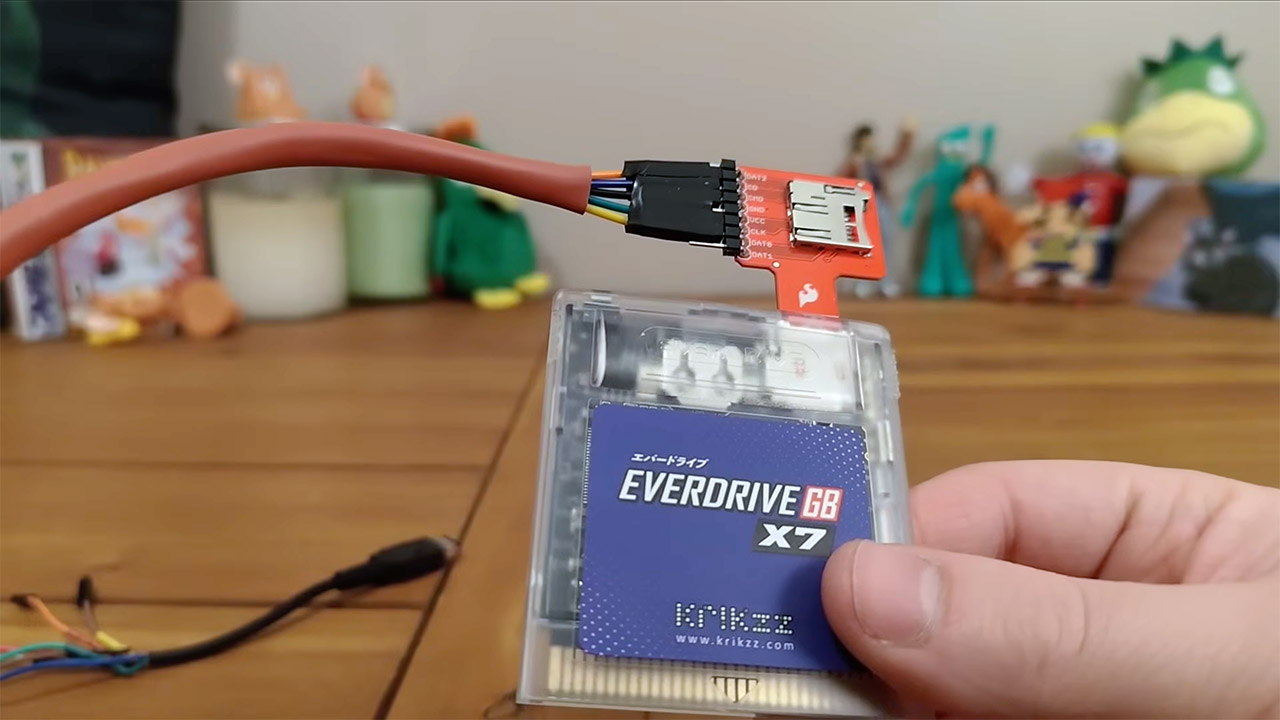
However, a shift to wireless transformed the game, as he created a modified cartridge based on the GB Interceptor design. Then he added a Raspberry Pi Pico 2 microcontroller based on the RP2350 chip, which is wired directly to the breakout and accurately handles the timing for the cartridge bus, allowing it to respond to all memory reads from the Game Boy Colour in perfect sync with its clock. Then he added an ESP12F Wi-Fi module as a bridge, allowing the handheld to receive data without requiring a physical cable to be attached.
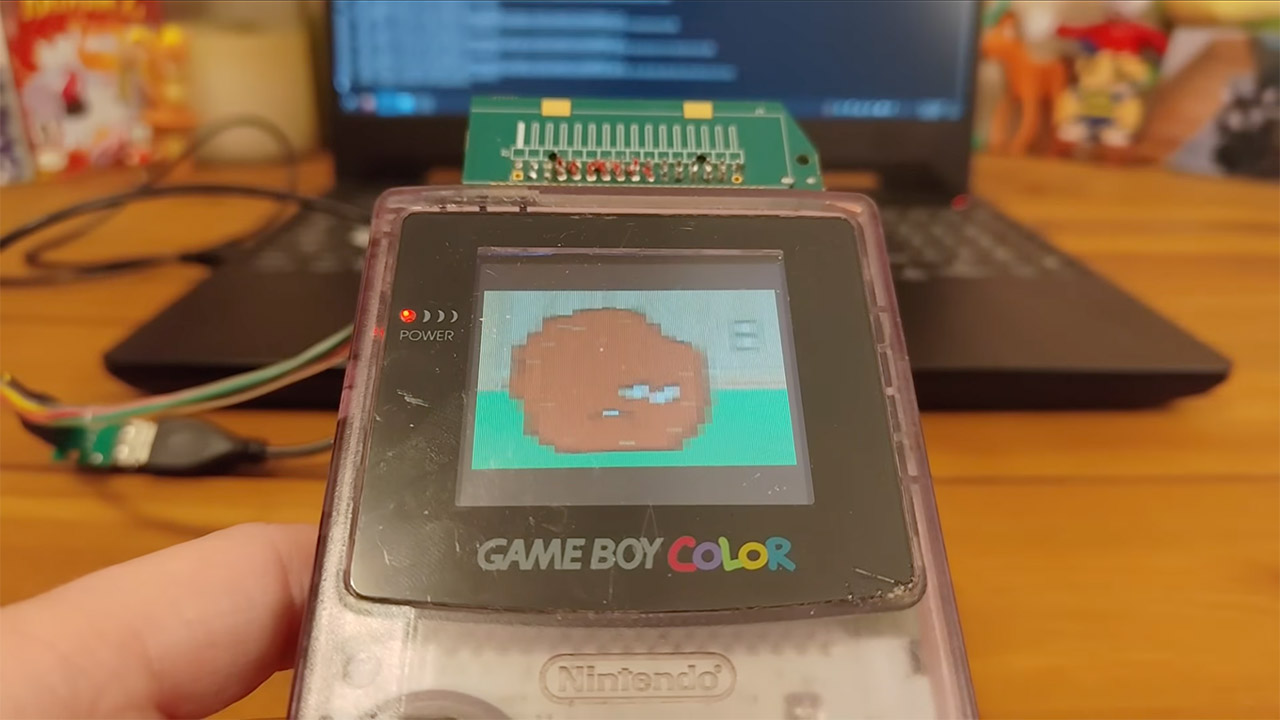
The entire pipeline works as follows: a nearby computer captures a copy of a YouTube stream using normal streaming tools, converts the video frames into a format that the Game Boy Color can read, and then sends the packed data via Wi-Fi. The ESP module then captures the stream and sends it to the RP2350 over an extremely fast SPI connection. From there, the microcontroller just sends the data to the Game Boy Color, as if a cartridge ROM were feeding it the pixels, much like a real game cartridge. Then there’s the GBC Tube software, which provides the user with an interface for searching for videos using an on-screen keyboard. Search results appear as low-resolution image thumbnails… and picking a title returns the video ID to the computer, which initiates the encoding and streaming process in the other way.
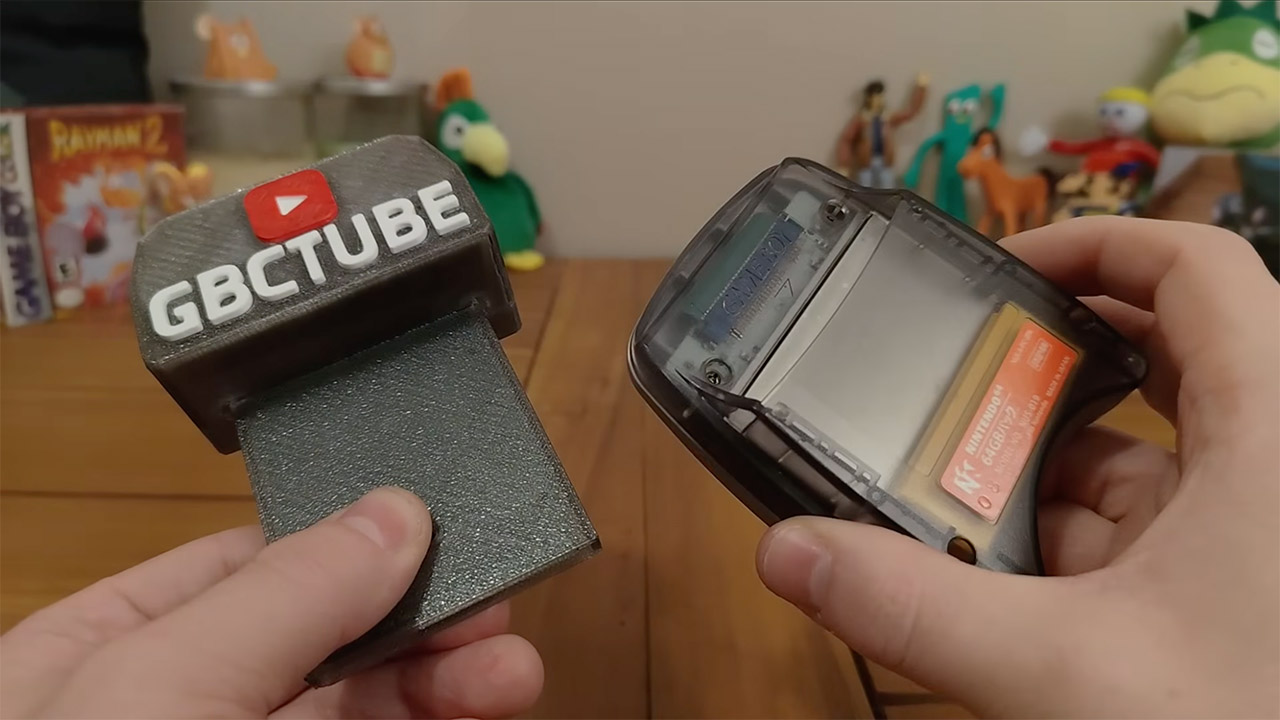
Audio takes a separate path, with the RP2350 spitting the sound from the incoming stream and sending it to a small I2S amp and speaker inside the shell. The video and audio are not precisely synced, however there may be some drift if you watch for an extended period of time. You still have two display options while watching: the high frame rate keeps the action moving smoothly, and the high color mode, which will produce richer colors but may sacrifice some smoothness in the process.
YouTube Streams to a Game Boy Color After a Microcontroller Takes Over the Cartridge Slot
#YouTube #Streams #Game #Boy #Color #Microcontroller #Takes #Cartridge #Slot