Bitluni Built a GPU From 8,192 Tiny Processors, and the Hardware Looks Like Something From a Sci-Fi Workshop
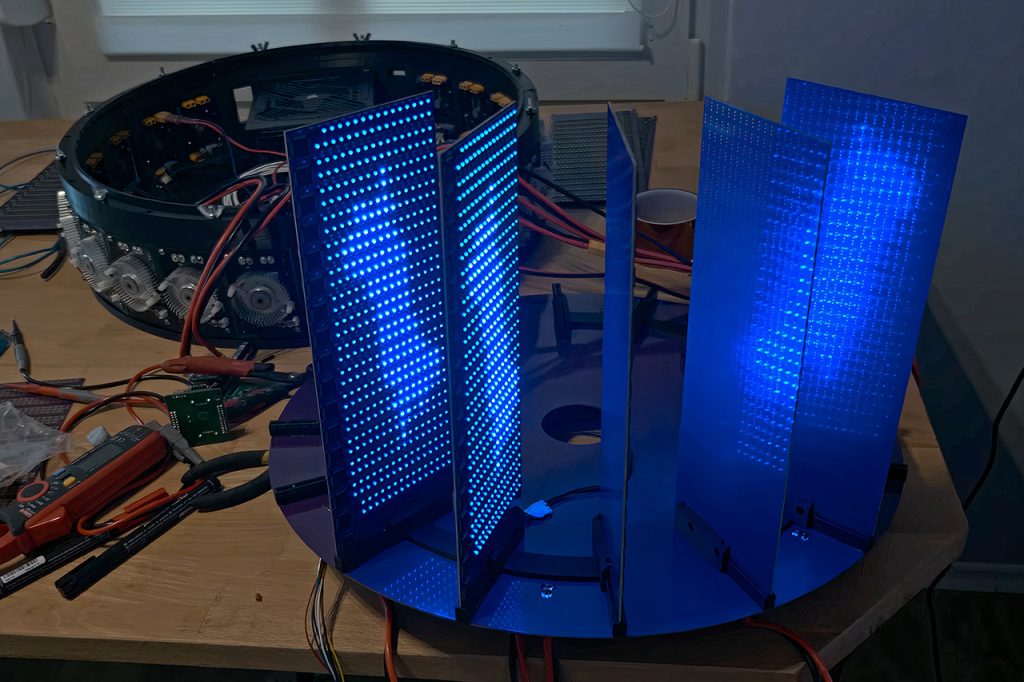
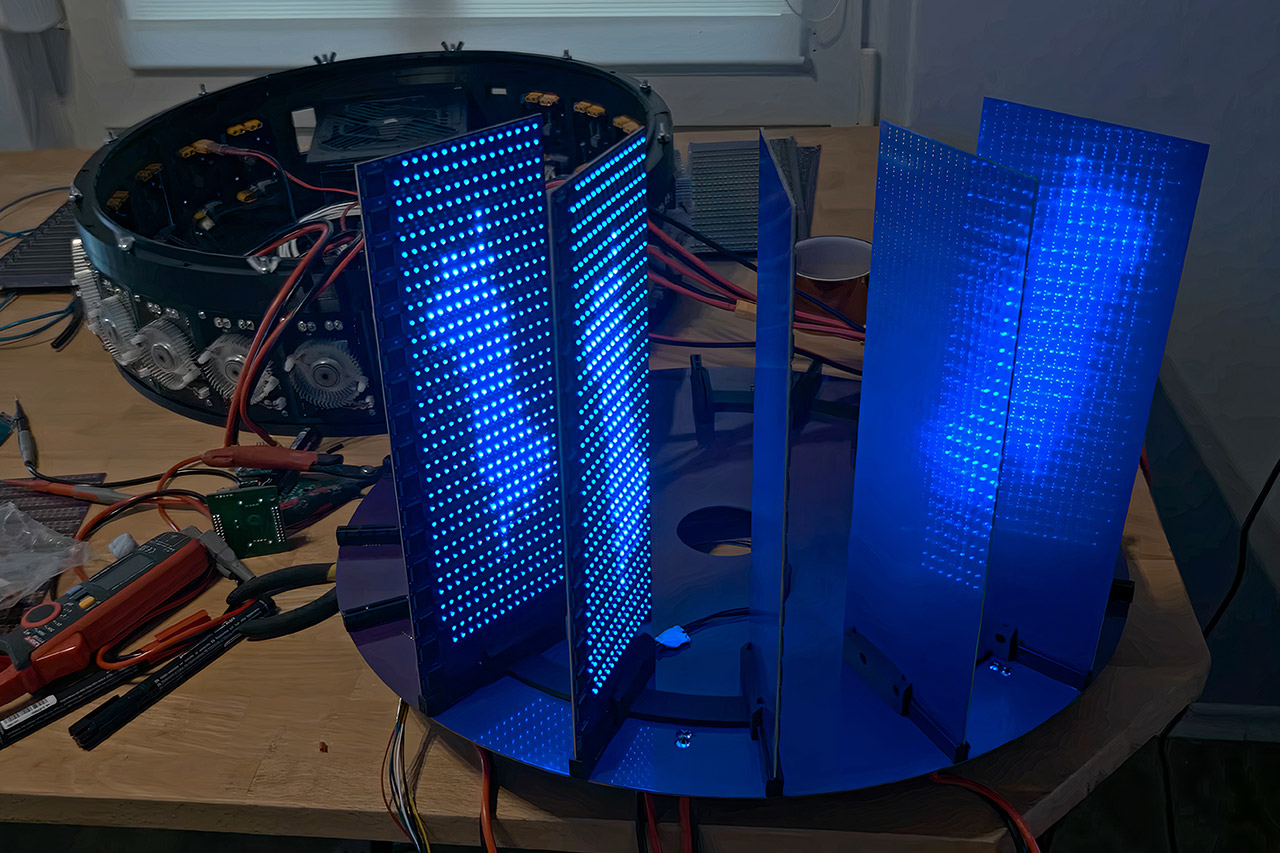
Bitluni has spent years pushing DIY electronics further than most people expect. His earlier clusters packed a few hundred small RISC-V chips onto compact boards and proved they could outperform a regular desktop processor on certain tasks while using almost no power. That success led him to ask what would happen if he kept scaling. The answer sits on his bench now: an ultra cluster built around 8,192 individual microcontrollers running at 100 MHz, managed by 256 larger controller chips.
The primary goal here wasn’t even to match a high-end graphics card for 4K gaming, as Bitluni preferred a much more minimalist approach. He reasoned that each cheap CPU was only required for one location on a display, allowing the individual chip to figure everything out on its own; merely connect them and you have a makeshift graphics system. It sounds strange, but in theory it is perfectly possible; simply take a lot of 13-cent chips and convert them into the foundation of a new graphics system. Bitluni chose the CH570 microcontroller because it fits the bill perfectly: it’s fast enough to perform the job, has 12 kilobytes of memory, and a hardware multiplier to boot, all for roughly 13 cents in bulk.
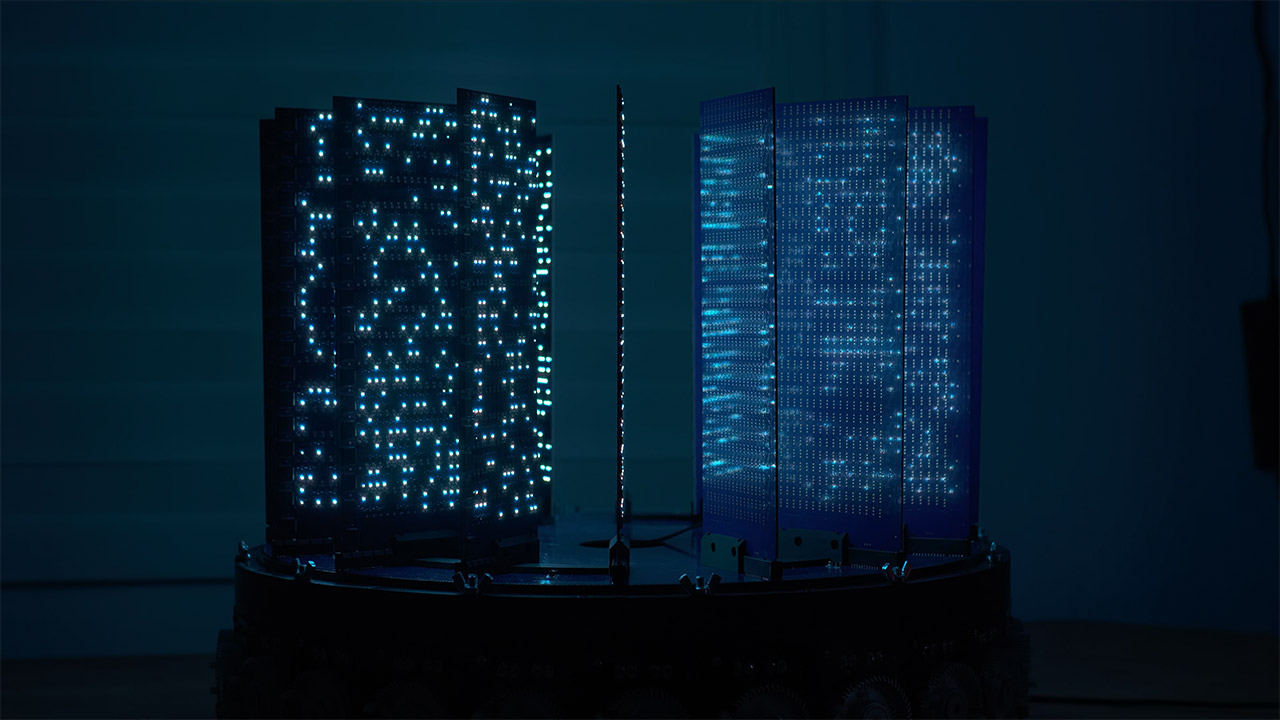
Building at this magnitude revealed some issues that are not typically encountered on smaller projects. One item that failed was using a shared clock signal, which became overwhelmed and stopped operating when there were thousands of chips on the board, so now each microcontroller has its own crystal oscillator. Packing all of those signals onto the board resulted in crosstalk, so they switched to six-layer boards with ground planes on the inner layers and staggered the traces so that signals from adjacent levels did not bleed over into each other. The physical shape, one large board, was simply too large to manufacture, so they divided it into modular blades. Each of these blades is simply a grid of CPUs and small RGB LEDs; simply slide them into the central circular backplane with edge connectors, and it resembles a modern art sculpture rather than normal computer hardware.
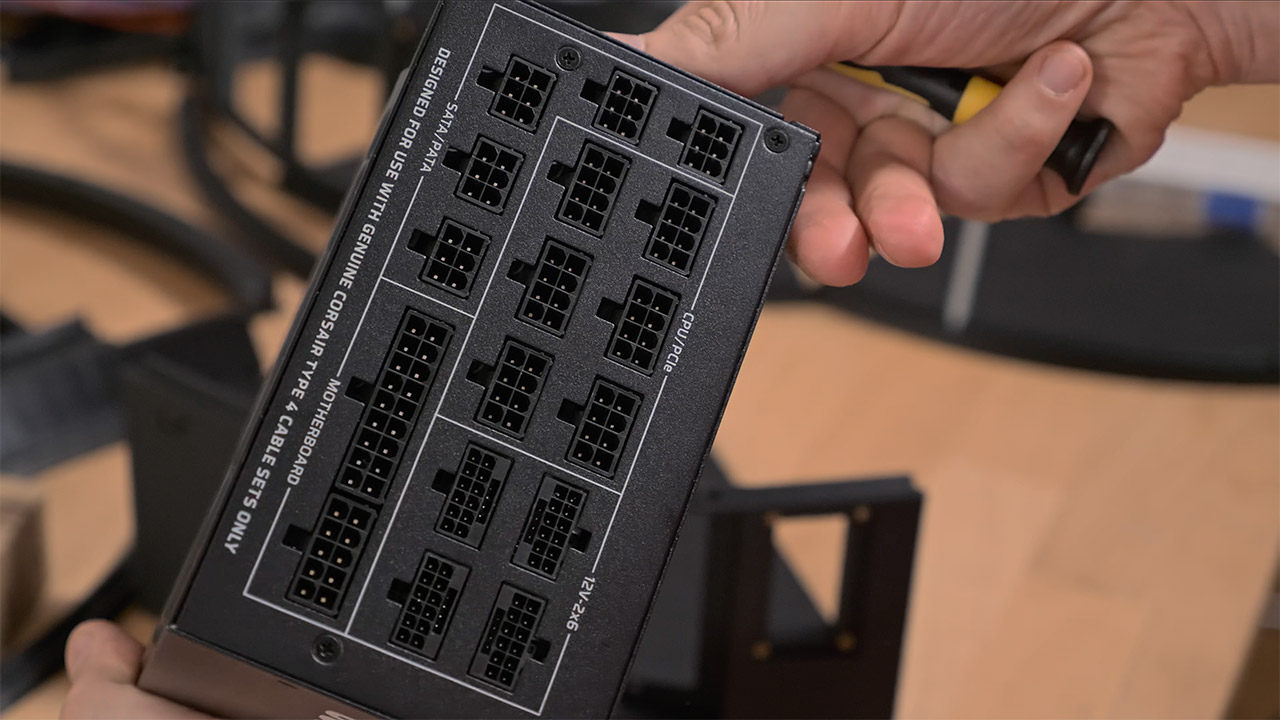
Getting power and keeping the thing cool turned into complete engineering projects on their own. With so many tiny chips running at 3.3v generating hundreds of amps, they need a 3kW power supply and efficient buck converters to keep everything going smoothly. The current version 1 still uses powerful fans rather than the immersion cooling tank that they had planned to employ. Programming the thing would have taken weeks if done by hand (which is insane, just think about it!), so they ended up modifying a 3D printer, installing some pogo pins on the gantry, and writing Python scripts that simply move the head across each board and flash the firmware through the exposed pads.
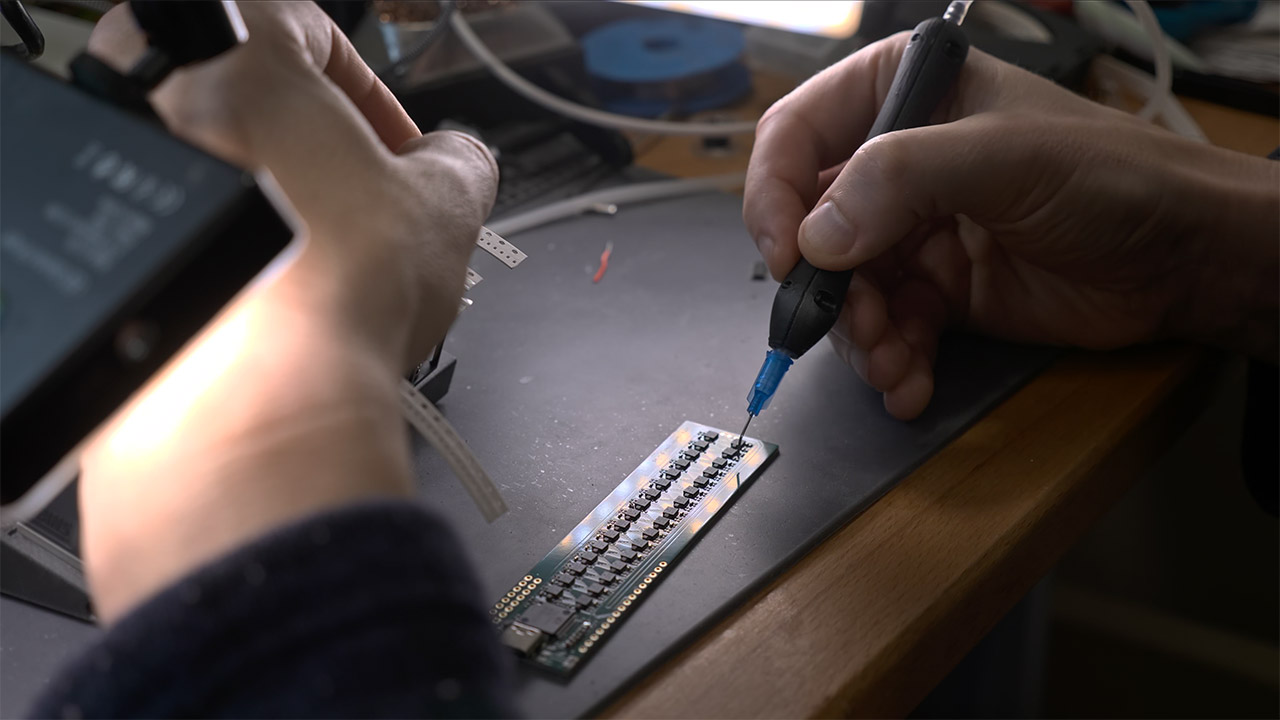
Right now, it’s running pretty well, as they have a decent light show going on with synchronized patterns spanning over a thousand processors, each driving its own 1mm x 1mm RGB LED, and it looks pretty cool when the blades light up in succession or in waves. They’ve even begun experimenting with distributed ray marching, which is the same method used in some of those fancy real-time rendering demos. Once they have a few more blades online, they will conduct some real testing.
The communication side of things is simply SPI buses, with each set of 32 worker chips sharing one bus, and the larger controllers handling the real coordination. The bandwidth is limited, so it will not be able to push high-resolution frames as quickly as a dedicated GPU – but that was never the goal of this project. It’s more about demonstrating how far you can push an idea when you have low-cost parts and open designs for others to follow along. Once the project moves on to the next step, the files and code will be made public.
[Source]
Bitluni Built a GPU From 8,192 Tiny Processors, and the Hardware Looks Like Something From a Sci-Fi Workshop
#Bitluni #Built #GPU #Tiny #Processors #Hardware #SciFi #Workshop